Blog
How Long Does Liposuction Last? Are the Results Permanent?
Author
Ray
Published
Category
Tips
How long does liposuction last, and are the results permanent? Learn what changes are lasting, what happens if you gain weight, and how to maintain your results long-term.


Author
Ray
An esteemed medical aesthetics expert with 40 years of profound experience in the field. With decades of expertise in non-invasive procedures, anti-aging science, and advanced dermatological solutions, the author is dedicated to sharing insights that connect clinical innovation with real-world patient results. Passionate about advancing safe, effective, and high-impact aesthetic treatments for a global clientele.
What’s better than insider perks, pro tips, and surprises?
Sign up to get the most recent blog articles in your email every week.
Join now.
Our company’s main product lines include HA (Hyaluronic Acid) fillers, CaHA (Calcium Hydroxylapatite) fillers, PLLA (Poly-L-Lactic Acid) biostimulators, and other advanced aesthetic solutions, all developed and manufactured by trusted partner facilities with whom we have maintained long-term, stable collaborations.
I help them with sales and export operations, while our company also provides sourcing and procurement services in China to help international clients solve supply-related challenges. If you need assistance with procurement, please feel free to contact us.
Introduction
How long does liposuction last? For most people, the answer is that the fat cells removed during liposuction are gone permanently, but the look of the result still depends on your weight, skin quality, and lifestyle over time. Liposuction is designed to reshape specific areas that do not respond well to diet and exercise, not to prevent future weight gain.
That distinction matters. Many people search this topic because they want to know whether liposuction is a one-time fix or a long-term body contouring solution. The most accurate answer is: the treated fat cells do not come back, but remaining fat cells can still enlarge if you gain weight. In other words, the procedure can be permanent, but the result is not maintenance-free.
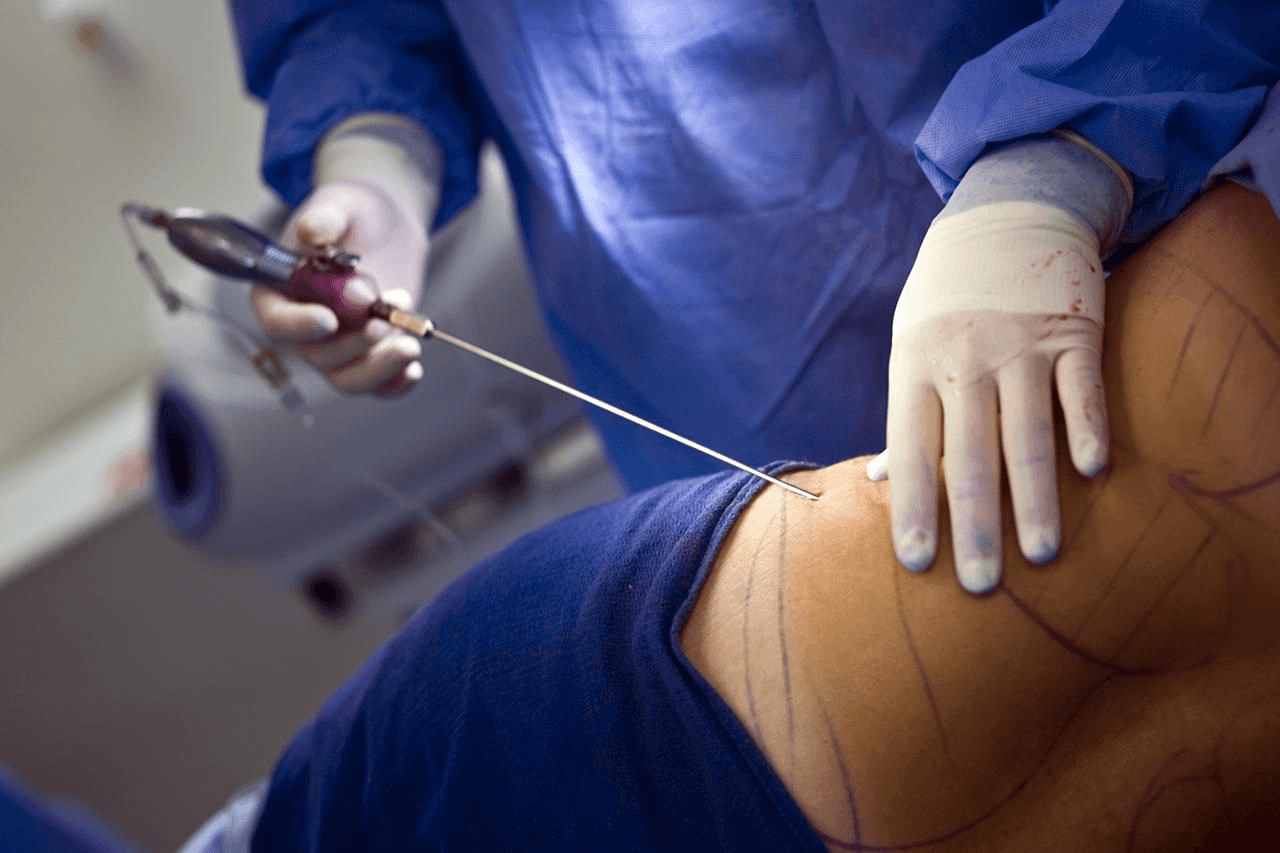
What Is Liposuction and How Does It Work?
Liposuction removes localized fat deposits
Liposuction is a cosmetic fat removal procedure that targets deposits of fat in areas such as the abdomen, waist, hips, thighs, arms, back, chest, chin, and neck. It is commonly used when fat is stubborn and does not respond well to diet and exercise.
It changes body shape, not overall body weight
One of the biggest misconceptions about liposuction is that it is a weight-loss solution. It is not. The procedure is intended to improve body contouring, not replace healthy habits or treat obesity. Mayo Clinic and Cleveland Clinic both emphasize that liposuction does not stop you from gaining weight later.
Skin tone affects the final look
After liposuction, the skin gradually molds to the new shape of the treated area. If your skin has good elasticity, the result usually looks smoother. If your skin is thin or less elastic, it may appear looser after fat removal.
How Long Does Liposuction Last?
The fat removal is lasting
The most important answer to “how long does liposuction last?” is that the removed fat cells are permanently gone. That is why liposuction is often described as a long-lasting body contouring procedure. ASPS, Mayo Clinic, Cleveland Clinic, and NHS all describe the results as permanent or generally long-lasting when weight is maintained.
The visible shape can still change
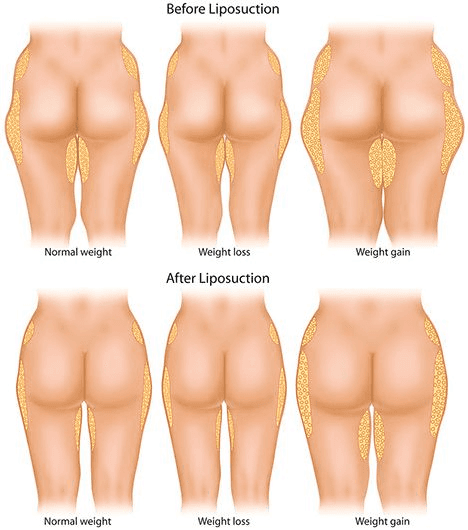
The result can still change over time if you gain weight, lose weight, age, or develop changes in skin elasticity. In treated areas, weight gain usually does not concentrate as much as before, because the number of fat cells has been reduced. However, the remaining fat cells elsewhere in the body can still expand.
Final results are not instant
Swelling and healing mean the body needs time to settle into its new shape. Cleveland Clinic notes that many people return to work within a few days and normal activities in about two weeks, while ASPS says final results are often visible between 1 and 3 months after the procedure.
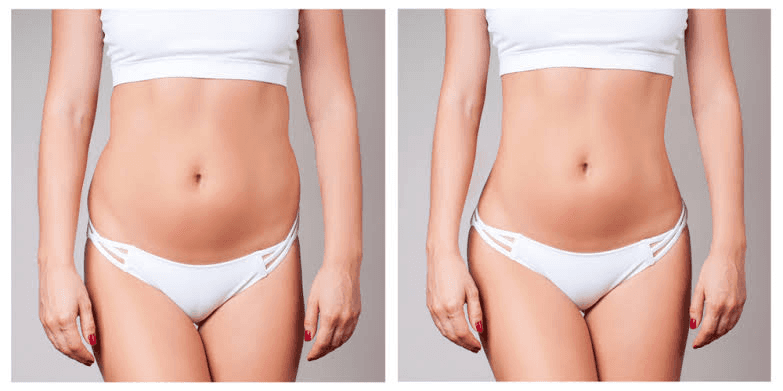
Are the Results Permanent?
Yes, the removed fat cells are permanent
If you are asking whether liposuction removes fat cells permanently, the answer is yes. The treated fat cells do not regenerate in the same way they were before. That is why the contour change in the treated area is usually durable.
No, permanent does not mean unchanged forever
Permanent does not mean immune to lifestyle changes. If you gain excess weight, the body can still store fat in untreated areas, and remaining fat cells in treated areas can enlarge. That is why experts consistently recommend a stable weight, healthy eating, and regular exercise to preserve the outcome.
The best way to think about it
A useful way to frame liposuction permanence is this:
the removed fat cells are permanent, but the final body shape still depends on long-term maintenance. That is the clearest and most realistic answer for patients researching long-term liposuction results.
What Can Change Liposuction Results Over Time?
1. Weight gain
This is the biggest factor. If you gain weight after liposuction, the fat may return in other places more than in the treated area, but the body can still become larger overall. ASPS and Cleveland Clinic both stress that liposuction does not prevent future weight gain.
2. Skin elasticity
If your skin is firm and elastic, it is more likely to adapt smoothly to the new shape. If elasticity is poor, looseness or contour irregularity may become more visible after surgery. Mayo Clinic notes that skin may look loose when elasticity is limited.
3. Age and natural body changes
As you age, skin and soft tissue change naturally. Even with stable weight, your body contour may look different years later because of aging-related changes in tissue quality. ASPS also notes that some people may need skin-tightening procedures depending on age and the amount of fat removed.
4. Surgical technique and treated area
The treated area, volume removed, and the surgeon’s technique all influence the final result. Mayo Clinic warns that contour irregularities can happen when fat removal is uneven or when skin does not retract well.
Liposuction Recovery and Results Timeline
First few days
Many patients go home the same day because liposuction is commonly performed in an outpatient setting. Cleveland Clinic says most people can return to work within a few days, depending on the amount of fat removed and the area treated.
First few weeks
Normal activities often resume in about two weeks, but exercise is usually reintroduced gradually. ASPS recommends walking soon after surgery and low-intensity workouts after a few weeks, building up over time.
One to three months
This is the window when many people see the clearest version of their result. ASPS states that final results may appear between 1 and 3 months after surgery, once swelling settles and the tissues adapt.
What to expect long term
Long-term body shaping is possible, but only when the patient maintains a healthy weight and stable lifestyle. NHS says results are generally long-lasting if you maintain a healthy weight, and Mayo Clinic says the shape changes are usually permanent as long as your weight remains the same.
How to Maintain Liposuction Results Long-Term
Step 1: Keep your weight stable
The most important factor is avoiding large weight fluctuations. Stable weight helps preserve the contour created by surgery and reduces the chance of fat expansion in other areas.
Step 2: Follow a realistic diet
A sustainable diet matters more than a short-term “post-surgery diet.” Focus on portion control, adequate protein, vegetables, hydration, and calorie balance. Cleveland Clinic and ASPS both emphasize that a proper diet is part of maintaining the result.
Step 3: Build a regular exercise routine
Exercise supports long-term weight maintenance and helps your new body shape remain visible. ASPS specifically recommends a regular exercise routine as part of keeping liposuction results.
Step 4: Follow post-operative care instructions
Compression garments, activity limits, follow-up visits, and wound care all matter in the early recovery period. Proper healing lowers the chance of contour problems and helps the skin settle more evenly. Mayo Clinic notes that contour irregularities and fluid buildup are potential risks, especially when healing is not ideal.
Step 5: Treat liposuction as contouring, not permission to ignore habits
Liposuction works best as a support tool for body contouring, not a substitute for long-term health habits. That mindset leads to more realistic expectations and better satisfaction with the result.
Liposuction vs Other Body Contouring Options
Option | Main Purpose | How Long Results Last | Best For | Notes |
|---|---|---|---|---|
Liposuction | Removes localized fat deposits | Long-lasting / permanent for removed fat cells | Stubborn fat with good skin elasticity | Does not remove stretch marks or cellulite; weight gain can still happen |
Tummy tuck (abdominoplasty) | Removes excess skin and tightens abdominal muscles | Long-lasting | Loose skin after pregnancy or major weight loss | Often chosen when skin laxity is the main issue |
Non-surgical body contouring | Reduces fat with cold, heat, lasers, or similar methods | Variable | People avoiding surgery | Usually less invasive, but results may be less dramatic than surgery |
Common Mistakes That Shorten Results
Assuming liposuction is a weight-loss shortcut.
Gaining weight after surgery and expecting the contour to stay identical.
Ignoring skin elasticity and choosing the wrong procedure for loose skin.
Returning to exercise too aggressively before healing is complete.
Not following surgeon instructions for garments, activity, and follow-up care.
Conclusion
So, how long does liposuction last? In practical terms, the fat cells removed during liposuction are permanent, and the body-shaping result can last for years. But the final outcome still depends on weight management, skin elasticity, and good post-operative habits. Mayo Clinic, Cleveland Clinic, NHS, and ASPS all agree on the core point: liposuction can create lasting contour changes, but it is not a substitute for long-term healthy living.
CTA Closing
At AOWITA, we believe the best cosmetic content should answer the real question behind the search: not just what the procedure does, but what you can realistically expect afterward.
Frequently Asked Questions
How long do liposuction results last?
Liposuction results are generally long-lasting, and the removed fat cells are considered permanent. The result lasts best when your body weight stays stable.
Can fat come back after liposuction?
The removed fat cells do not come back, but remaining fat cells can grow if you gain weight. That is why maintaining a healthy lifestyle matters after surgery.
Does liposuction remove fat cells permanently?
Yes. Cleveland Clinic and Mayo Clinic both state that liposuction permanently removes fat cells from the treated area.
What happens if I gain weight after liposuction?
If you gain weight after liposuction, the body can still store fat. The treated area usually does not regain fat in the same way, but other areas may become fuller.
How long does it take to see final liposuction results?
Many people see the clearest result in about 1 to 3 months, after swelling decreases and tissues settle.
Is liposuction permanent if I gain weight?
The procedure itself is permanent in the sense that the removed fat cells are gone, but weight gain can still change your shape later. Permanent removal is not the same as permanent protection against new fat storage.
Does belly fat return after liposuction?
Belly fat can increase again if you gain weight, because liposuction does not prevent fat accumulation in the future. It is most effective when paired with stable weight and healthy habits.
What is the best way to maintain liposuction results?
The best strategy is simple: maintain a stable weight, eat well, exercise regularly, and follow your surgeon’s recovery plan.
Other Blogs


