博客
What Is “Liposculpture” (Body Contouring)? How Is It Different from Liposuction?
作者
Ray
已发布
类别
Guide
Learn what liposculpture means, how it differs from liposuction, and what results to expect for body contouring—not just weight loss.

作者
Ray
一位享有盛誉的医学美学专家,在该领域拥有40年的深厚经验。凭借在非侵入性手术、抗衰老科学以及先进皮肤病学解决方案方面的数十年专业知识,作者致力于分享将临床创新与真实患者成果相结合的见解。热衷于为全球客户推进安全、有效且高影响力的美学治疗。
还有什么比内部优惠、专业建议和惊喜更好的呢?
注册可每周在您的电子邮件中接收最新的博客文章。
立即加入。
Our company’s main product lines include HA (Hyaluronic Acid) fillers, CaHA (Calcium Hydroxylapatite) fillers, PLLA (Poly-L-Lactic Acid) biostimulators, and other advanced aesthetic solutions, all developed and manufactured by trusted partner facilities with whom we have maintained long-term, stable collaborations.
I help them with sales and export operations, while our company also provides sourcing and procurement services in China to help international clients solve supply-related challenges. If you need assistance with procurement, please feel free to contact us.
The Clear Difference in One Paragraph
Liposuction is a surgical method used to remove fat from targeted areas of the body. Liposculpture describes a goal of shaping those areas so they look more contoured and proportionate—often focusing on how fat is distributed and how contours transition from one area to another. Practically, liposculpture typically uses standard liposuction tools/approaches, but it places extra emphasis on designing the final shape: what “good” looks like for your anatomy, where to refine, and how to avoid harsh edges or irregularities. If you want definition and smoother blending (rather than only a smaller-looking volume), you’ll usually be looking for what surgeons mean by liposculpture.
What Liposuction Really Is
A definition you can use
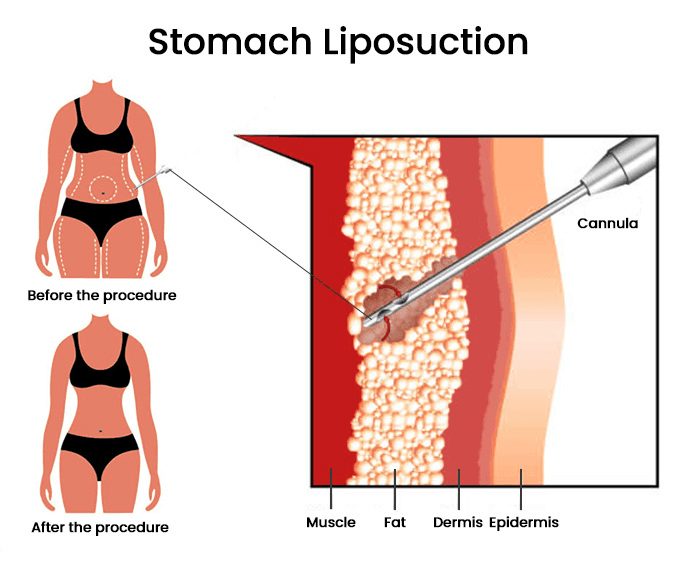
Liposuction is a cosmetic surgical procedure that removes fat deposits through small access points. The surgeon then uses specific techniques to contour the area. People often search for liposuction when their priority is reducing localized fat that doesn’t respond well to diet and exercise.
From a lay perspective, think of it like this:
Goal: reduce unwanted fat in certain locations
Means: targeted removal of fat through a surgical technique
Outcome: a change in body volume and shape
Whether your results look dramatic or subtle—and whether they look smooth and natural—depends on details: technique, how the surgeon shapes, and your body’s healing characteristics.
What “Liposculpture” Really Means
Body contouring is the goal
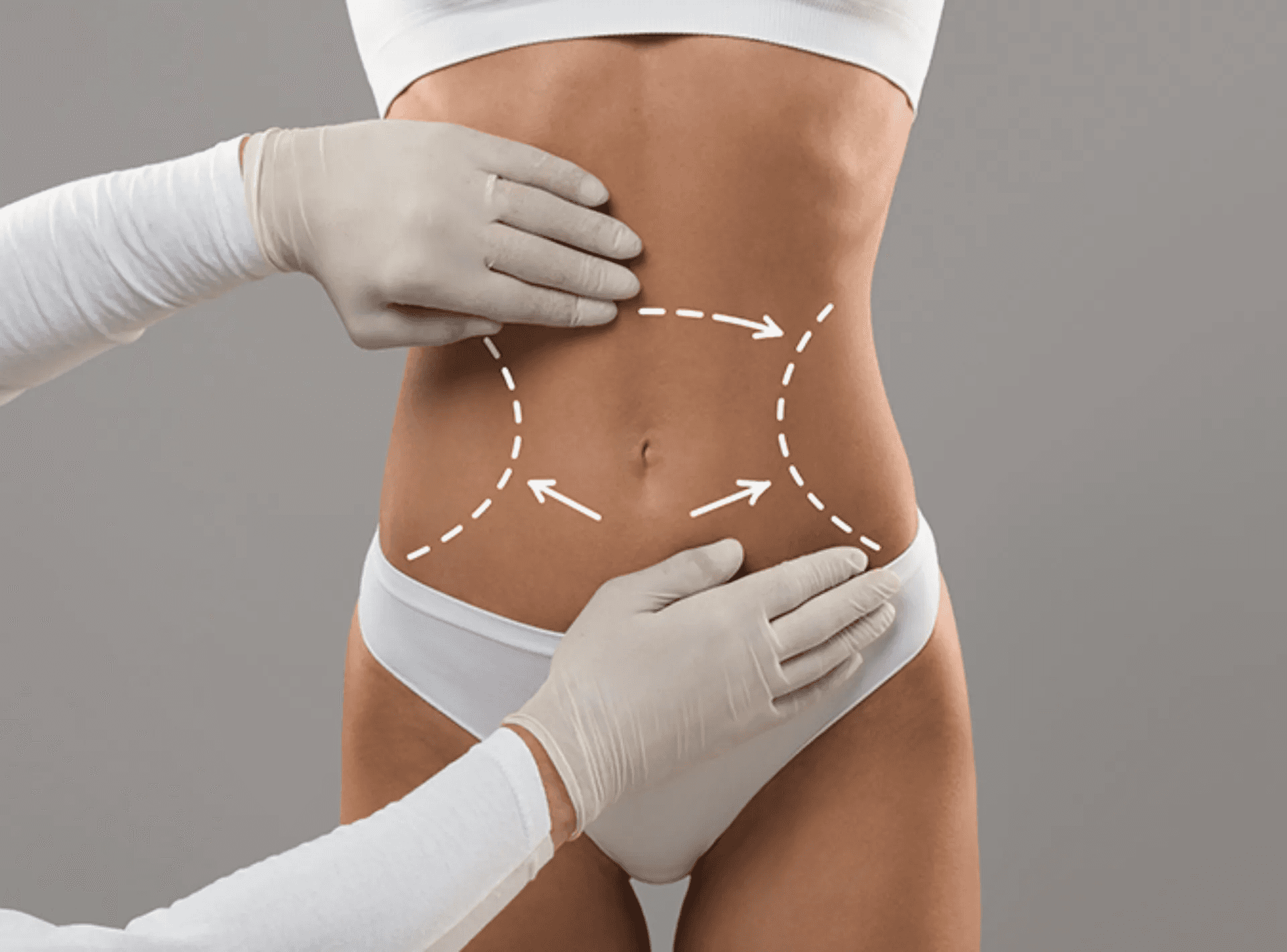
“Liposculpture” is commonly used to describe body contouring through liposuction—but it’s not necessarily a separate medical category in the way, say, “appendectomy” is a distinct surgery. In many settings, liposculpture is an umbrella term for a sculpting-oriented approach: shaping contours to improve aesthetics.
So when someone says they offer liposculpture, they usually mean:
They don’t just aim to “take fat out.”
They aim to create a designed contour—for example, refining waistline shape, defining hips/curves, smoothing edges, or enhancing transitions between regions.
Planning matters as much as technique
Sculpting is heavily influenced by planning:
Proportions: how one area relates to others
Symmetry: right vs left blending
Transition zones: the “edges” where contours start and stop
Safety boundaries: keeping the result natural and consistent with healing capacity
Two people can have the same “procedure type” on paper, but one result looks more sculpted and harmonious because the surgeon treats the job as design, not only reduction.
Liposculpture vs Liposuction—What’s Different (and What Isn’t)
Similarities
Both terms generally describe fat-removal procedures. That means they share common elements:
the same broad concept: removing fat from specific areas
the need for surgical assessment
a focus on target selection (where fat is stored and how it affects your look)
Differences that affect outcomes
What changes with liposculpture is usually the orientation toward aesthetics:
Contour design vs simple volume reduction
Liposuction can be performed with different goals, including modest reshaping.
Liposculpture emphasizes contour design—how the area looks from multiple angles and in relation to body shape.
Where and how much fat is removed
Even small differences in “where” can dramatically change the look. Sculpting often aims for gradients and smooth transitions rather than only flattening.Approach to natural blending
“Natural” results often mean the contour transitions smoothly without abrupt shapes, dents, or obvious unevenness.Communication and expectation-setting
Sculpting-oriented practices tend to discuss aesthetics more explicitly: what you want to improve, what you’re willing to accept, and how subtle vs dramatic the change may be.
Featured-snippet comparison block (clear and quote-friendly)
Liposculpture vs liposuction (quick difference):
Liposuction: fat removal procedure.
Liposculpture: a contouring goal—fat removal planned and executed to enhance body shape and proportions.
Both involve fat removal; the key difference is the aesthetic design focus and how the surgeon targets/creates the final contour.
Is Liposculpture for Weight Loss or Body Shaping?
How to think about “fat loss” vs “contouring”
Most people who search this topic are trying to understand whether liposculpture is meant to reduce overall body weight or to reshape specific areas. A helpful way to frame it:
Weight loss usually means reducing body fat across the whole body over time.
Liposculpture is typically about refining localized fat deposits—the “problem spots” that remain after lifestyle efforts.
Even when a person loses weight and fat changes, targeted sculpting aims to improve the look of specific contours. The key is that liposculpture is often better described as body contouring than as a weight-loss strategy.
Practical takeaway: If your main goal is “a healthier weight,” that’s best handled with lifestyle and medical guidance. If your goal is “a better-defined waist/hips/arms,” liposculpture may be discussed as a targeted approach—subject to clinical suitability.
Why Some People Look More Natural After “Sculpting”
You’ve probably seen two kinds of outcomes online: results that look smooth and proportionate, and others that appear uneven or unnatural. While every case is different, “natural-looking” often comes down to a few predictable factors.
Key factors that influence aesthetics
Skin quality and elasticity
Skin responds differently after fat removal. Better elasticity can help a contour look smoother over time.Anatomy of the treatment area
Some regions naturally allow more forgiving contour transitions, while others require extra finesse to avoid irregularities.How the surgeon shapes the “surface”
Sculpting is as much about how the surgeon defines layers and transitions as it is about fat removal itself. The goal is to avoid harsh lines or patchy results.How much fat is removed in one area
Too aggressive a reduction can raise the risk of contour irregularities. A conservative or well-planned approach can yield smoother gradients.Healing variation
Swelling, tissue response, and time to finalize results differ across individuals.Post-procedure care and realistic expectations
Wearing compression as advised and following your surgeon’s aftercare plan can influence comfort and the quality of the healing period—though “perfect results” can’t be guaranteed.
Editorial perspective: If a clinic only shows dramatic before-and-after images without discussing nuance, you’re missing context. Natural results depend on fit between your anatomy, your goals, and the surgeon’s sculpting approach.
How Surgeons Decide Whether You Need Sculpting
A good consultation is where the “liposculpture” promise should either be validated or corrected. Many clinics will say they offer liposculpture; the real question is whether it’s appropriate for your proportions and tissue characteristics.
A practical evaluation checklist
During a quality evaluation, you should expect discussion of:
Your aesthetic goals: what shape you want and how you want it to look in proportion
Your anatomy and fat distribution: where fat is stored and how the area transitions to surrounding regions
Skin quality: elasticity and how the skin may respond over the healing timeline
Body weight stability: whether your weight is trending stable or frequently changing
Medical history and suitability: any factors that affect surgical safety and healing
Realistic outcome range: what improvement is likely vs what would require alternative approaches
If you don’t get this conversation, “liposculpture” may be just a branding term rather than a planning process.
Questions to Ask at Your Consultation
If you want liposculpture-style results (contour refinement), ask questions that test for planning depth—not just procedure names.
Surgeon approach
“How do you design the contour for my specific body proportions?”
Look for an explanation tied to your anatomy, not generic language.“What changes are you aiming for—definition, smoothing, or volume reduction?”
You want clarity about the goal.“How do you decide where to remove fat for a more natural transition?”
A sculpting-focused surgeon should have a method for this.
Technique and safety
“Which technique will you use for my case, and why?”
You don’t need the exact technical jargon, but you should understand the rationale.“What are the most common risks for this area, and how do you minimize them?”
Quality clinics discuss risks without fear-mongering.“How do you handle irregularities if healing doesn’t go as planned?”
Good answers include follow-up care and realistic pathways.
Results and realism
“What do results usually look like at different stages of healing?”
Timing matters; early swelling can mislead expectations.“How will we measure success for my goals?”
You might hear about photos, measurements, and functional comfort—something beyond “you’ll look great.”
Tip: Bring your reference photos and be specific about what you like (e.g., “I like the smooth waist transition” rather than “I want this exact body”).
Recovery and Expectations (General Guidance)
Recovery varies by technique, area, and individual healing. That said, most people can expect:
swelling and bruising during the early phase
gradual improvement over weeks
final contour assessment closer to later stages of healing
Rather than locking onto a single date, think in phases:
Early: focus on rest, comfort, and following aftercare instructions
Middle: swelling decreases, you may see new contour definition
Later: final smoothing and “settling” of tissues occurs
Practical takeaway: If a clinic makes recovery sound instant or effortless, that’s a red flag. Realistic guidance supports better decision-making and reduces disappointment.
When Liposculpture May Not Be the Best Choice
Liposculpture isn’t a universal answer. It may not be the best plan when:
your goals require skin tightening beyond what contouring can address
your weight is unstable and likely to change significantly soon
your expectations are disconnected from how your anatomy can realistically heal
another approach may better target your concern (for example, non-surgical skin treatments in some cases—subject to professional evaluation)
A reputable surgeon should be able to say, respectfully, “this isn’t the right fit” if that’s the truth.
Conclusion
Liposculpture vs liposuction isn’t about whether fat removal happens—it’s about what happens after fat removal in terms of design. Liposuction is the procedure. Liposculpture is the contouring intent: shaping body proportions with attention to transitions, blending, and how the final result looks in real life, from different angles. The strongest way to get the outcome you want is to choose a provider who can explain their approach to contour design, align expectations to your anatomy, and discuss risks and healing clearly.
FAQ
1) Is liposculpture just another word for liposuction?
Often, no—not in terms of goal. Liposculpture typically refers to body contouring using fat removal, where the procedure is planned to create a shaped, natural-looking contour. But because terminology can vary by provider, ask how they define the difference in practice.
2) Does liposculpture mean you’ll look more “natural” after surgery?
It can—but not automatically. Natural results depend on factors like skin quality, anatomy, how much and where fat is removed, and healing. Ask your surgeon what “natural” means in your specific case.
3) Is liposculpture for weight loss?
Usually, it’s not positioned as a weight-loss strategy. It’s more commonly discussed as targeted body shaping—reducing localized fat deposits to improve contours.
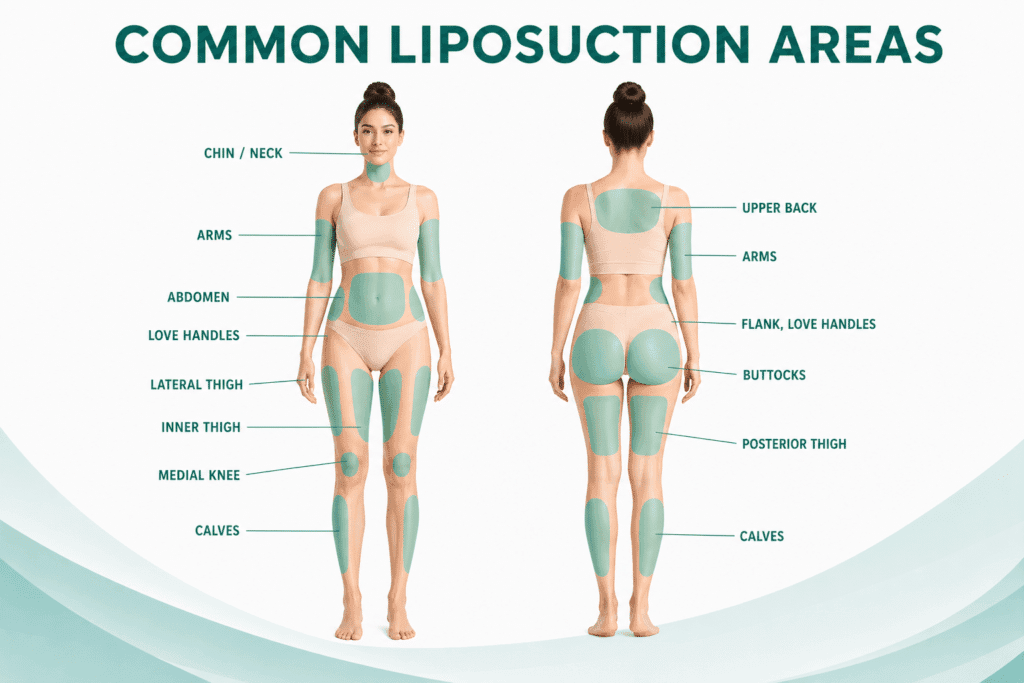
4) What areas are commonly treated with liposculpture?
Many clinics use contouring language for areas like abdomen/waist, hips, thighs, arms, and chin/jaw contouring (depending on the provider’s practice and safety considerations). Ask what areas they specialize in and why.
5) How do I know if I’m a good candidate for liposculpture?
You’re a good candidate when your goals match your anatomy and you have realistic expectations. A quality consult should evaluate fat distribution, skin quality, overall health, and whether contouring is the right tool for your specific concerns.
6) What’s the most important question to ask before booking?
Ask: “How do you plan and execute contouring for my proportions, not just fat removal?” This reveals whether the provider truly practices “sculpting” as a goal-focused approach.
其他博客