博客
Butt Filler Guide 2026: Types, Cost, Results, Risks & Recovery
作者
Ray
已发布
类别
Guide
Learn how butt filler works, what it costs, expected results, recovery, risks, and how it compares with BBL, fat transfer, and butt implants.

作者
Ray
一位享有盛誉的医学美学专家,在该领域拥有40年的深厚经验。凭借在非侵入性手术、抗衰老科学以及先进皮肤病学解决方案方面的数十年专业知识,作者致力于分享将临床创新与真实患者成果相结合的见解。热衷于为全球客户推进安全、有效且高影响力的美学治疗。
还有什么比内部优惠、专业建议和惊喜更好的呢?
注册可每周在您的电子邮件中接收最新的博客文章。
立即加入。
Our company’s main product lines include HA (Hyaluronic Acid) fillers, CaHA (Calcium Hydroxylapatite) fillers, PLLA (Poly-L-Lactic Acid) biostimulators, and other advanced aesthetic solutions, all developed and manufactured by trusted partner facilities with whom we have maintained long-term, stable collaborations.
I help them with sales and export operations, while our company also provides sourcing and procurement services in China to help international clients solve supply-related challenges. If you need assistance with procurement, please feel free to contact us.
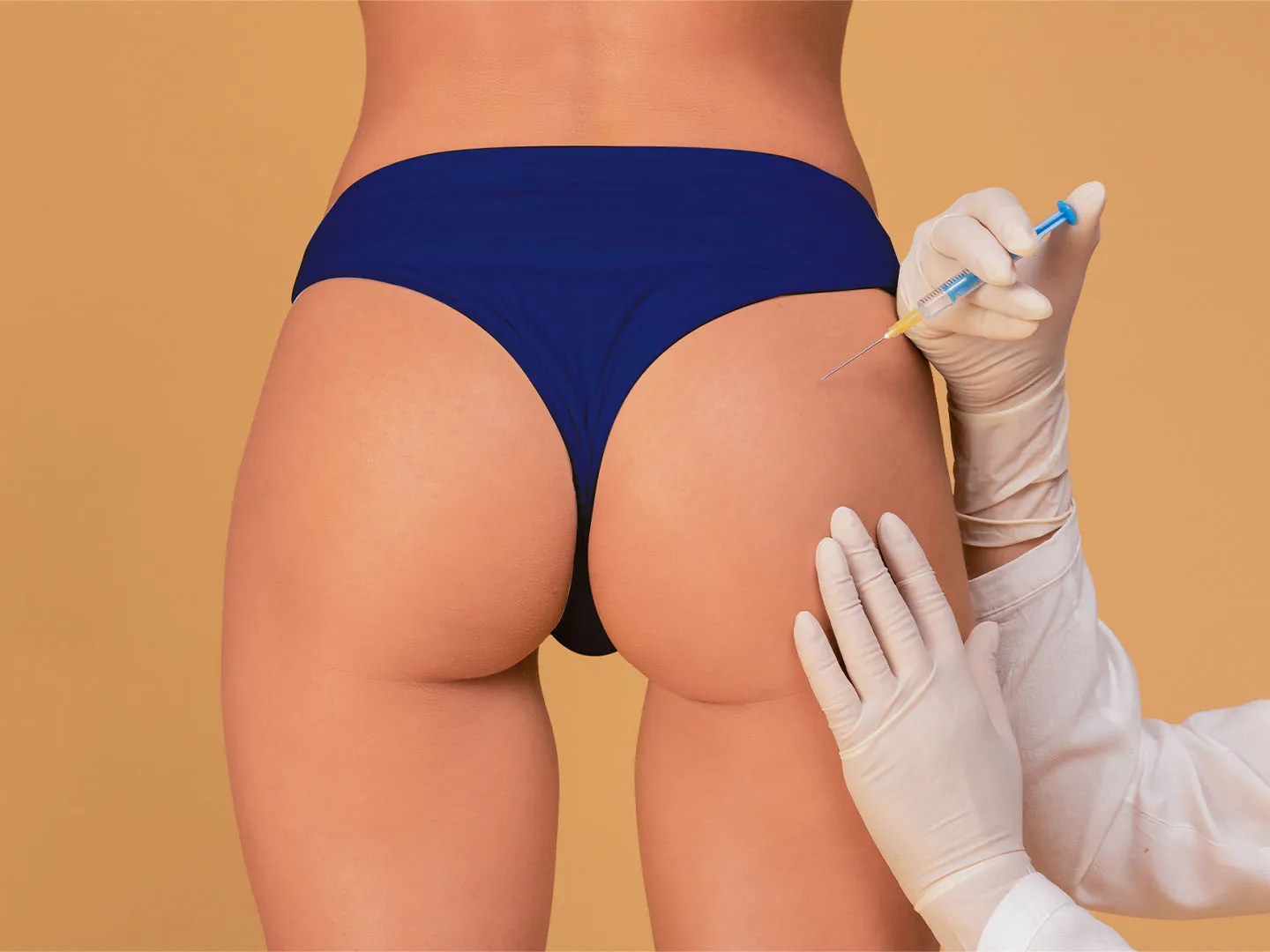
Butt filler is a general search term used to describe injectable treatments marketed for changing the shape, contour, or apparent volume of the buttocks. Depending on the treatment being discussed, it may also be called a non-surgical butt lift, liquid BBL, injectable butt lift, hip dip filler, or collagen-stimulating buttock treatment.
However, these terms do not always refer to the same product or procedure. Some treatments use temporary gel fillers, while others use biostimulatory materials designed to encourage collagen production. Results, recovery time, cost, reversibility, and risk can differ substantially.
There is also an important regulatory distinction. In the United States, the Food and Drug Administration has not approved injectable fillers—including silicone—for body contouring or buttock enhancement. Some products discussed for buttock contouring may be FDA-approved for specific facial or hand indications, but using them in the buttocks is different from using them for their approved purpose.
Key takeaway: Butt filler should not be evaluated as a single standardized treatment. Patients need to understand the exact product, its approved indications, the provider’s qualifications, the planned treatment goal, and the potential complications before making a decision.
Medical note: This guide is for general education and does not replace an examination or personalized advice from a qualified medical professional.
What Is Butt Filler?
Butt filler refers to injectable materials marketed for adding volume, softening hip dips, improving contour irregularities, or creating a fuller-looking buttock without traditional implant surgery.
The phrase is primarily a consumer and marketing term. It does not identify one specific medical product, material, injection method, or level of risk.
Butt filler and non-surgical buttock enhancement
A non-surgical butt lift is generally described as an outpatient cosmetic procedure that attempts to change the appearance of the buttocks without surgical incisions or general anesthesia.
Depending on the clinic and country, the term may refer to:
Poly-L-lactic acid collagen stimulators
Energy-based skin-tightening treatments
Combination body-contouring procedures
Other injectable products marketed for gluteal contouring
Cleveland Clinic notes that non-surgical butt lift results are not permanent and may require repeat treatments, although the duration depends on the type of procedure used.
What butt filler may be intended to improve
A personalized contouring plan may focus on one or more aesthetic concerns:
Shallow hip dips
Mild left-to-right asymmetry
Limited upper-buttock fullness
Small contour depressions
Shape irregularities after weight loss
A desire for subtle contour enhancement
Reduced skin support or age-related volume change
The treatment should not automatically be presented as a substitute for exercise, weight management, surgery, or treatment of a medical condition.
What butt filler cannot reliably do
Injectable contouring has important limitations. It may not be suitable for:
Significant skin laxity
Major buttock enlargement
Severe post-surgical deformity
Advanced cellulite
Substantial lifting of sagging tissue
Correction of underlying muscular weakness
Weight-loss treatment
Replacement of gluteal muscle development
A responsible consultation should distinguish between adding apparent volume, stimulating collagen, lifting loose skin, and building muscle. These goals require different approaches.
U.S. regulatory status
In the United States, the FDA has not approved dermal filler injections for buttock augmentation or large-scale body contouring. This includes fillers that may be approved for particular areas of the face or hands.
For example, Sculptra is an FDA-approved poly-L-lactic acid injectable for specified facial indications. Its official U.S. indications include correction of facial wrinkles and contour deficiencies—not buttock augmentation.
Regulations differ between countries, so patients should verify the legal status and approved indications of the exact product in their location.
How Does Butt Filler Work?
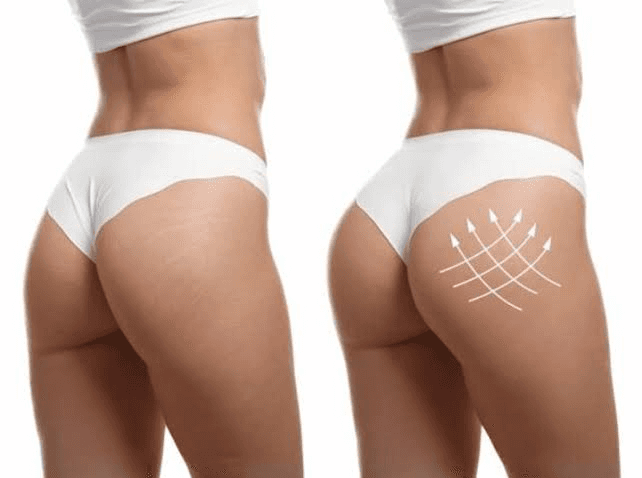
Butt filler may create contour changes either by placing a volume-occupying material beneath the skin or by stimulating the body to produce additional collagen over time.
The mechanism depends on the material used.
Immediate volume replacement
Some fillers are gel-like substances that physically occupy space in soft tissue. These products may produce an immediate visible change, although early swelling can temporarily exaggerate the result.
Hyaluronic acid, commonly abbreviated as HA, is a material used in several FDA-approved facial fillers. HA-based fillers are absorbed by the body over time and may sometimes be reduced with the enzyme hyaluronidase.
That does not mean every result can be completely or predictably reversed. Removal may be more difficult when large volumes, multiple tissue areas, or unknown products are involved.
Collagen stimulation
Biostimulatory injectables work differently from conventional gel fillers. Instead of producing all of the final effect through the injected material itself, they are intended to encourage a gradual tissue response.
Poly-L-lactic acid, or PLLA, is a biodegradable synthetic polymer. Sculptra is a well-known PLLA product associated with collagen stimulation. Results develop gradually rather than appearing as a complete final correction immediately after treatment.
Calcium hydroxylapatite, or CaHA, is another filler material used in certain FDA-approved facial and hand indications. Like other products discussed for off-label body contouring, approval for one anatomical area does not automatically establish approval for the buttocks.
Treatment planning and gluteal anatomy
The buttock is a large anatomical region containing skin, subcutaneous fat, connective tissue, muscles, nerves, and major blood vessels.
The gluteus maximus is one of the body’s largest muscles and contributes to hip extension, pelvic stabilization, and movement. Therefore, gluteal contouring is not simply a larger version of facial filler treatment.
Safe medical planning requires detailed anatomical knowledge, an understanding of the product, sterile technique, complication management, and realistic volume assessment.
When results may appear
The results timeline depends on the product category:
Gel fillers: An immediate change may be visible, followed by swelling reduction and tissue settling.
Collagen stimulators: Improvement is generally gradual and may continue developing over several weeks or months.
Combination treatments: Results may appear in stages because different parts of the treatment work at different speeds.
Patients should not judge their final result from photos taken immediately after an injectable procedure.
Types of Fillers Discussed for Buttock Enhancement
Products associated with buttock contouring include hyaluronic acid fillers, collagen stimulators, longer-lasting fillers, and unapproved injectable substances. They are not interchangeable.
The exact product name and regulatory status should always be disclosed before treatment.
Hyaluronic acid butt filler
Hyaluronic acid is a naturally occurring substance found in the body’s connective tissues and fluids. HA fillers are commonly associated with facial volume restoration and wrinkle correction.
Potential characteristics include:
Immediate or near-immediate volume
Temporary results
Different gel densities and formulations
Possible reduction with hyaluronidase
Significant product requirements for large treatment areas
Cost that increases with the amount used
Although HA fillers may be discussed online as “body filler” or “hip dip filler,” the FDA has not approved injectable fillers for buttock or large-scale body enhancement in the United States.
Poly-L-lactic acid collagen stimulators
PLLA is commonly described as a biostimulatory material because it encourages collagen production rather than functioning only as a space-filling gel.
Commonly discussed characteristics include:
Gradual results
Multiple treatment sessions
Delayed collagen development
Improvement in contour rather than immediate dramatic enlargement
The possibility of nodules or unevenness
Limited ability to reverse the result immediately
Sculptra is the best-known PLLA brand, but its U.S. FDA-approved indications are facial. Buttock treatment represents a different use that should be discussed openly during informed consent.
Calcium hydroxylapatite fillers
Calcium hydroxylapatite is a mineral-like compound used in certain dermal filler products. It may provide an initial filling effect while also supporting collagen-related tissue changes.
Its characteristics may include:
Immediate structural support
Collagen-stimulating activity
Temporary but potentially longer-lasting effects
Limited direct reversibility
Product-specific handling and complication considerations
As with PLLA, approval for facial or hand indications should not be interpreted as approval for gluteal augmentation.
Permanent fillers and PMMA
Polymethylmethacrylate, or PMMA, is used in certain permanent or semi-permanent filler products for limited approved indications.
Permanent fillers may appear attractive because of their longevity, but they can be difficult or impossible to remove completely. Long-term complications may require medical treatment or surgery.
The FDA advises patients to understand that removal can be especially difficult with permanent fillers and materials that are not based on hyaluronic acid.
Injectable silicone
Injectable silicone should not be confused with a solid, surgically placed silicone butt implant.
The FDA has not approved injectable silicone for aesthetic body contouring. It has been associated with chronic pain, infection, tissue damage, migration, permanent disfigurement, embolism, stroke, and death.
Offers involving silicone injections, industrial silicone, unnamed “biopolymer,” or products poured from an unverified container are major warning signs.

Comparison of materials discussed as butt filler
Material or treatment | How it is discussed | Result timing | Reversibility | Key consideration |
|---|---|---|---|---|
Hyaluronic acid | Space-filling gel | Usually immediate | May be partly reducible with hyaluronidase | Not FDA-approved for buttock enhancement in the U.S. |
Poly-L-lactic acid | Collagen biostimulator | Gradual | Not immediately dissolvable | May require several sessions |
Calcium hydroxylapatite | Structural filler and biostimulator | Immediate and gradual | Not directly dissolvable like HA | Product approval is indication-specific |
PMMA-type filler | Long-lasting or permanent filler | Usually gradual or immediate | Difficult to remove | Long-term complication management may be complex |
Injectable silicone | Illegal or unapproved body-contouring injection | Variable | Extremely difficult to remove | Associated with severe injury and death |
Autologous fat transfer | Surgical transfer of the patient’s own fat | Immediate with later volume change | Requires surgery to revise | This is not dermal filler |

How Much Does Butt Filler Cost?
Butt filler cost depends primarily on the product, required volume, number of sessions, treatment area, provider expertise, and geographic market.
There is no reliable universal price because “butt filler” can describe several different procedures.
Typical U.S. price range
Published U.S. clinic pricing for collagen-stimulating buttock treatments frequently places a complete treatment series in a broad range of approximately $4,000 to $10,000. However, smaller contour corrections may cost less, while extensive treatment plans may cost considerably more.
These figures are commercial price examples, not an official medical average. They should not be used as a substitute for an individualized written quotation.
Factors that determine butt filler cost
The total price may depend on:
The exact brand and material
The number of vials or syringes
Whether one or both sides are treated
The depth and size of hip dips
The desired level of projection
The number of planned sessions
The provider’s credentials and experience
Clinic location and operating costs
Imaging or additional safety measures
Follow-up appointments
Medication and aftercare
Management of complications
Maintenance treatments
A low advertised starting price may cover only a small amount of product rather than a complete body-contouring plan.
Why price per syringe can be misleading
Facial filler treatments often use relatively small product quantities. Buttock contouring involves a much larger anatomical area, so a per-syringe advertisement does not necessarily reveal the total cost.
A useful written quotation should specify:
The exact product and manufacturer
The amount planned for each session
The estimated number of sessions
The physician or clinician performing the procedure
Follow-up and aftercare fees
Whether revision treatment is included
The cancellation and refund policy
What happens if the treatment plan changes
Should price be the main selection factor?
No. Cost matters, but the cheapest provider may not be the safest or most qualified.
Product authenticity, medical training, anatomical expertise, sterile conditions, emergency procedures, and informed consent are more important than obtaining the lowest quote.
How Much Filler May Be Needed?
There is no universal number of milliliters, syringes, or vials that is appropriate for every patient.
Required volume depends on anatomy, treatment objective, material, tissue quality, and the surface area being treated.
Factors that influence treatment volume
A provider may evaluate:
Buttock width and projection
Hip and pelvic structure
Depth of the hip dips
Existing subcutaneous fat
Skin thickness and elasticity
Left-to-right asymmetry
Previous injections or surgery
Scarring or contour irregularities
Desired degree of change
Product concentration and formulation
The same amount of product can appear very different on two patients with different frames and tissue characteristics.
Hip dip correction versus buttock enlargement
A small contour depression may require a different plan from generalized buttock augmentation.
Hip dip filler is generally intended to soften a localized indentation between the hip and upper thigh. By contrast, attempts to substantially enlarge the entire buttock may require much larger product quantities and may involve different risks.
Patients should be cautious when a provider promises dramatic enlargement with a very small amount of product.
Why more filler is not always better
Using additional product does not guarantee a more attractive or safer result.
Overcorrection may contribute to:
Uneven contours
Excessive firmness
Visible product edges
Nodules or lumps
Asymmetry
Unnatural proportions
Increased treatment cost
More difficult complication management
A staged approach may allow swelling to resolve and tissue response to be evaluated before further treatment is considered.
Avoid copying another patient’s treatment plan
Before-and-after photos can help communicate aesthetic preferences, but they do not determine the correct dose.
A responsible provider should develop a personalized treatment plan rather than copying the number of vials or syringes used for an influencer, friend, or previous patient.
What Results Can You Expect?
Realistic butt filler results are generally based on contour refinement rather than guaranteed dramatic enlargement.
Results vary according to the product, anatomy, treatment area, technique, and individual tissue response.
Common aesthetic goals
Patients may seek treatment for:
Softer-looking hip dips
A smoother transition from waist to thigh
Improved upper-pole fullness
Better side-to-side balance
Correction of small depressions
A rounder visual contour
Subtle improvement after weight change
The most suitable result should complement the patient’s natural proportions rather than follow a standardized body shape.
Immediate result versus final result
The appearance immediately after treatment may reflect:
Temporary swelling
Local anesthetic fluid
Redness
Tissue compression
Early inflammation
The physical presence of the product
Collagen-stimulating treatments do not produce all of their intended effect immediately. A meaningful assessment may require several weeks and sometimes multiple sessions.
Butt filler before-and-after photos
Before-and-after images should use:
Consistent lighting
The same camera distance
Matching body position
Similar clothing
A clearly stated time interval
No reshaping filters
No hidden combination procedures
Photos taken from different angles can make a modest change appear much larger than it actually is.
Patients should also ask whether the featured case received other treatments such as liposuction, skin tightening, muscle stimulation, or fat transfer.
Results that may not be achievable
Injectables may not adequately correct:
Extensive loose skin
Severe cellulite
Major post-liposuction deformities
Significant sagging
Large scars
Major skeletal asymmetry
A desire for substantial enlargement
In these situations, a plastic surgeon may discuss surgical or non-injectable alternatives.
How Long Does Butt Filler Last?
Butt filler longevity depends on the product, treatment area, metabolism, tissue response, amount used, and whether maintenance treatments are performed.
No result should be described as permanent unless the material is genuinely permanent—and permanent materials carry their own long-term concerns.
Hyaluronic acid filler duration
HA filler is gradually broken down by the body. The exact duration differs by product and anatomical area.
Large-scale body treatment may not behave exactly like facial treatment because of differences in movement, pressure, tissue structure, and product volume.
A provider should not automatically apply facial-filler longevity claims to buttock enhancement.
Collagen-stimulating treatment duration
PLLA-based treatment is intended to create gradual collagen-related change. Cleveland Clinic notes that some non-surgical butt lift results may last up to approximately two years, depending on the treatment type.
However, the visible duration is not identical for every patient. Results may fade gradually rather than disappearing on a specific date.
Factors that may affect longevity
Results may be influenced by:
Product type
Treatment volume
Number of sessions
Metabolic rate
Weight fluctuation
Aging
Tissue quality
Exercise and gluteal muscle changes
Smoking
Health conditions
Maintenance schedule
Maintenance treatment
Maintenance should not be scheduled automatically without reassessment.
Before adding more product, the clinician should evaluate remaining volume, asymmetry, tissue texture, previous complications, and whether the patient’s goals have changed.
Repeated treatments can create a more complex medical history, especially when different products are layered over time.
Butt Filler Recovery Timeline
Recovery after butt filler is often shorter than recovery after surgery, but “non-surgical” does not mean risk-free or downtime-free.
Instructions vary by material and provider. Patients should follow the written aftercare plan supplied by the treating clinician.
First 24 to 48 hours
Possible early effects include:
Swelling
Tenderness
Bruising
Redness
Temporary firmness
Mild asymmetry
Small injection-site marks
These effects may be expected after some treatments, but rapidly increasing pain, unusual skin discoloration, fever, drainage, shortness of breath, weakness, or neurological symptoms require urgent medical evaluation.
First week
During the first several days, the treatment area may continue changing as swelling settles.
Patients may be advised to modify exercise, pressure, massage, sitting, sleeping position, or bathing. These instructions depend on the exact product and should not be copied from another person’s social media post.
The American Academy of Dermatology notes that massage recommendations differ by filler and treatment, so patients should follow instructions from their own medical provider.
Weeks two through six
Gel filler results may become easier to assess once early swelling decreases.
Collagen-stimulating treatments can continue evolving during this period. Additional sessions should only be planned after an appropriate review rather than based solely on the immediate post-treatment appearance.
Practical aftercare checklist
Unless the treating medical professional gives different instructions:
Keep the treatment area clean
Follow all product-specific aftercare directions
Avoid pressing or massaging the area without approval
Delay strenuous exercise for the recommended period
Do not apply unapproved creams or home remedies
Avoid alcohol or medications only when medically advised
Monitor changes in pain, swelling, temperature, and skin color
Attend the scheduled follow-up
Keep the product name and treatment record
Seek help promptly when symptoms appear unusual
When can you sit after butt filler?
There is no single rule that applies to every injectable product.
Pressure restrictions can differ between HA filler, collagen stimulators, fat transfer, and implant surgery. Patients should obtain written instructions explaining:
How long sitting should be limited
Whether a support cushion is recommended
Safe sleeping positions
When driving can resume
When exercise can restart
Advice for a surgical BBL should not automatically be applied to a non-surgical injectable treatment, and vice versa.
Butt Filler Risks and Possible Complications
Butt filler complications can range from temporary swelling to infection, tissue injury, product migration, embolic events, permanent disfigurement, and death.
Risk depends on the product, volume, injection location, medical setting, provider training, and patient factors.
Common temporary effects
Possible short-term effects may include:
Swelling
Bruising
Tenderness
Redness
Itching
Temporary firmness
Minor asymmetry
Injection-site bleeding
These symptoms should gradually improve. Persistent or worsening symptoms require medical review.
Delayed complications
Some problems may appear weeks, months, or even years after treatment.
Potential delayed complications include:
Nodules
Granulomas
Chronic inflammation
Recurrent swelling
Infection
Product migration
Visible contour irregularities
Persistent pain
Tissue hardening
Delayed allergic or immune reactions
Permanent and unknown filler materials can be especially difficult to manage because complete removal may not be possible.
Serious warning signs
Seek urgent medical attention for symptoms such as:
Severe or rapidly worsening pain
Pale, gray, blue, purple, or mottled skin
Rapidly increasing swelling
Hot, red, spreading inflammation
Pus or unusual drainage
Fever or chills
Chest pain
Shortness of breath
Sudden weakness
Confusion
Vision changes
Severe headache
Loss of consciousness
These symptoms should not be managed through social media advice or delayed until the next routine appointment.
Injectable silicone and biopolymer risks
Liquid silicone injections are not the same as surgically placed solid silicone implants.
The FDA warns that injectable silicone used for body contouring can migrate and cause embolism, stroke, infection, tissue death, chronic pain, permanent disfigurement, and death.
Patients should avoid anyone offering:
Industrial silicone
“Medical-grade silicone” body injections
Unlabeled biopolymer
Hydrogel from an unknown manufacturer
Products transferred into an unmarked container
Treatment in a hotel, apartment, salon, or party setting
Needle-free high-pressure devices
Secret or “proprietary” injectable mixtures
Needle-free butt filler devices
Needle-free does not mean harmless.
High-pressure filler devices may be marketed as pens or non-invasive injectors. The FDA has not approved needle-free devices for dermal filler injection, and the American Academy of Dermatology has warned that these devices can cause serious injuries.
Common mistakes to avoid
Patients commonly increase their risk by:
Choosing a provider based only on price
Failing to verify medical credentials
Accepting an unnamed filler
Assuming facial approval applies to the buttocks
Believing “non-surgical” means risk-free
Requesting excessive volume in one visit
Hiding previous injections
Combining products without a clear medical record
Ignoring early signs of infection
Receiving treatment outside a medical environment
Trusting edited before-and-after photos
Purchasing injectable products online
Butt Filler vs BBL
Butt filler is an injectable treatment, while a Brazilian butt lift generally refers to surgical liposuction followed by transfer of the patient’s own fat into the buttocks.
The two options differ in mechanism, recovery, suitability, scale of results, and complication profile.
What is a Brazilian butt lift?
A Brazilian butt lift removes fat from another area of the body through liposuction and transfers processed fat to the buttocks.
It combines body contouring at the donor site with buttock augmentation. Because it is surgery, it may involve anesthesia, incisions, compression garments, restricted sitting, and a longer recovery.
Butt filler vs BBL comparison
Factor | Butt filler | Brazilian butt lift |
|---|---|---|
Material | Manufactured injectable product | Patient’s own fat |
Procedure type | Non-surgical injection | Surgery with liposuction |
Anesthesia | Usually local measures | Often general anesthesia |
Result scale | Usually subtle to moderate | May provide greater volume |
Result timing | Immediate or gradual | Immediate, followed by fat-volume change |
Recovery | Generally shorter | Longer and more restrictive |
Donor fat needed | No | Yes |
Scarring | Injection points | Liposuction incisions |
Reversibility | Depends on material | Revision usually requires surgery |
Major safety concern | Infection, vascular injury, unknown or permanent products | Fat embolism and surgical complications |
U.S. approval issue | No filler is FDA-approved for buttock enhancement | Surgical procedure, not a filler approval question |
BBL safety considerations
Gluteal fat grafting has received multiple professional safety advisories because fat entering large veins can lead to fatal fat embolism.
Professional plastic surgery organizations have emphasized extreme caution, appropriate surgical planes, and specific safety measures for gluteal fat grafting.
A BBL should only be considered after consultation with a properly qualified plastic surgeon who operates in an accredited medical facility.
Which option produces more volume?
A surgical fat transfer can generally create a larger volume change than injectable contouring, provided the patient has sufficient donor fat and is an appropriate surgical candidate.
Butt filler may be discussed for smaller contour changes, localized hip dips, or patients who do not want surgery. It should not be marketed as an identical replacement for a full surgical BBL.
Butt Filler vs Fat Transfer
Fat transfer uses fat collected from the patient’s body, while butt filler uses a manufactured or processed injectable material.
A Brazilian butt lift is one type of gluteal fat-transfer procedure.
Material and mechanism
During fat transfer, fat is removed through liposuction, processed, and surgically placed into selected areas.
With filler treatment, no donor area is required. The treatment uses an injectable product that either occupies space or stimulates collagen.
Recovery differences
Fat transfer involves recovery from both:
The liposuction donor areas
The buttock treatment area
Injectable treatment usually involves less downtime, but complications can still occur and may be difficult to correct.
Longevity differences
A portion of transferred fat may survive long term, while another portion may be reabsorbed during healing. Weight gain, weight loss, and aging can affect the final contour.
Manufactured filler gradually breaks down or produces a temporary collagen response, depending on the material.
Neither option guarantees permanent symmetry.
Who may consider each option?
Fat transfer may be discussed with patients who:
Want a more substantial volume change
Have sufficient donor fat
Accept surgical recovery
Are medically suitable for anesthesia and liposuction
Injectable contouring may be discussed with patients who:
Want a smaller contour adjustment
Have limited donor fat
Prefer to avoid surgery
Understand the off-label or local regulatory context
Accept temporary or gradual results
The appropriate choice requires individualized medical assessment.
Butt Filler vs Butt Implants
Butt implants are surgically placed solid devices, while butt filler is injected into soft tissue.
They should not be confused with injectable silicone.
How butt implants work
Butt implants are typically made from solid silicone elastomer and are surgically positioned to add volume.
Cleveland Clinic describes butt implants as a permanent augmentation option with a long recovery and a meaningful risk of complications.
Implant advantages and limitations
Possible advantages include:
Predictable implant size
No donor fat requirement
More substantial structural volume
Long-lasting augmentation
Possible limitations include:
Surgery and anesthesia
Incisions and scars
Longer recovery
Implant displacement
Infection
Wound problems
Capsular contracture
Implant visibility or palpability
Revision surgery
Filler versus implant decision
Butt filler may offer less downtime and no surgical implant pocket, but the result is generally temporary and may require repeat treatment.
Implants may create more volume, but involve surgery and may require future revision or removal.
Patients should be cautious of marketing that describes either option as universally safer or better.
Who May Not Be a Suitable Candidate?
A person may not be a suitable candidate when the medical risks outweigh the likely aesthetic benefit or when expectations cannot be achieved safely.
Final eligibility depends on the product, medical history, examination, and local clinical guidelines.
Medical factors requiring careful assessment
A clinician should review:
Active skin infection
Open wounds near the treatment area
Current illness or fever
Previous filler complications
Unknown products already present
Bleeding disorders
Use of anticoagulants or blood-thinning medication
Significant allergies
Immune-system conditions
Poorly controlled chronic disease
History of abnormal scarring
Pregnancy or breastfeeding
Planned surgery in the treatment area
Recent cosmetic procedures
Patients should never stop prescription medication without instructions from the clinician who prescribed it.
The American Academy of Dermatology advises patients to disclose all medical conditions, medications, supplements, allergies, and previous cosmetic treatments before receiving filler.
Previous unknown injections
Anyone who has previously received silicone, biopolymer, hydrogel, PMMA, or an unknown injectable product requires particularly careful evaluation.
Adding another material without understanding what is already present may increase the complexity of future reactions, infection, imaging, and removal.
A qualified clinician may recommend imaging or specialist referral instead of immediate treatment.
Unrealistic expectations
Butt filler may not be appropriate for someone expecting:
A dramatic surgical-level transformation
Perfect symmetry
Guaranteed permanence
Zero downtime
Zero risk
A result identical to a filtered photograph
Correction of major loose skin
Treatment without medical disclosure
Psychological readiness and realistic expectations are essential parts of cosmetic treatment planning.
Age and informed consent
Patients must meet the legal age and consent requirements in their jurisdiction.
A responsible provider should not pressure a patient into same-day treatment, encourage unnecessary volume, or use limited-time discounts to override informed decision-making.
Questions to Ask Before Treatment
The most important questions concern the exact product, provider qualifications, regulatory status, expected result, complication plan, and total cost.
Use the following consultation checklist.
Questions about the provider
Are you a licensed medical professional?
What board certification or specialty training do you have?
How often do you treat the gluteal or hip area?
Who will perform the injections?
Where will the procedure take place?
Is the medical facility licensed or accredited?
What emergency equipment and medications are available?
Who manages complications after business hours?
In the United States, patients considering body procedures can verify plastic-surgery certification through the American Board of Plastic Surgery. ASPS also recommends choosing appropriately board-certified surgeons who use accredited or licensed facilities.
Questions about the product
Ask the provider:
What is the complete product name?
Who manufactures it?
Can I see the sealed packaging?
What is the lot number and expiration date?
What are its approved indications?
Is this use off-label?
Is the product temporary or permanent?
Can it be dissolved or removed?
What published evidence supports this use?
Will different products be combined?
Do not accept vague answers such as “premium body filler,” “European gel,” “organic filler,” or “our special mixture.”
Questions about results and recovery
Ask:
What specific change is realistic for my anatomy?
How many sessions may be required?
When should I expect the final result?
How long might the result last?
What level of asymmetry is normal?
Will I need to limit sitting, sleeping, driving, or exercise?
What happens if I am dissatisfied?
What are the signs of an emergency?
How quickly can the clinic examine me after a complication?
Questions about cost
Request a complete written quote covering:
Product costs
Provider fees
Facility fees
Follow-up visits
Medication
Additional sessions
Correction or revision policies
Complication management
Maintenance treatment
A consultation should give the patient time to review the information rather than requiring an immediate deposit.
Conclusion: Is Butt Filler Right for You?
Butt filler is not one standardized treatment. The term can describe several injectable products with different mechanisms, durations, regulatory statuses, and complication profiles.
For some patients, carefully selected non-surgical buttock contouring may provide a subtle improvement in hip dips, symmetry, or shape. It should not be treated as an easy, risk-free shortcut to dramatic buttock enlargement.
The most important decision is not simply which filler lasts longest or costs least. It is whether the proposed treatment is medically appropriate, whether the product can be identified and verified, and whether the provider has the training and resources to prevent and manage complications.
In the United States, patients should understand that the FDA has not approved injectable fillers for buttock augmentation or body contouring. Injectable silicone should be avoided because it can cause permanent injury and life-threatening complications.
Schedule a Professional Buttock Contouring Consultation
Considering butt filler, hip dip filler, a non-surgical butt lift, fat transfer, or butt implants?
Schedule an in-person consultation with a properly licensed and qualified medical professional. Bring your complete medical history, disclose all previous injections, and ask for the exact product name, regulatory status, expected results, total cost, recovery instructions, and complication plan before agreeing to treatment.
Never accept an unknown injectable product or undergo body-contouring injections in a salon, hotel room, private residence, or non-medical setting.
Frequently Asked Questions
Is butt filler safe?
No cosmetic injectable is completely risk-free.
Safety depends on the product, treatment volume, provider’s qualifications, anatomy, medical environment, and patient health. In the United States, the FDA has not approved injectable filler for buttock augmentation or body contouring.
Is butt filler FDA-approved?
Not for buttock enhancement in the United States.
Some materials and brands are FDA-approved for specific facial or hand indications. That approval does not extend automatically to the buttocks.
Is Sculptra FDA-approved for the buttocks?
No. Sculptra’s U.S. approved indications relate to facial wrinkles and contour deficiencies.
A provider discussing Sculptra for buttock contouring should clearly explain that the anatomical use is different from its FDA-approved facial indications.
What is a liquid BBL?
“Liquid BBL” is a marketing term generally used for injectable buttock contouring.
It may refer to HA filler, PLLA, CaHA, or another product depending on the clinic. Patients should never assume two liquid BBL treatments use the same material.
Is a liquid BBL the same as a Brazilian butt lift?
No.
A traditional Brazilian butt lift is a surgical fat-transfer procedure involving liposuction. A liquid BBL generally refers to an injectable treatment that does not harvest the patient’s fat.
How much does butt filler cost?
Published U.S. clinic prices for a complete collagen-stimulating treatment series often fall around $4,000 to $10,000, but prices can be lower or substantially higher.
The final cost depends on the product, amount, number of sessions, provider, and treatment goal.
How many syringes are needed for butt filler?
There is no safe universal number.
The amount should be determined after examining the patient’s anatomy, treatment area, desired result, tissue quality, previous procedures, and exact product.
How long does butt filler last?
Longevity varies by material.
Some gel fillers are absorbed gradually, while collagen stimulators may create changes that develop over time and last longer. Some non-surgical butt lift results may last up to approximately two years, but individual results vary.
Can butt filler be dissolved?
Some hyaluronic acid fillers may be reduced using hyaluronidase, but complete reversal is not guaranteed.
PLLA, CaHA, PMMA, silicone, and unknown fillers cannot be dissolved in the same way. Removal may be difficult or require surgery.
Can butt filler migrate?
Yes, product displacement or migration is a possible concern, particularly with inappropriate products, high volumes, poor technique, pressure, or permanent substances.
Silicone migration can lead to severe systemic complications.
Can butt filler fix hip dips?
Injectable contouring may soften the appearance of some hip dips, but suitability depends on anatomy, skin quality, indentation depth, and the product used.
Hip dips are also influenced by pelvic structure and natural fat distribution, so complete elimination may not be realistic.
Does butt filler remove cellulite?
Not necessarily.
Some treatments may temporarily improve the appearance of selected depressions, but cellulite involves fibrous tissue, skin structure, fat compartments, and other factors. A filler is not automatically a comprehensive cellulite treatment.
Is butt filler permanent?
Most legitimate temporary fillers and collagen-stimulating treatments are not permanent.
Products marketed as permanent may be difficult to remove and can cause complications many years later.
Can you exercise after butt filler?
Exercise restrictions vary by product and treatment plan.
Patients should obtain personalized instructions rather than following generic online advice. Strenuous activity may need to be delayed while early swelling and tenderness settle.
Can you sit after butt filler?
The answer depends on the product and provider instructions.
Some treatments may require temporary pressure reduction. Patients should ask for written guidance regarding sitting, driving, sleeping, and exercise before treatment.
What happens when butt filler goes wrong?
Complications may include infection, abscess, unevenness, nodules, migration, chronic inflammation, tissue injury, vascular complications, scarring, and permanent deformity.
Severe pain, discoloration, fever, drainage, breathing difficulty, or neurological symptoms require urgent medical attention.
Is butt filler better than a BBL?
Neither option is universally better.
Butt filler may involve less downtime and smaller contour changes. A surgical BBL may create more volume but involves liposuction, anesthesia, longer recovery, and serious surgical risks.
The decision should be based on anatomy, goals, health, risk tolerance, and specialist assessment.
其他博客