博客
Hyaluronic Acid or Sodium Hyaluronate: Which Ingredient Delivers Better Results?
作者
Ray
已发布
类别
提示
If you’ve ever scanned a skincare label, you’ve likely seen hyaluronic acid and sodium hyaluronate listed—sometimes even on the same product. They sound interchangeable, but are they really? More importantly, which one delivers better results for your skin or formulation goals? In this guide, we break down the real differences, benefits, and use cases—so you can make an informed, results-driven choice.

作者
Ray
一位享有盛誉的医学美学专家,在该领域拥有40年的深厚经验。凭借在非侵入性手术、抗衰老科学以及先进皮肤病学解决方案方面的数十年专业知识,作者致力于分享将临床创新与真实患者成果相结合的见解。热衷于为全球客户推进安全、有效且高影响力的美学治疗。
还有什么比内部优惠、专业建议和惊喜更好的呢?
注册可每周在您的电子邮件中接收最新的博客文章。
立即加入。
Our company’s main product lines include HA (Hyaluronic Acid) fillers, CaHA (Calcium Hydroxylapatite) fillers, PLLA (Poly-L-Lactic Acid) biostimulators, and other advanced aesthetic solutions, all developed and manufactured by trusted partner facilities with whom we have maintained long-term, stable collaborations.
I help them with sales and export operations, while our company also provides sourcing and procurement services in China to help international clients solve supply-related challenges. If you need assistance with procurement, please feel free to contact us.
1. Understanding the Difference Between Hyaluronic Acid and Sodium Hyaluronate
I. What is hyaluronic acid in skincare and dermal formulations?
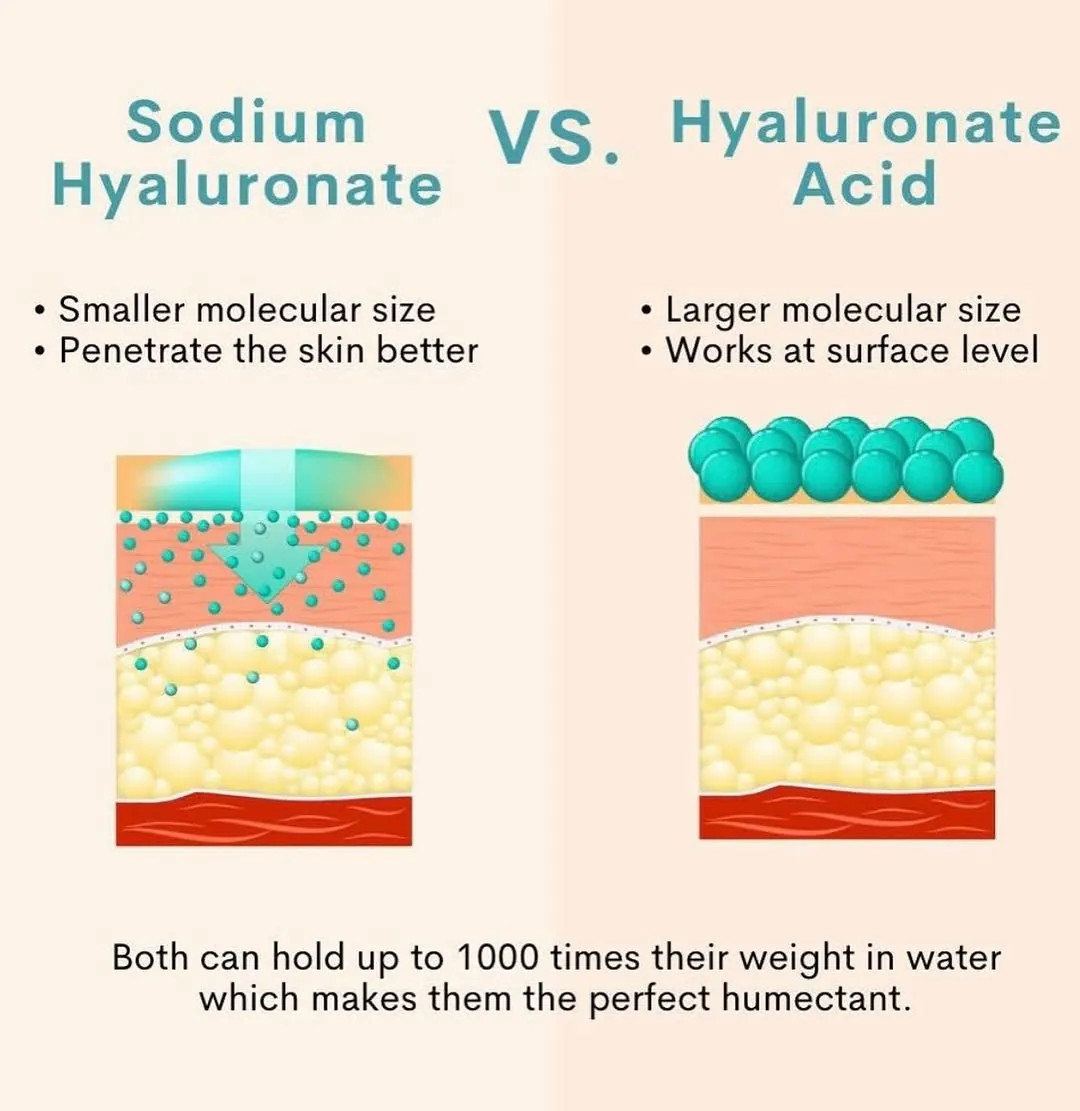
Hyaluronic acid (HA) is a naturally occurring glycosaminoglycan found in the skin, joints, and connective tissue. Its primary function is water retention—one molecule can bind up to 1,000 times its weight in water.
In skincare and injectables, hyaluronic acid is valued for:
Immediate hydration and plumping
Surface-level moisture retention
Temporary volume support in aesthetic treatments
However, HA molecules are relatively large, which limits how deeply they can penetrate the skin barrier when applied topically.
II. What is sodium hyaluronate and how does it work on skin?
Sodium hyaluronate is the salt form of hyaluronic acid. While chemically related, it behaves differently on the skin.
Key advantages include:
Smaller molecular size for deeper penetration
Better stability in formulations
Longer-lasting hydration within the epidermis
This is why sodium hyaluronate is commonly used in medical-grade skincare, serums, and injectable formulations.
2. Hyaluronic Acid vs Sodium Hyaluronate: Key Performance Differences
I. Sodium hyaluronate vs hyaluronic acid for skin hydration
Feature | Hyaluronic Acid | Sodium Hyaluronate |
|---|---|---|
Molecular size | Larger | Smaller |
Skin penetration | Surface-level | Deeper layers |
Hydration duration | Short-term | Longer-lasting |
Stability | Moderate | High |
Common uses | Creams, masks | Serums, injectables |
Bottom line:
Hyaluronic acid delivers instant surface hydration
Sodium hyaluronate provides sustained, deeper moisture
II. Which ingredient is better for professional and medical skincare products?
For clinical, injectable, or OEM skincare products, sodium hyaluronate is often preferred due to:
Higher formulation flexibility
Predictable molecular behavior
Improved bioavailability
This is why many dermal fillers and post-procedure serums rely on sodium hyaluronate rather than pure HA.
3. Hyaluronic Acid vs Sodium Hyaluronate: A Side-by-Side Comparison for Buyers
I. Molecular size difference between hyaluronic acid and sodium hyaluronate
One of the most important—but often overlooked—differences lies in molecular size.
Hyaluronic acid molecules are larger and tend to stay closer to the skin’s surface, forming a moisture-retaining film. Sodium hyaluronate, due to its smaller molecular weight, penetrates more easily into the epidermis, delivering hydration from within.
This distinction explains why sodium hyaluronate is frequently used in professional skincare formulations and injectable products.
II. Absorption and bioavailability in topical and injectable products
Absorption plays a critical role in real-world performance.
Hyaluronic acid offers immediate but superficial hydration
Sodium hyaluronate provides better bioavailability and sustained moisture
For injectables and post-procedure products, sodium hyaluronate is often preferred due to its predictable behavior and stability in tissue.
III. Why bioavailability matters in commercial skincare formulations
Higher bioavailability means:
More consistent results
Lower risk of formulation inefficiency
Better consumer satisfaction
This is especially important for OEM/ODM brands and medical-grade skincare manufacturers.
4. Which Ingredient Is Better for Different Skin Types?
I. Hyaluronic acid vs sodium hyaluronate for dry and dehydrated skin
Dry and dehydrated skin often benefits more from sodium hyaluronate because it:
Penetrates deeper layers
Supports long-term hydration
Reduces transepidermal water loss (TEWL)
Hyaluronic acid still plays a role, particularly for instant comfort and surface smoothness.
II. Oily and acne-prone skin: which one performs better?
Sodium hyaluronate is lightweight, non-greasy, and non-comedogenic, making it ideal for oily or acne-prone skin types.
Because it delivers hydration without clogging pores, it is widely used in:
Oil-free serums
Post-acne recovery products
Clinical skincare lines
III. Is sodium hyaluronate safe for sensitive skin?
Yes. Sodium hyaluronate is:
Biocompatible
Low-irritation
Suitable for compromised skin barriers
This makes it a preferred choice in post-treatment and dermatology-recommended products.
5. Featured Product — Cross-linked Hyaluronic Acid Derm Plus 20ml by Rveiling®
I. What is Cross-linked Hyaluronic Acid Derm Plus 20ml
Rveiling® Cross-linked Hyaluronic Acid Derm Plus 20ml is a professional injectable dermal filler designed for structural support, facial contouring, and volume augmentation in aesthetic medicine. It uses cross-linked high molecular weight sodium hyaluronate combined with lidocaine for improved comfort and performance.
This product is tailored for licensed aesthetic practitioners, dermatology clinics, and OEM partners seeking consistent, medical-grade injectable solutions.
II. Core Ingredients and Clinical Formula
The key components include:
Sodium Hyaluronate (25 mg/mL) – Cross-linked for enhanced viscoelasticity and tissue support
Lidocaine Hydrochloride (3 mg/mL) – Local anesthetic to minimize injection discomfort
BDDE cross-linker – Stabilizes the gel structure for longer duration and performance
Phosphate buffer & saline system – Ensures compatibility with body tissues and optimal pH balance
This formulation supports deep subcutaneous and supraperiosteal injection, providing natural-looking volume and contour correction.

1. How it Works — Cross-linked Sodium Hyaluronate Technology
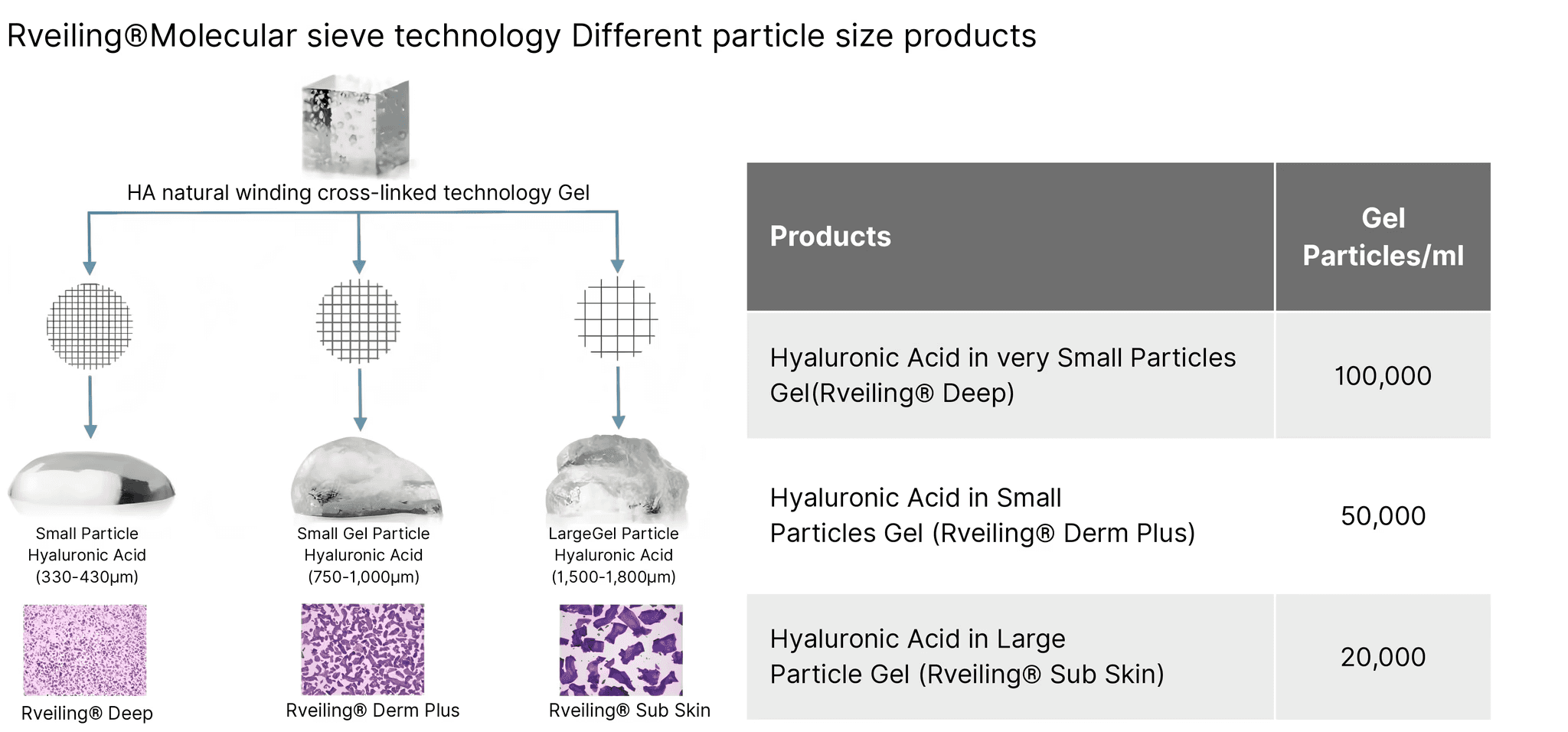
The product is manufactured using high molecular weight HA natural entanglement cross-linking enhanced with controlled chemical modification. This process:
Improves structural integrity and gel cohesion
Extends degradation cycle for longer-lasting aesthetic results
Enhances tissue adhesion and supports reliable volume retention
Compared with non-cross-linked hyaluronic acid, this technology delivers better tissue integration and durability—beneficial in clinical lifting and contour procedures.
2. Designed for Professional Aesthetic Use
This 20ml syringe format is ideal for addressing large treatment areas, including:
Deep facial folds and wrinkles
Contour enhancement (cheeks, jawline)
Structural support in body shaping
Volume replenishment in subcutaneous zones
The larger 20ml capacity also means fewer syringe changes during procedures, making it efficient and cost-effective for professional settings.
III. Safety, Sterilization and Quality Assurance
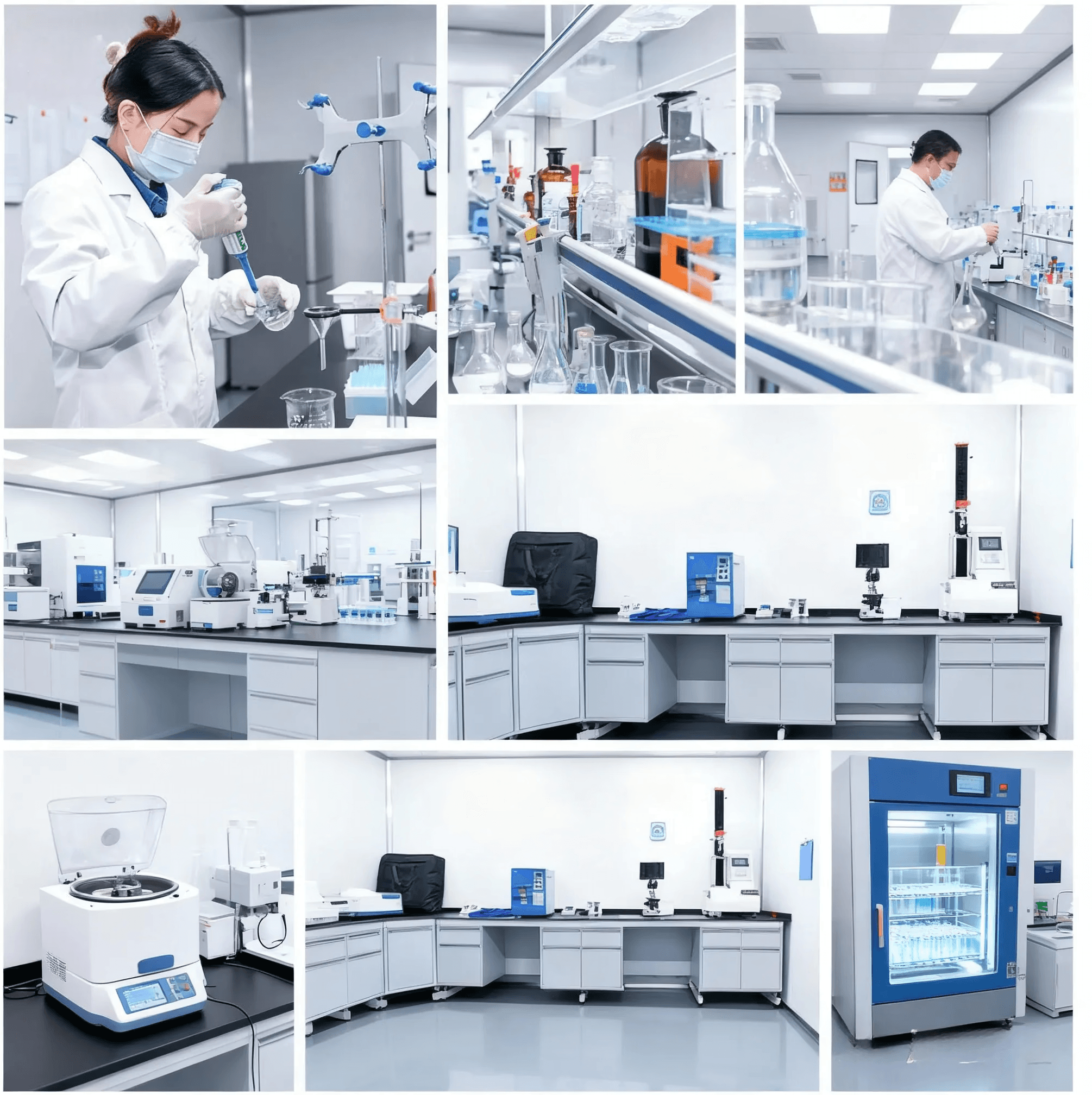
Aowita’s manufacturing adheres to CE and ISO 13485 quality standards, with each batch undergoing rigorous quality control. The product is sterilized high-temperature steam and is intended for single-use only, ensuring hygiene and consistency in clinical applications.
The sodium hyaluronate used is produced via microbial fermentation with no animal-derived ingredients, minimizing allergic risk and improving tissue safety.
Why Lidocaine Matters in Injectable Fillers
Integrated lidocaine helps:
Reduce local pain during injection
Improve patient comfort and satisfaction
Smooth the treatment experience without impacting performance
Support precise, controlled administration by practitioners
IV. Ideal Candidates and Clinical Indications
Cross-linked Hyaluronic Acid Derm Plus 20ml is indicated for individuals 18 years and older seeking:
Structural support for aging or volume-depleted areas
Shape correction and facial contour refinement
Enhanced skin appearance through deep dermal support
Suitable injection depths include deep subcutaneous layers and supraperiosteal planes, determined by professional practitioners based on patient anatomy.
OEM and Partnership Opportunities
Aowita offers OEM, private label, and bulk supply options for brands, clinics, and distributors, supported by technical documentation, quality certification, and logistical support.
This makes the Derm Plus 20ml product not just a clinical tool but also a scalable B2B solution for aesthetic product lines and medical aesthetic services.
6. FAQs Based on User Search Behavior
Is hyaluronic acid better than sodium hyaluronate?
Not necessarily. Neither is universally “better”—they serve different purposes.
Choose hyaluronic acid if you want quick plumping and surface hydration
Choose sodium hyaluronate if you want deeper, longer-lasting moisture and improved skin barrier support
For best results, many premium formulations use both.
Why do some dermatologists not like hyaluronic acid?
Some dermatologists caution against overuse of high-molecular-weight hyaluronic acid because:
It can sit on the skin’s surface without penetrating
In dry environments, it may draw moisture out of the skin instead of into it
Poorly formulated products can cause tightness or dehydration
This is why professionals often favor multi-molecular or sodium hyaluronate-based systems.
Can I use sodium hyaluronate and hyaluronic acid together?
Yes—and this is actually ideal.
When combined:
Hyaluronic acid hydrates the surface
Sodium hyaluronate hydrates deeper layers
Skin appears plumper, smoother, and more resilient
Many high-end serums, injectables, and post-treatment products use this dual-hydration strategy.
What ingredient is better than hyaluronic acid?
“Hyaluronic acid alternatives” depends on the goal:
Polyglutamic acid – stronger surface hydration
PLLA or CaHA – collagen stimulation (injectables)
PDRN or peptides – skin regeneration and repair
However, for hydration + compatibility, hyaluronic acid and sodium hyaluronate remain industry standards.
其他博客