博客
PDRN for Skin: The Complete Guide to Benefits, Results, and Treatments
作者
Ray
已发布
类别
PDRN Serum
Learn what PDRN serum is, how it supports skin repair, what results to expect, how it compares to HA/PN, and safety tips.


作者
Ray
一位享有盛誉的医学美学专家,在该领域拥有40年的深厚经验。凭借在非侵入性手术、抗衰老科学以及先进皮肤病学解决方案方面的数十年专业知识,作者致力于分享将临床创新与真实患者成果相结合的见解。热衷于为全球客户推进安全、有效且高影响力的美学治疗。
还有什么比内部优惠、专业建议和惊喜更好的呢?
注册可每周在您的电子邮件中接收最新的博客文章。
立即加入。
Our company’s main product lines include HA (Hyaluronic Acid) fillers, CaHA (Calcium Hydroxylapatite) fillers, PLLA (Poly-L-Lactic Acid) biostimulators, and other advanced aesthetic solutions, all developed and manufactured by trusted partner facilities with whom we have maintained long-term, stable collaborations.
I help them with sales and export operations, while our company also provides sourcing and procurement services in China to help international clients solve supply-related challenges. If you need assistance with procurement, please feel free to contact us.
PDRN (Polydeoxyribonucleotide) is widely discussed in regenerative skincare because it’s positioned as a skin-repair support ingredient—often derived from salmon DNA in processed forms used in beauty and medical aesthetics. In plain terms, the goal of PDRN-based skincare is to help skin recover more comfortably, support repair processes, and improve the look of texture and fine lines over time.
If you’re researching PDRN serum, the most important things to understand are: how it’s meant to work, what results are realistic, how it compares to hyaluronic acid (HA), and—most crucially—how safe it is for your skin type (especially sensitive skin) and whether you’re considering serum vs injection.
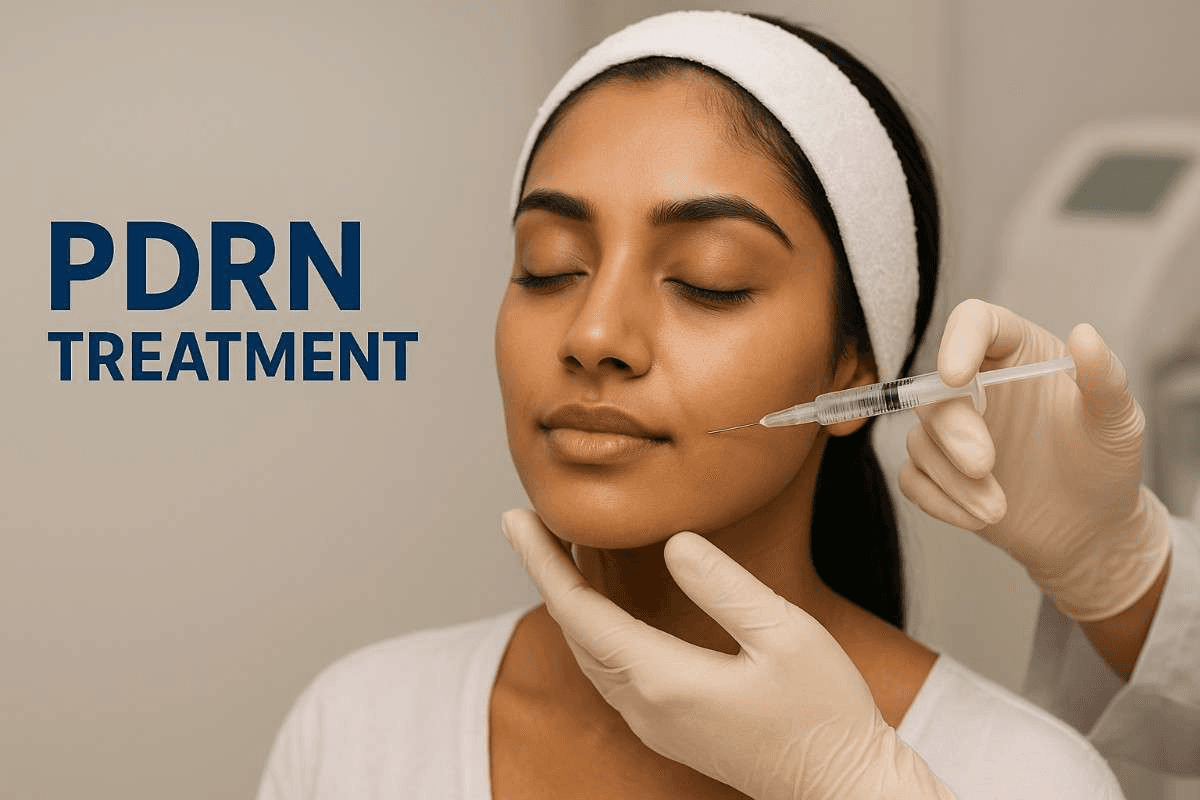
Key Takeaways
PDRN stands for Polydeoxyribonucleotide and is typically used in skincare as a repair-focused ingredient.
Many brands link PDRN to DNA repair support and anti-inflammatory activity, which can matter for irritated or compromised skin.
Results are usually gradual: you may notice comfort/appearance changes early, but meaningful improvement often takes weeks.
PDRN vs HA: HA is mainly hydration/plumping, while PDRN is more about repair/recovery support.
Safety depends on formulation + use method: patch test, check ingredient sensitivities (including fish-related ingredients if relevant), and treat injections as medical procedures.
What Is PDRN and Why Is It Trending in Skincare?
PDRN—Polydeoxyribonucleotide—is a type of nucleic-acid derivative used in both medical aesthetics and cosmetic skincare. What makes it “trending” is the shift in skin concerns: many users are no longer only chasing immediate hydration or glow, but instead looking for ingredients that support recovery, comfort, and visible healing after irritation, aging, or disruptive routines.
Most product formulations marketed as PDRN in skincare come from salmon DNA processing, then are formulated into serum or injectable formats. The core idea is that PDRN is a “regenerative” ingredient—less about surface-level moisturizing and more about helping skin enter a healthier repair cycle.
If you want a deeper baseline definition and what “PDRN serum” typically contains, start with [What Is PDRN Serum?].
How PDRN Works to Repair and Regenerate Skin
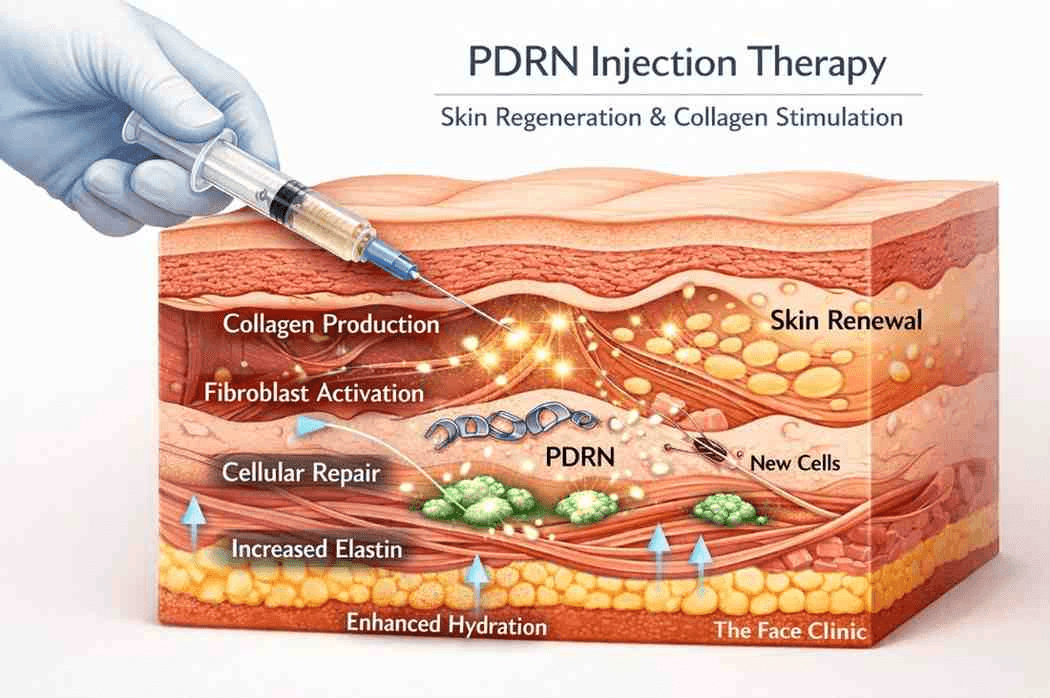
To understand how PDRN may help skin, think in terms of three categories of benefits:
supporting cellular repair signals, 2) reducing inflammation-related irritation, and 3) encouraging skin remodeling over time.
Mechanistic descriptions vary by source and product formulation; when brands claim DNA repair or collagen stimulation, they’re generally referring to biological pathways discussed in regenerative medicine literature. Specific clinical outcomes can differ from person to person.
DNA repair support and anti-inflammatory effects
A common explanation for why PDRN is used in regenerative aesthetics is that it may support DNA repair processes and influence inflammation pathways. In skincare, that matters because many “repair” problems share a common theme: skin feels less stable—barrier stress, redness, sensitivity, or dullness can occur when recovery is slower than damage.
This is one reason PDRN is often grouped with other “skin recovery” ingredients: it aims at the behind-the-scenes part of the skin cycle, not just the surface.
Skin recovery cues (collagen & fibroblast activity—explained simply)
Another frequent claim is that PDRN supports fibroblast activity and helps skin maintain collagen-related structure. Collagen is not something you “instantaneously add”—it’s a remodeling process. When people report smoother texture or reduced fine lines over time with PDRN, it’s consistent with the idea of gradual remodeling support rather than immediate cosmetic masking.
If you want the deeper, step-by-step biological narrative, see [How Salmon PDRN Works].
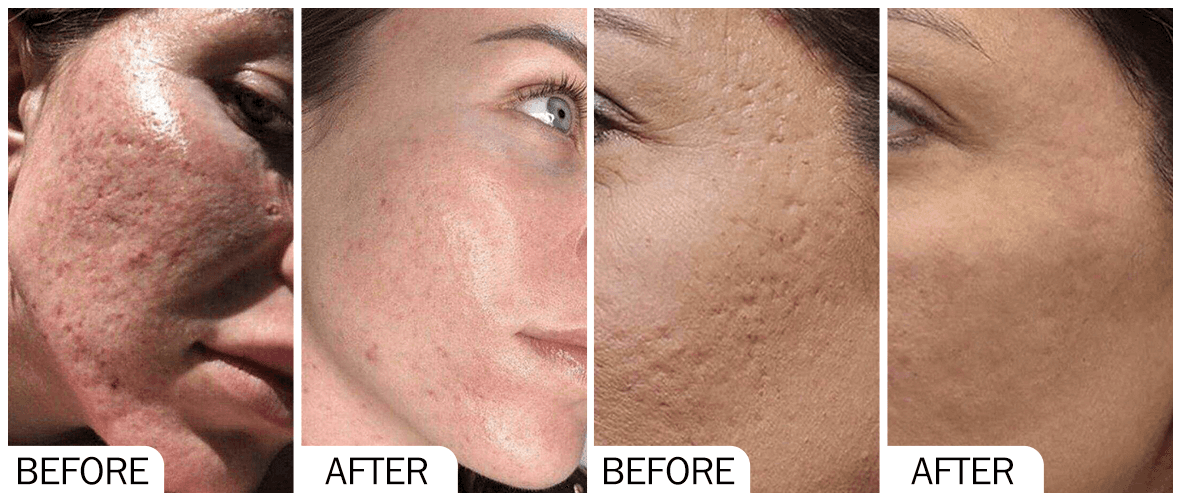
Key Benefits of PDRN for Skin
Below are the benefits most commonly associated with PDRN in skincare—organized the way many users search for them.
Skin regeneration
PDRN is positioned as a repair-support ingredient. Users often look for it when skin feels “stressed,” rough, or slower to rebound after irritation.
Collagen stimulation
Collagen-related improvements typically show up as:
firmer-looking texture,
smoother surfaces,
reduced appearance of fine lines (gradually).
Improved elasticity
Elasticity improvements generally overlap with collagen and hydration stability—skin looks less “tired” and more resilient.
Hydration boost
Even when PDRN isn’t marketed as a hydration-only ingredient, users may experience better comfort and appearance, which can make skin look more hydrated. For pure plumping/ongoing moisture, HA often plays a more direct role.
Reduction in fine lines
This typically appears as “refinement” rather than dramatic change:
less crepey texture,
improved evenness,
fine lines look softer over time.
What Results Can You Expect from PDRN Treatments?
Let’s make expectations realistic. “Results” from skincare depend on many factors: baseline skin condition, consistency, formula quality, how your skin tolerates it, and whether your routine supports recovery (gentle cleansing, proper sunscreen, and barrier-friendly hydration).
Here’s a commonly helpful way to think about timing—not as a promise, but as a practical expectation pattern.
Immediate/short-term signals (1 week)
Within about a week, some people report:
improved comfort (less “tight” or stressed feeling),
slightly smoother-looking skin surface,
reduced visible redness if irritation is the main issue.
If you don’t feel dramatic change in week one, that doesn’t necessarily mean PDRN “doesn’t work.” Many repair-oriented ingredients are slower and more subtle.
Noticeable improvements (4 weeks)
Around the 4-week mark, users often look for and may see:
more consistent texture refinement,
gradual improvements in dullness,
softer fine-line appearance (especially when paired with sun protection and gentle routine discipline).
This is also where you can evaluate tolerance: if you’re getting stable comfort without irritation, continue consistently.
Longer recovery and texture changes (8 weeks)
At about 8 weeks, the goal is typically:
clearer improvement in texture and elasticity,
more stable “skin quality” look (not just a temporary glow),
reduction in the appearance of fine lines and unevenness.
If you’re comparing multiple repair ingredients, 8 weeks is usually enough time to judge whether your skin responds positively to PDRN in your routine.
Who tends to see results most clearly
PDRN tends to be most compelling for people who:
want repair rather than only hydration,
are dealing with irritation recovery or age-related texture changes,
can commit to consistent use (and good sunscreen habits).
If you’re targeting sensitive-skin recovery, your “success metric” may be skin stability first, and cosmetic improvement second.
PDRN vs HA Skin Boosters: Which Is Better?
This is one of the most common questions because HA and PDRN both show up in “skin booster” conversations—but they work in different directions.
Mechanism comparison (repair vs hydration)
HA (hyaluronic acid) is primarily about hydration and immediate plumping support. It helps skin hold water and look smoother right away for many people.
PDRN is positioned as repair/recovery support—more focused on supporting skin’s regenerative processes and reducing inflammation-related stress.
A simple way to decide:
If your top need is hydration and immediate softness, HA often fits first.
If your top need is repair, recovery, and gradual texture refinement, PDRN may be more aligned.
Best use cases
Consider PDRN if you’re:
rebuilding after stress/irritation,
focused on longer-term texture and fine-line softening,
looking for a “recovery ingredient.”
Consider HA if you’re:
trying to boost comfort quickly,
dealing with dehydration lines,
prioritizing plumpness and immediate glow.
And yes—many routines include both (layered thoughtfully).
PDRN vs PN: What’s the Real Difference?
This comparison is tricky because “PN” can be used as shorthand for broader categories of polynucleotides, and formulations vary significantly between brands. That’s why two products with similar-sounding names can behave differently.
What “PN” usually means and why formulations vary
PDRN is specifically Polydeoxyribonucleotide.
PN is often used more generally to refer to polynucleotide derivatives, which may not be identical in structure, composition, or intended function.
Because skincare outcomes depend on what’s inside the bottle, not just the marketing label, the best choice usually comes down to:
ingredient specificity (what exactly is it?),
formulation quality,
concentration and product design,
and how your skin responds.
How to choose between products
When comparing PDRN vs PN, look beyond naming:
Check the ingredient description: does it clearly state PDRN / type / source?
Choose products with transparent labeling.
Patch test—especially if you’ve had reactions to DNA-derived or marine-derived ingredients.
If you’re considering injections, only proceed under qualified medical supervision.
Is PDRN Safe? Side Effects and Considerations
If you take one message from this article, make it this: PDRN is not automatically safe for everyone, but it can be safe when used correctly, with the right product and proper precautions.
(Internal link is your safety-focused content page if you have one; otherwise keep this section robust.)
Common mild side effects
With skincare actives, mild reactions can occur, particularly during the adjustment period:
redness,
slight stinging or warmth,
mild dryness or tightness.
More serious reactions are less common, but any signs of allergy (itching, swelling, hives) require stopping and seeking medical advice.
Medical vs skincare use
PDRN serum: generally involves topical exposure. Safety is influenced by product formula, frequency, and your skin sensitivity.
PDRN injection: is a medical procedure. Safety depends on clinician expertise, sterile technique, correct indications, and post-procedure care. Do not treat injections as DIY.
A practical safety checklist before you start
Patch test 24–48 hours before full-face use (especially if you have sensitive skin).
Avoid applying on broken skin unless your dermatologist specifically advises it.
If you have fish/marine allergies, be extra cautious and consult a clinician.
Keep your routine barrier-friendly: gentle cleanser, moisturizer, and consistent sunscreen.
If you have an active irritation flare, stabilize first—don’t “stack” new actives.
How to Use PDRN (Serum vs Injection)
At-home serum routine (general best practices)
For most PDRN serums, a cautious, barrier-friendly approach works well:
Cleanse gently.
Apply PDRN serum (often once daily or a few times per week at first).
Follow with moisturizer.
Use sunscreen during the day.
Start slow if you’re sensitive; consistency typically matters more than frequency.
Layering tips:
You can often pair PDRN with HA if your goal is both repair support and hydration.
Vitamin C can be compatible in many routines, but if you’re reactive, introduce it gradually. If you experience stinging or irritation, pause and simplify your routine.
Clinic injection expectations (general)
Injection protocols vary by medical practice and indication. A responsible baseline is:
only receive injections from qualified professionals,
follow post-procedure instructions,
avoid introducing multiple new strong actives at the same time.
If you’re considering injections for recovery, ask your clinician about expected comfort, downtime, and a realistic timeline.
Using frequency and consistency as your “success lever”
Repair-focused ingredients generally perform best when your routine is stable:
consistent application,
no unnecessary over-exfoliation,
and strong UV protection.
Who Should Use PDRN?
PDRN can appeal to multiple skin goals, but it’s especially relevant for people who want repair rather than only cosmetic masking.
Aging/texture-focused users
If you’re noticing:
fine lines,
uneven texture,
reduced bounce,
PDRN may fit as part of a longer-term improvement routine—especially with sunscreen and a supportive moisturizer.
Post-procedure and repair-seeking users
Many people consider repair ingredients after:
irritation episodes,
overly aggressive routines,
or clinical aesthetic work (with clinician guidance).
Sensitive skin users (with extra caution)
Sensitive skin users may be drawn to PDRN because it’s framed as anti-inflammatory/repair-supportive. Still, “gentle” doesn’t mean “immune to irritation.” Always patch test and introduce slowly.
FAQs
1) What does PDRN do for skin?
PDRN (Polydeoxyribonucleotide) is used in skincare to support skin repair and recovery, often described as helping with DNA repair-related activity and anti-inflammatory signaling. Individual results vary based on formulation and routine.
2) Is PDRN better than hyaluronic acid?
It depends on your goal. HA primarily supports hydration and plumping, while PDRN is positioned for repair and longer-term texture support. Many routines can use both.
3) How long does PDRN take to work?
A practical expectation pattern is: some comfort/appearance changes may appear within 1 week, more noticeable improvements often show around 4 weeks, and texture-related gains are typically clearer around 8 weeks—assuming consistent use and good sun protection.
4) Is salmon PDRN safe?
For most people, properly formulated topical PDRN can be safe, but sensitivity varies. If you have marine/fish allergies, use extra caution and consult a clinician. Always patch test and stop if you get unusual irritation.
5) Can PDRN boost collagen?
PDRN is commonly marketed as supporting collagen-related remodeling through skin recovery mechanisms. Collagen improvement is gradual, and results vary—so treat it as support for the skin’s remodeling, not an instant filler effect.
6) PDRN serum vs injection—what’s the difference?
Serum is an at-home topical routine. Injection is a medical procedure with different risk considerations, protocols, and expected timelines. Choose based on your needs and under professional guidance.
其他博客