博客
PDRN Hyaluronic Acid Serum for Brightening: How It Works and Why Clinics Are Adding It to Their Menu
作者
Ray
已发布
类别
PDRN Serum
PDRN Hyaluronic Acid Serum for Brightening: How It Works and Why Clinics Are Adding It to Their Menu meta-description: A closer look at Rveiling® PDRN Hyaluronic Acid Facial Lifting Serum — ingredients, mesotherapy protocol, safety profile, and what buyers should check before sourcing.


作者
Ray
一位享有盛誉的医学美学专家,在该领域拥有40年的深厚经验。凭借在非侵入性手术、抗衰老科学以及先进皮肤病学解决方案方面的数十年专业知识,作者致力于分享将临床创新与真实患者成果相结合的见解。热衷于为全球客户推进安全、有效且高影响力的美学治疗。
还有什么比内部优惠、专业建议和惊喜更好的呢?
注册可每周在您的电子邮件中接收最新的博客文章。
立即加入。
Our company’s main product lines include HA (Hyaluronic Acid) fillers, CaHA (Calcium Hydroxylapatite) fillers, PLLA (Poly-L-Lactic Acid) biostimulators, and other advanced aesthetic solutions, all developed and manufactured by trusted partner facilities with whom we have maintained long-term, stable collaborations.
I help them with sales and export operations, while our company also provides sourcing and procurement services in China to help international clients solve supply-related challenges. If you need assistance with procurement, please feel free to contact us.
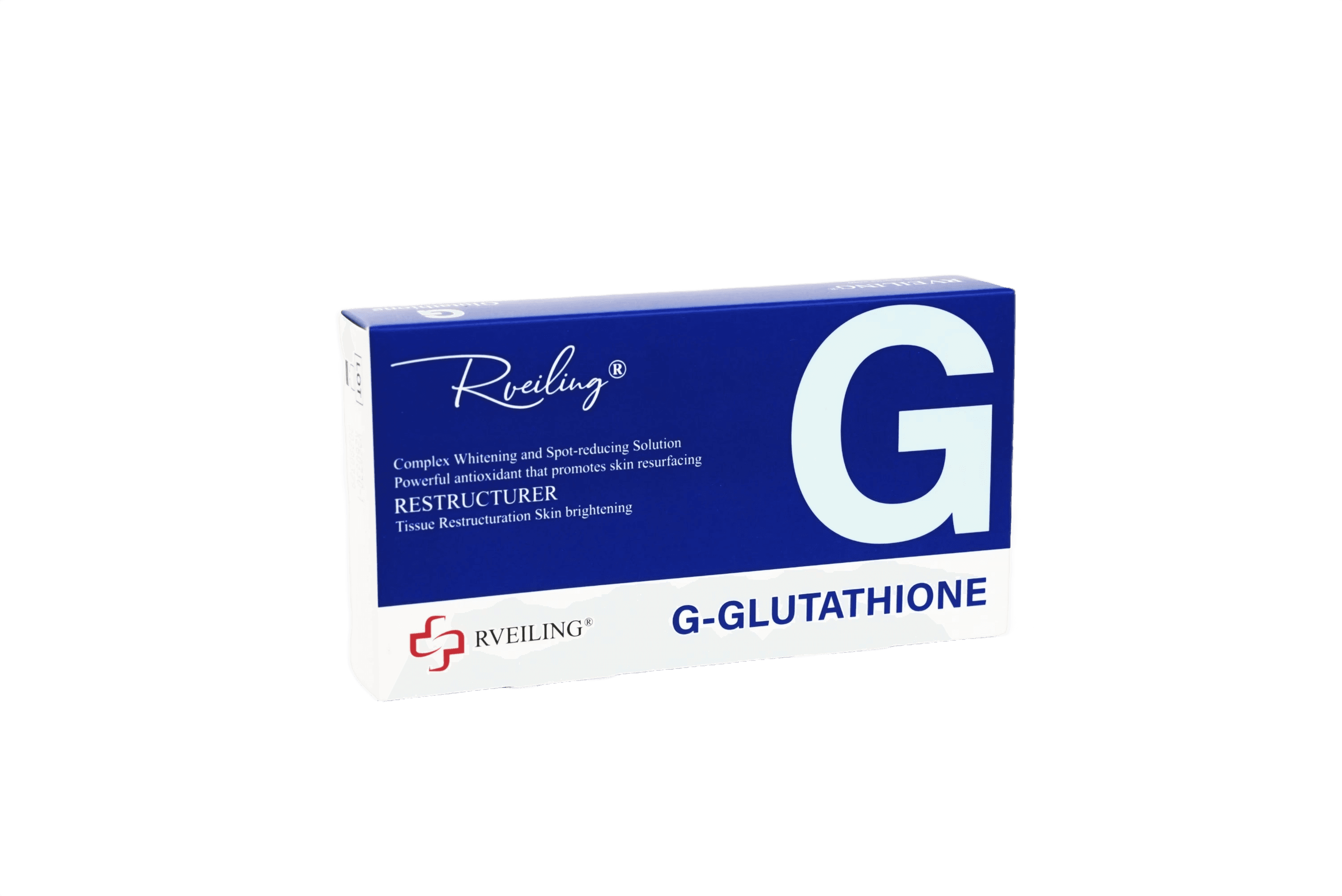
Uneven skin tone, dullness, and stubborn dark spots remain some of the most common complaints walking into aesthetic clinics — and also some of the hardest to treat with a single active ingredient. That's the gap PDRN (polydeoxyribonucleotide) mesotherapy serums are increasingly being positioned to fill. This article breaks down one such formulation, the Rveiling® PDRN Hyaluronic Acid Facial Lifting Serum, looking at what's actually in it, how the treatment is performed, and what distributors and clinics should be paying attention to before sourcing.
What Is a PDRN Hyaluronic Acid Serum?
PDRN is a DNA-derived biomolecule long used in regenerative medicine for its role in tissue repair, and it has migrated into aesthetics as a skin-quality ingredient rather than a direct pigment bleach. Paired with hyaluronic acid — the reference ingredient for hydration and volume — the combination is generally marketed less as an aggressive whitening agent and more as a repair-and-hydrate system that supports a smoother, plumper, more radiant-looking complexion over time.
The Rveiling® formula pushes this further by building a four-ingredient core specifically aimed at pigmentation concerns:
PDRN – supports tissue repair and overall skin resilience
Tranexamic acid – a well-studied ingredient for addressing uneven pigmentation
Glutathione – an antioxidant associated with skin brightness and oxidative stress reduction
Ascorbyl glucoside – a stable vitamin C derivative that supports tone evenness
Sodium hyaluronate rounds out the formula, contributing the hydration and barrier-support side of the equation.
How the Formula Is Meant to Work
According to the product's own positioning, the combination works on two fronts simultaneously:
Pigment-focused action — PDRN, tranexamic acid, glutathione, and ascorbyl glucoside are combined to target melanin production at the source, aimed at brightening uneven tone and reducing the visible appearance of dark spots.
Repair and hydration — PDRN, glutathione, and sodium hyaluronate work together to address oxidative damage, support lasting hydration, and improve skin resilience.
In practice, this means the "brightening" effect is best understood as the product's own materials describe it: a byproduct of better hydration, smoother texture, and reduced oxidative stress, rather than a single-mechanism whitening claim.
Product Specifications
Attribute | Detail |
|---|---|
Brand | Rveiling® |
Type | Brightening, dark spot fading |
Place of origin | China |
Packaging | 5ml single-dose brown glass ampoule, light-proof and oxidation-resistant |
Box specification | 5 vials per box |
Storage | 2–8°C, refrigerated, away from light; do not freeze |
Shelf life | 24 months unopened; once opened, must be used immediately (no refrigeration for reuse) |
Transport | Room temperature transport should not exceed 30°C or 1 month; otherwise cold chain required |
Injection depth | 0.5mm–1mm |
Recommended frequency | Once every 2 weeks |
Format | Ready-to-use, sterile, single-use vial |
The Mesotherapy Protocol
Because this is formulated for professional injection/microneedling use rather than at-home application, the manufacturer publishes a full clinical protocol alongside the product:
Pre-treatment preparation
Cleanse the treatment area thoroughly to remove dirt and oil
Disinfect skin and derma roller with 75% alcohol
Apply anesthetic cream 15 minutes beforehand for sensitive skin, then wipe off before proceeding
Procedure
Apply the serum evenly, focusing on hyperpigmented and dull areas
Roll in a spiral or grid pattern with light to medium pressure, adjusting for skin tolerance
Roll each area twice, with extra passes over more pigmented spots
Pat any remaining serum until absorbed; avoid heavy massage
Post-procedure care
Avoid water contact for 24 hours; use sterile cold compresses for 15–20 minutes to reduce redness
Use a gentle, alcohol- and acid-free moisturizer for 3–5 days
Strict sun protection to prevent UV-triggered hyperpigmentation
Mild redness, dryness, or pinprick marks after treatment are described as normal and typically resolve within 2–3 days.
Who Shouldn't Use This Product
The manufacturer lists clear contraindications that any clinic or distributor should communicate downstream:
Absolute contraindications
Known allergy to any component (e.g., tranexamic acid, niacinamide)
Acute inflammatory skin conditions (active acne, eczema, sunburn) or open wounds
Pregnancy or breastfeeding
Active melasma or other abnormal pigmentation disorders
Coagulation disorders or current anticoagulant use (e.g., warfarin)
Relative contraindications
Recent laser treatment or chemical peel within the past week
Saunas, strenuous exercise, or photosensitizing foods (e.g., celery, lemon) for one week post-treatment
If redness, swelling, itching, rash, or worsening pigmentation persists beyond 3 days, the manufacturer advises discontinuing use and seeking medical attention. The product is explicitly positioned for use by trained medical professionals only, with particular caution advised around already-pigmented areas to avoid excess pressure that could worsen discoloration.
What Sets This Formulation Apart
For buyers comparing suppliers, AOWITA points to three areas of differentiation:
Ingredient grade. The formula uses hyaluronic acid sourced at a significantly higher cost point (up to $45,000/kg) compared to the lower-cost HA variants (around $10,000/kg) commonly used by competitors, positioning it as a premium-tier input rather than a diluted peptide blend.
Packaging standard. Ampoules are pharmaceutical-grade borosilicate glass with a defect-free inner lining, sealed with medical-grade silicone stoppers and tamper-evident aluminum flip-off caps — a step up from suppliers using standard glass and non-medical-grade seals.
Consistency. The sterile, single-use, ready-to-inject format is designed to minimize contamination risk and reduce batch-to-batch variability, which matters for clinics running repeat treatment cycles.
What Buyers Should Check Before Sourcing
If you're evaluating PDRN hyaluronic acid serums for distribution, a few due-diligence points are worth prioritizing:
Formula transparency — does the supplier clearly explain PDRN's role and disclose concentration or ppm where possible?
Supporting ingredients — is PDRN paired with complementary actives (HA, panthenol, niacinamide, antioxidants) with a clear formulation rationale?
Packaging integrity — pharmaceutical-grade glass, proper sealing, and light protection matter for a product stored cold and used sterile.
Documentation — clear storage, transport, and shelf-life specifications, plus a defined clinical protocol for end users.
Market fit — texture, packaging format, and positioning suited to the target clinic or retail channel.
FAQ
1. What does a PDRN Hyaluronic Acid Serum do for brightening?
It's best understood as a serum that supports a more hydrated, smoother, and more radiant-looking complexion rather than a direct bleach-like brightening product. Topical PDRN is generally associated with barrier support and overall skin-quality improvement, while hyaluronic acid supports plumpness and hydration — together producing a "brightening" effect that comes from improved skin condition rather than aggressive pigment correction alone.
2. Is this serum suitable for dull, dehydrated skin?
Yes — both hero ingredients are hydration- and repair-oriented, making the formula a reasonable fit for dullness caused by dehydration. If dullness is primarily driven by persistent discoloration or post-acne marks, a dedicated pigment-focused active may still be needed alongside it.
3. Can it replace a vitamin C or niacinamide brightening serum?
Not entirely. This formula supports radiance, hydration, and recovery, but it's more accurately positioned as a supportive or recovery-focused product rather than a full replacement for pigment-targeted actives like vitamin C or niacinamide, which are often used alongside PDRN rather than instead of it.
4. How is it used for best results?
As a professional-use mesotherapy product, it's applied by a trained practitioner via microneedling or injection, typically once every 2 weeks, following the pre-treatment, procedure, and post-care steps outlined above. Daytime sun protection afterward is essential to maintaining results.
5. What should buyers look for in a manufacturer?
Beyond the marketing headline, look for formula transparency, ingredient rationale, pharmaceutical-grade packaging, and clear documentation on storage, shelf life, and clinical protocol — the difference between a credible supplier and a repackaged commodity product usually shows up in these details.
其他博客