Blog
PLLA-PEG Injectable Filler: A Complete Guide for Aesthetic Brands and Clinics
Author
Ray
Published
Category
PLLA-PEG Filler
Learn how PLLA-PEG injectable fillers work, including collagen stimulation, microsphere technology, advantages over HA fillers, applications, manufacturing and supplier selection.


Author
Ray
An esteemed medical aesthetics expert with 40 years of profound experience in the field. With decades of expertise in non-invasive procedures, anti-aging science, and advanced dermatological solutions, the author is dedicated to sharing insights that connect clinical innovation with real-world patient results. Passionate about advancing safe, effective, and high-impact aesthetic treatments for a global clientele.
What’s better than insider perks, pro tips, and surprises?
Sign up to get the most recent blog articles in your email every week.
Join now.
Our company’s main product lines include HA (Hyaluronic Acid) fillers, CaHA (Calcium Hydroxylapatite) fillers, PLLA (Poly-L-Lactic Acid) biostimulators, and other advanced aesthetic solutions, all developed and manufactured by trusted partner facilities with whom we have maintained long-term, stable collaborations.
I help them with sales and export operations, while our company also provides sourcing and procurement services in China to help international clients solve supply-related challenges. If you need assistance with procurement, please feel free to contact us.
Introduction
The aesthetic industry is moving from traditional volume replacement toward regenerative injectable solutions that focus on stimulating natural tissue remodeling.
While hyaluronic acid (HA) fillers remain one of the most widely used injectable aesthetic products, collagen-stimulating fillers have gained increasing attention because they support gradual improvement through biological regeneration.
PLLA-PEG injectable filler represents an advanced category of regenerative aesthetic products based on poly-L-lactic acid (PLLA) technology combined with polyethylene glycol (PEG)-related polymer modification.
Unlike HA fillers, which mainly provide immediate volume through a gel structure, PLLA-based fillers are designed to stimulate collagen production after injection, supporting gradual tissue remodeling.
PLLA is a biodegradable polymer widely used in medical applications. Injectable PLLA fillers work through a collagen stimulation mechanism where PLLA particles encourage fibroblast activity and extracellular matrix remodeling.
For aesthetic brands, distributors and OEM buyers, understanding PLLA-PEG technology is important when developing next-generation injectable product portfolios.
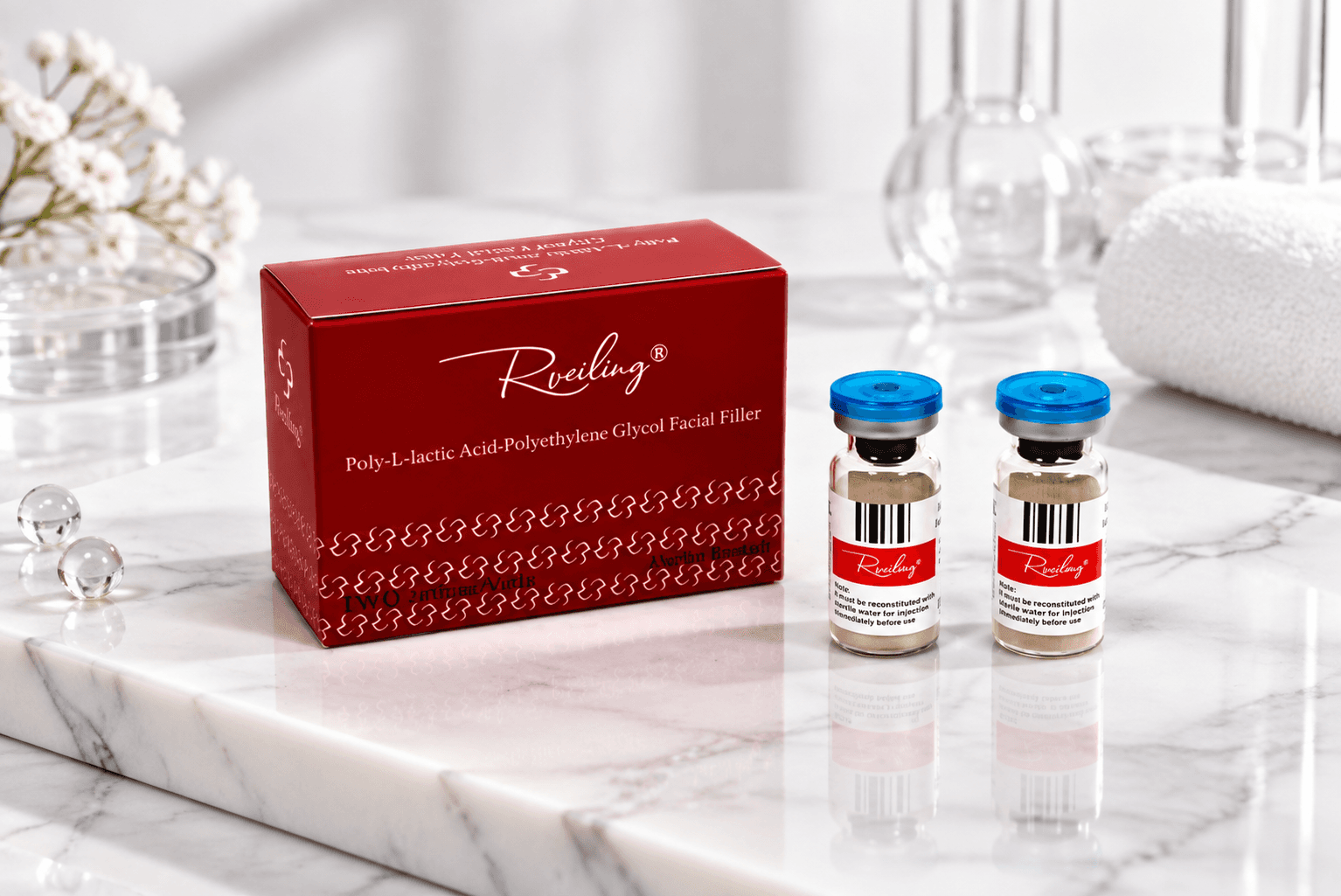
What Is PLLA-PEG Injectable Filler?
Understanding PLLA-Based Collagen Stimulators
PLLA stands for poly-L-lactic acid, a biodegradable synthetic polymer.
Unlike traditional HA fillers, PLLA fillers are not designed only to replace lost volume.
Their primary mechanism involves:
Injectable PLLA particles
Controlled biological response
Fibroblast activation
New collagen formation
Gradual tissue improvement
This makes PLLA a type of collagen biostimulator.
The Role of PEG in PLLA-PEG Technology
PEG refers to polyethylene glycol, a hydrophilic polymer used in biomedical material development.
In PLLA-PEG systems, PEG modification can influence:
Polymer interaction
Hydrophilic properties
Material dispersion
Formulation behavior
The objective is to create a more optimized injectable polymer system with controlled physical and biological characteristics.
How Does PLLA-PEG Injectable Filler Work?
Immediate Tissue Support
After injection, PLLA-PEG filler provides an initial structural presence within the treatment area.
However, unlike HA filler, the main purpose is not only immediate volume replacement.
The long-term effect depends on the body's remodeling response.
Collagen Stimulation Process
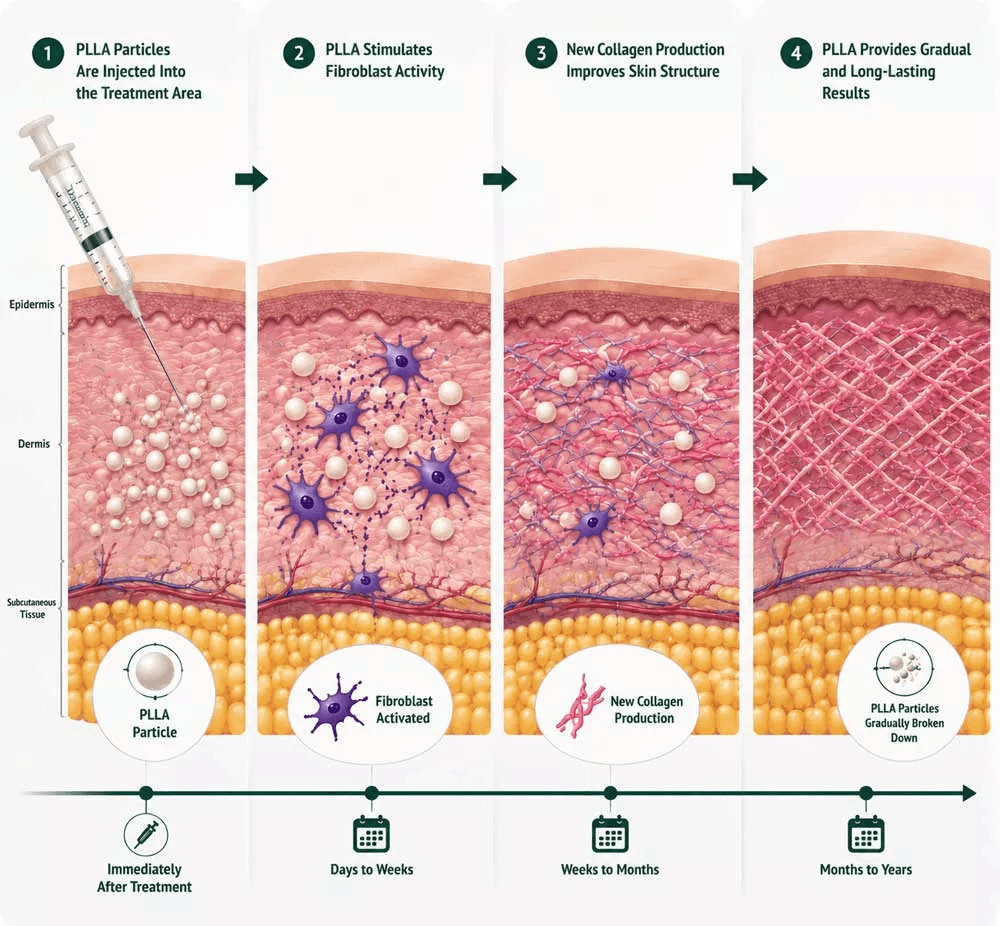
The general mechanism includes:
PLLA Particle Deposition
PLLA particles remain temporarily within the tissue.
Biological Response
The body recognizes the biodegradable material and initiates a controlled response.
Fibroblast Activation
Fibroblasts produce extracellular matrix components including collagen.
Tissue Remodeling
New collagen gradually improves tissue structure and firmness.
Collagen is an essential structural protein responsible for skin strength and elasticity, and collagen production naturally decreases with aging.
PLLA-PEG Filler vs Hyaluronic Acid Filler
Different Mechanisms of Action
Feature | PLLA-PEG Filler | HA Filler |
|---|---|---|
Main material | Poly-L-lactic acid polymer | Hyaluronic acid gel |
Primary mechanism | Collagen stimulation | Immediate volume replacement |
Result timeline | Gradual improvement | Immediate effect |
Biological process | Tissue remodeling | Gel volumization |
Product category | Biostimulator | Dermal filler |
Different Product Positioning
PLLA-PEG and HA fillers serve different market needs.
HA fillers are commonly positioned for:
Immediate contouring
Facial volume correction
Wrinkle filling
PLLA-PEG fillers are positioned around:
Collagen stimulation
Natural-looking rejuvenation
Long-term aesthetic improvement
For aesthetic brands, both technologies can complement each other within a complete injectable portfolio.
Key Advantages of PLLA-PEG Injectable Filler
Collagen-Stimulating Technology
The main difference between PLLA-PEG fillers and traditional fillers is the regenerative approach.
Instead of only adding external volume, PLLA technology supports the body's own collagen remodeling process.
Gradual Natural-Looking Results
Because collagen production takes time, PLLA-PEG fillers are generally associated with progressive improvement.
This gradual development is attractive for patients and clinics seeking natural aesthetic outcomes.
Long-Term Product Portfolio Opportunity
For distributors and brands, PLLA-PEG fillers provide an opportunity to expand beyond traditional HA products.
A modern aesthetic portfolio may include:
HA fillers
PLLA-PEG collagen stimulators
Skin boosters
Regenerative products
PLLA-PEG Microsphere Technology
Importance of Particle Characteristics
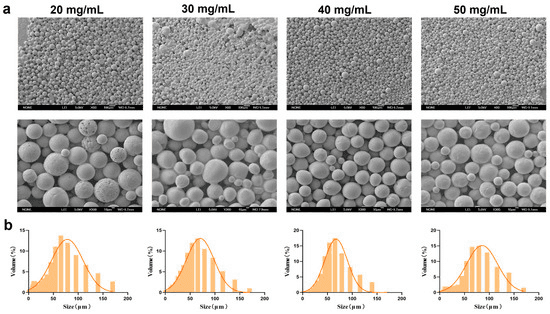
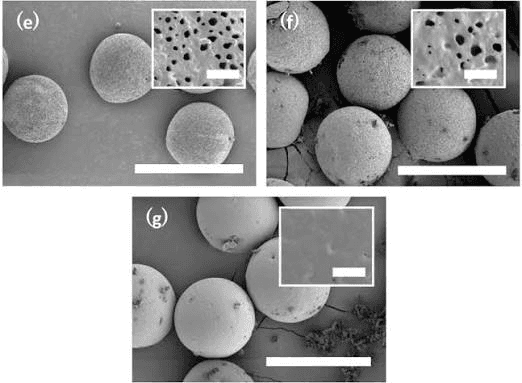
The quality of PLLA injectable products depends heavily on particle engineering.
Important parameters include:
Particle size
Particle distribution
Surface characteristics
Dispersion stability
Consistent particle design helps manufacturers achieve predictable product performance.
Polymer Biocompatibility
A professional PLLA-PEG manufacturer evaluates:
Polymer purity
Material consistency
Degradation behavior
Manufacturing control
The final product depends on the complete formulation system rather than one individual ingredient.
PLLA-PEG Injectable Filler Applications
Facial Volume Restoration
PLLA-PEG fillers may be used in aesthetic strategies involving:
Age-related volume reduction
Facial contour improvement
Tissue support
Skin Quality Improvement
Collagen stimulation approaches are increasingly used for improving:
Skin firmness
Skin texture
Overall rejuvenation
PLLA-PEG Manufacturing Process
Raw Material Preparation
Production begins with controlled polymer materials.
Manufacturers evaluate:
Material quality
Purity
Consistency
Microsphere Production
PLLA particles require controlled manufacturing.
Important factors include:
Particle uniformity
Size distribution
Stability
Formulation Development
The manufacturer optimizes:
Injectable characteristics
Suspension stability
Product consistency
Quality Control and Sterilization
Professional injectable manufacturing requires:
Sterility testing
Batch testing
Packaging control
Traceability
How to Choose a PLLA-PEG Filler Manufacturer?
Evaluate Technical Capability
A qualified manufacturer should understand:
Polymer science
Injectable formulation
Particle engineering
Quality control
Review Manufacturing System
Important evaluation factors include:
Production facility
Quality management
Manufacturing experience
Batch consistency
Check OEM Capability
For aesthetic brands, OEM support may include:
Customized packaging
Private label development
Product documentation
Long-term supply
PLLA-PEG Filler OEM Opportunities
Private Label Development
Brands can work with manufacturers to develop:
Brand identity
Product packaging
Market positioning
Long-Term Manufacturing Partnership
A reliable supplier should provide:
Stable production capacity
Technical support
Consistent quality
Supply scalability
Aowita PLLA-PEG Injectable Filler Solution
Aowita develops regenerative aesthetic injectable solutions including PLLA-PEG based products.
The PLLA-PEG product platform focuses on:
Collagen stimulation technology
Polymer-based injectable solutions
Professional aesthetic applications
For distributors and aesthetic brands, PLLA-PEG fillers represent an opportunity to expand product portfolios beyond traditional HA fillers.
Aowita supports partners through:
Product development
Manufacturing capability
OEM cooperation
Technical support
Conclusion
PLLA-PEG injectable filler represents an important direction in regenerative aesthetic technology.
Unlike traditional HA fillers that mainly provide immediate volume, PLLA-PEG technology focuses on supporting gradual collagen stimulation and tissue remodeling.
For aesthetic brands, distributors and clinics, selecting the right PLLA-PEG manufacturer requires evaluation of:
Polymer technology
Product design
Manufacturing quality
Documentation
OEM capability
A reliable PLLA-PEG supplier should provide not only a product, but also technical expertise and long-term manufacturing support.
Frequently Asked Questions
What is PLLA-PEG injectable filler?
PLLA-PEG injectable filler is a regenerative injectable product based on poly-L-lactic acid technology combined with PEG-related polymer modification.
How is PLLA-PEG different from HA filler?
HA fillers mainly provide immediate volume, while PLLA-PEG fillers focus on stimulating collagen remodeling.
Does PLLA filler provide immediate results?
PLLA fillers are generally associated with gradual improvement because results depend on collagen production.
What is a collagen stimulator?
A collagen stimulator is an injectable product designed to encourage natural collagen formation.
How do I choose a PLLA filler manufacturer?
Evaluate technical capability, manufacturing quality, documentation, OEM support and supply reliability.
Other Blogs


