Blog
PLLA-PEG vs HA Fillers: What’s the Difference?
Author
Ray
Published
Category
PLLA-PEG Filler
Compare PLLA-PEG vs HA fillers by results, longevity, feel, reversibility, and best use cases for facial volume loss.

Author
Ray
An esteemed medical aesthetics expert with 40 years of profound experience in the field. With decades of expertise in non-invasive procedures, anti-aging science, and advanced dermatological solutions, the author is dedicated to sharing insights that connect clinical innovation with real-world patient results. Passionate about advancing safe, effective, and high-impact aesthetic treatments for a global clientele.
What’s better than insider perks, pro tips, and surprises?
Sign up to get the most recent blog articles in your email every week.
Join now.
Our company’s main product lines include HA (Hyaluronic Acid) fillers, CaHA (Calcium Hydroxylapatite) fillers, PLLA (Poly-L-Lactic Acid) biostimulators, and other advanced aesthetic solutions, all developed and manufactured by trusted partner facilities with whom we have maintained long-term, stable collaborations.
I help them with sales and export operations, while our company also provides sourcing and procurement services in China to help international clients solve supply-related challenges. If you need assistance with procurement, please feel free to contact us.
If you are comparing PLLA-PEG vs HA fillers, the biggest difference is this: HA fillers typically provide immediate, gel-based volume, while PLLA-PEG fillers are generally framed as collagen-stimulating or biostimulatory options designed for more gradual improvement. In practical terms, that means the choice is often less about which filler is “better” and more about what kind of result you want, how quickly you want to see it, how much flexibility you want after treatment, and whether your concern is precise contouring or broader facial volume loss.
For many patients, this is the real decision point: instant correction and adjustability vs gradual structural improvement and longer-term planning.
PLLA-PEG vs HA Fillers: The Short Answer
Here is the simplest way to think about the comparison:
HA fillers use hyaluronic acid, a substance already found in the body, to create volume directly.
PLLA-PEG fillers are usually positioned as collagen-stimulating fillers, which means they may improve facial support and fullness over time rather than only relying on immediate gel volume.
If your priority is instant correction, predictability, and fine-tuned shaping, HA filler is often the more straightforward category.
If your priority is gradual improvement, a broader volumizing strategy, or a biostimulatory approach, PLLA-PEG may be the more appealing option.
That said, no filler category is universally superior. The better choice is the one that matches your face, your goals, and your risk tolerance.
What Is a PLLA-PEG Filler?
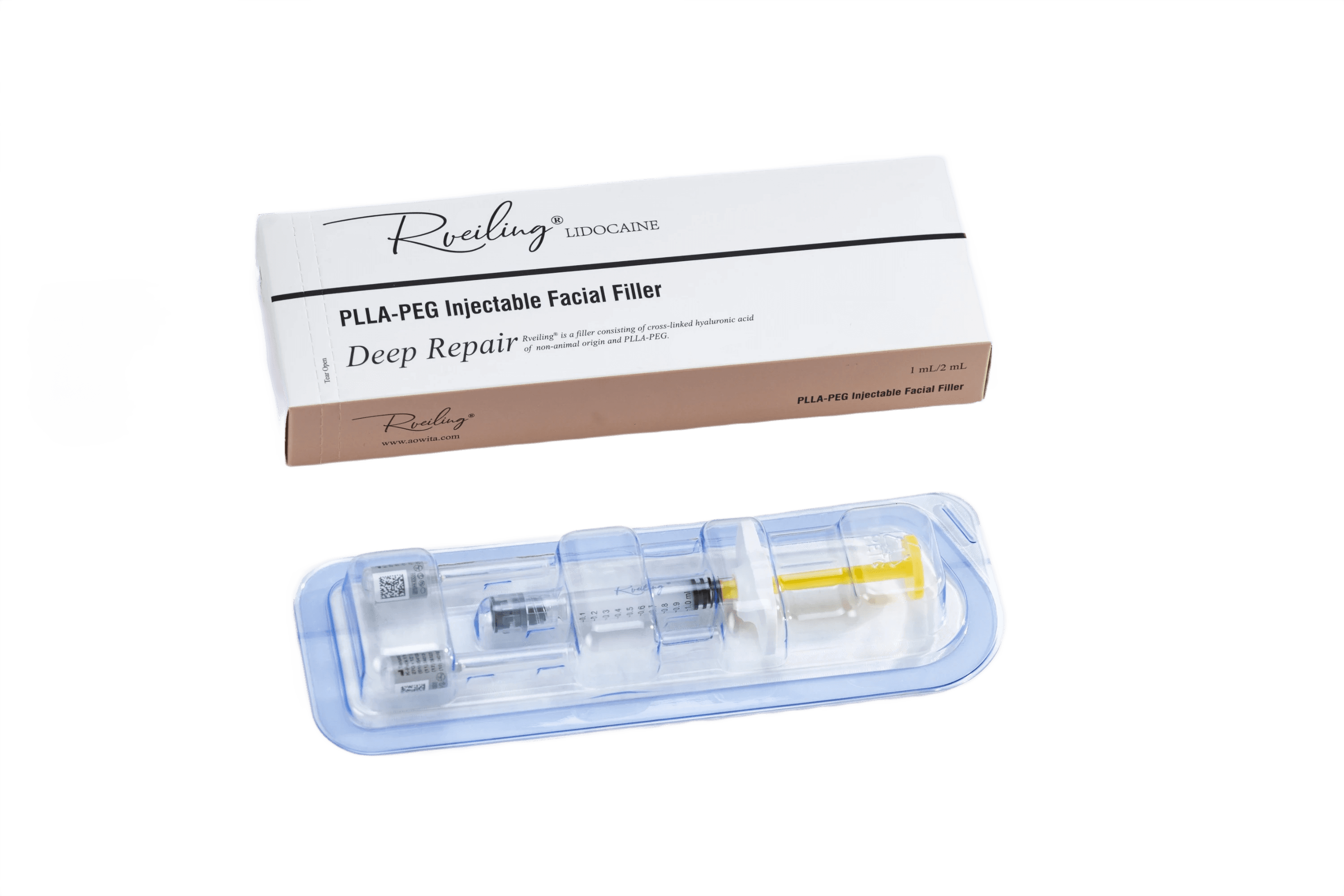
A PLLA-PEG filler belongs to the broader conversation around biostimulatory or collagen stimulating filler treatments. In general, these products are discussed as alternatives to traditional gel-based fillers because their value is not only in occupying space, but in helping the skin and soft tissue appear better supported over time.
Let’s break down the terms:
PLLA commonly refers to poly-L-lactic acid, a material associated with collagen-stimulating aesthetics.
PEG often refers to polyethylene glycol, which may be used in formulation design depending on the product platform.
Exact product behavior, performance profile, and indications can vary by brand and formulation, so highly specific product claims should always be verified with the manufacturer or clinical literature. [source needed]
From a patient perspective, the key idea is simpler than the chemistry: PLLA-PEG filler is usually considered when the treatment goal goes beyond “filling a line” and moves toward restoring support, softness, or volume more gradually.
That makes it relevant in conversations about:
age-related facial volume loss
tissue thinning
diffuse hollowness
structural support
long-term rejuvenation planning
Patients are often drawn to this category when they want results that do not look overly “done” all at once.
What Is an HA Filler?
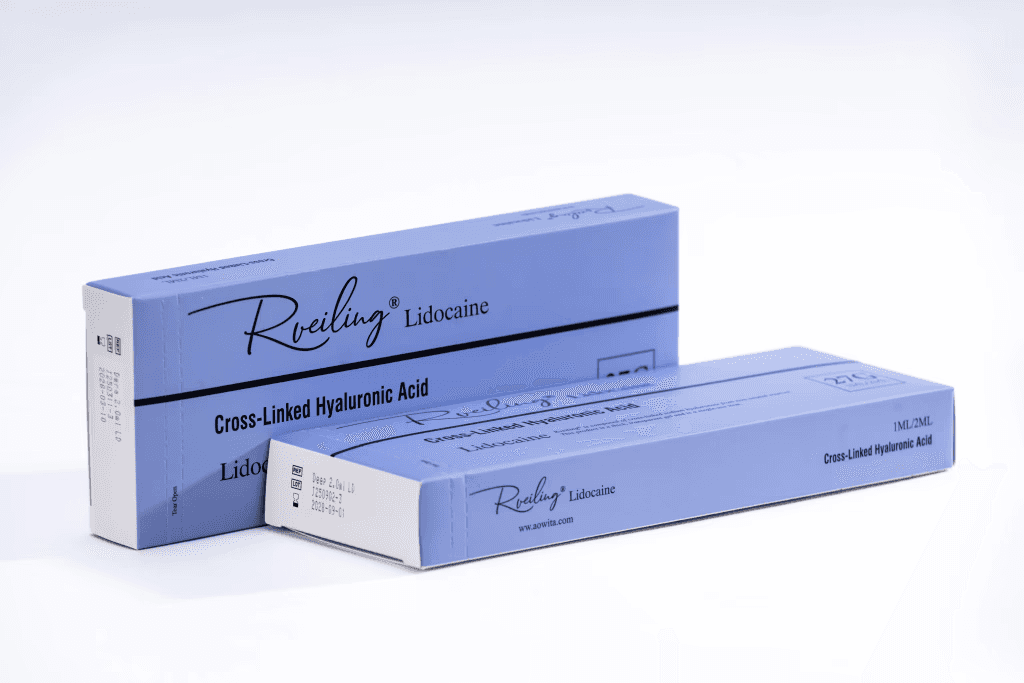
An HA filler, or hyaluronic acid filler, is one of the most widely recognized categories in aesthetic medicine. Hyaluronic acid is a water-binding molecule naturally present in the body, and in filler form it is used to add volume, contour, hydration-related fullness, and shape.
In practical terms, HA filler is often chosen for its versatility. Depending on the product and placement technique, it may be used for:
lips
cheeks
nasolabial folds
marionette lines
under-eye concerns
chin shaping
jawline contouring
temple support
The reason HA fillers remain so popular is not just familiarity. It is that they are often useful when the treatment goal requires precision. If someone wants more lip definition, a smoother transition in a fold, or subtle cheek shaping, HA filler is often the category people first discuss with their injector.
Another major factor is flexibility. HA fillers are widely understood as more adjustable than collagen-stimulating filler categories, which matters to patients who feel more comfortable choosing a treatment they perceive as less committed.
PLLA-PEG vs HA Fillers: Side-by-Side Comparison
How they work
The biggest difference in any dermal filler comparison between these two categories is mechanism.
HA filler works primarily by placing a gel-based substance into the tissue to create volume directly.
PLLA-PEG filler is typically described as a biostimulatory filler, meaning the intended effect may involve a gradual tissue response over time rather than relying only on immediate fill.
That difference affects nearly everything else: onset, feel, ideal use case, and patient expectations.
Speed of results
This is one of the clearest distinctions.
HA fillers are usually associated with immediate visible change.
PLLA-PEG fillers are more often discussed in terms of progressive improvement.
For patients, that difference matters. Some people want to walk out of an appointment seeing a visible enhancement. Others are more interested in a softer, less obvious evolution that unfolds over time.
Neither preference is better. It is simply a different treatment philosophy.
Texture and feel
Texture depends on formulation, area treated, injection depth, and technique, but generally:
HA filler can be selected from a range of consistencies, from soft and flexible to firmer and more structural.
PLLA-PEG filler is often considered less about creating a sharply sculpted gel effect and more about improving tissue quality and support in a broader way.
This is why HA fillers are often favored for areas that require crisp shaping or refined contour control, while biostimulatory options may be discussed for broader facial rejuvenation.
Longevity
Patients often ask which category lasts longer. The honest answer is that longevity varies by formulation, treatment area, metabolism, amount injected, and technique.
Still, the framing is usually this:
HA fillers can provide noticeable correction quickly, but maintenance is often part of long-term treatment planning.
PLLA-PEG fillers may appeal to patients looking for results tied to collagen stimulation and progressive tissue support over time.
Any exact duration claim should be handled carefully unless tied to a specific product label or clinical source. [source needed]
Reversibility
This is one of the most important decision factors and one of the main reasons many patients still prefer HA.
HA filler is generally favored when reversibility or post-treatment flexibility matters.
PLLA-PEG filler, like other collagen-stimulating or biostimulatory categories, is usually not chosen for the same level of quick adjustment.
That does not make one safer by default. It means the planning process matters more when you choose a biostimulatory strategy.
If you are risk-averse, trying filler for the first time, or want a result that can often be refined more easily, HA may feel more approachable.
Best treatment goals
Here is where the comparison becomes practical.
HA filler may be better for:
immediate volume
defined contour
lips and precise shaping
targeted correction
first-time filler patients
patients who value flexibility
PLLA-PEG filler may be better for:
gradual rejuvenation
broader facial volume loss
patients interested in collagen support
long-term treatment planning
subtle improvement that develops over time
PLLA-PEG vs HA Fillers Comparison Table
Factor | PLLA-PEG Filler | HA Filler |
|---|---|---|
Core category | Biostimulatory / collagen stimulating filler | Hyaluronic acid dermal filler |
Primary effect | Gradual improvement and tissue support approach | Immediate gel-based volume and contour |
Results timeline | More progressive | More immediate |
Best for | Diffuse volume loss, long-term rejuvenation strategy | Precision, contouring, quick correction |
Flexibility after treatment | Typically less adjustable | Often considered more adjustable |
Reversibility | More limited in practical terms | Commonly preferred when reversibility matters |
Ideal patient mindset | Comfortable with gradual change | Wants instant visible results |
When PLLA-PEG May Be the Better Choice
A plla-peg filler may make more sense when the patient is not looking for a quick cosmetic tweak, but for a broader rejuvenation plan.
You may be a better candidate for this approach if:
your concern is facial volume loss rather than one isolated crease
you want improvement that develops more gradually
you prefer a less immediately obvious change
you are interested in a collagen stimulating filler
your injector believes tissue support matters more than simple spot-filling
This category can be especially relevant in patients who say things like:
“I look tired or deflated.”
“My face feels like it has flattened over time.”
“I do not just want bigger features. I want my face to look more supported.”
That language usually points to structural volume concerns, not just surface-level lines.
When HA Fillers May Be the Better Choice
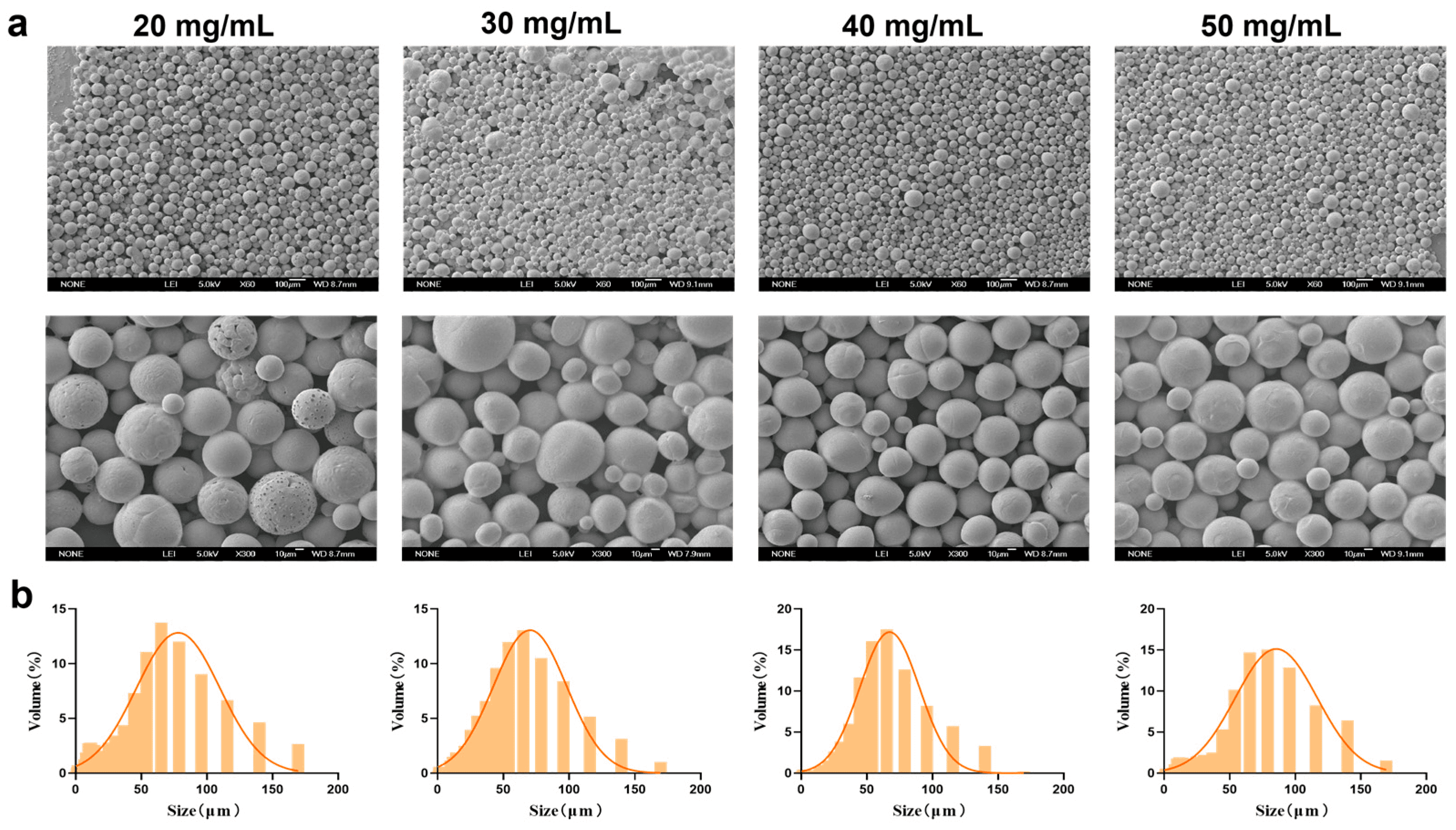
A hyaluronic acid filler may be the better fit when the desired result is more immediate, localized, or shape-driven.
HA filler is often the more intuitive choice if:
you want to see change right away
you want to enhance one specific feature
you are treating lips, folds, or contour details
you are new to filler and want a more flexible starting point
you value the option of a treatment plan that feels less permanent in effect
This is one reason HA remains central in conversations about facial filler types. It is versatile and often suitable for patients who want measurable refinement without committing to a longer unfolding process.
How to Choose Between PLLA-PEG and HA Fillers
If you are wondering which is better PLLA-PEG or HA filler, the most useful question is not “Which one lasts longer?” It is this:
What exactly are you trying to change?
Define your real goal
Do you want:
sharper contour?
more projection?
softer folds?
better support?
restored volume after aging?
gradual rejuvenation rather than instant correction?
People often ask for “filler” when what they really want is one of those outcomes. The outcome determines the category.
Consider your timeline
If you want a result for a near-term event, photos, or a quick confidence boost, HA filler is often easier to understand from a timing standpoint.
If you are comfortable with a slower build and care more about the long view, PLLA-PEG vs hyaluronic acid filler becomes a different conversation, and biostimulation may become more attractive.
Think about flexibility
Some patients love the idea of collagen stimulation. Others feel more comfortable knowing their treatment can be adjusted more easily.
That emotional comfort matters. The best treatment plan is not just medically appropriate. It is one the patient feels confident about.
Match the filler to the area
Not every filler category suits every facial area equally well. Product selection depends on anatomy, tissue thickness, mobility, and safety considerations.
That means the best answer to how does PLLA-PEG filler differ from HA filler is not abstract. It depends on where it is being placed and what the injector is trying to achieve there.
A thoughtful consultation should explain:
why this filler is being recommended for this area
whether the goal is contour, support, or correction
what kind of change you should expect immediately and over time
Questions to Ask at Your Consultation
A smart consultation can save you from choosing the wrong category for the right reason.
Ask questions like:
Am I trying to correct a specific feature, or treat overall facial volume loss?
Will this filler give immediate results, gradual improvement, or both?
Why are you recommending a biostimulatory filler instead of an HA filler for my case?
How will the treated area look and feel in motion?
What is the plan if I want more correction later?
What is the maintenance strategy?
What are the main limitations of this option for my face?
Good injectors welcome these questions. In fact, the quality of the answers often tells you as much as the treatment recommendation itself.
Common Misunderstandings About Biostimulatory and HA Fillers
“Collagen-stimulating fillers are always better because they look more natural.”
Not necessarily. Natural-looking results depend more on patient selection, anatomy, dosing, and injector technique than on category alone.
“HA filler is only for lips.”
False. HA filler can be used in many areas and remains one of the most adaptable tools in facial aesthetics.
“Biostimulatory filler and HA filler do the same thing.”
They may overlap in the broad sense that both relate to volume and rejuvenation, but they do not work the same way or suit the same priorities.
“The longest-lasting option is always the best value.”
Not always. Value depends on whether the result matches your goal, whether you like how it looks, and whether the treatment path fits your comfort level.
“You have to choose one forever.”
Also false. In many real-world treatment plans, practitioners think in combinations and sequencing. A patient may benefit from different filler categories at different times or in different areas, depending on the clinical plan.
Final Thoughts
When comparing PLLA-PEG vs HA fillers, the most important difference is not marketing language. It is the treatment logic behind each category.
HA fillers are typically favored when the goal is immediate volume, clear contour, and flexibility.
PLLA-PEG fillers are generally more relevant when the goal is gradual improvement, collagen support, and broader rejuvenation.
The right choice depends on your anatomy, your tolerance for gradual change, your interest in reversibility, and whether you want precision or a more diffuse volumizing strategy.
If you are unsure how to choose between PLLA-PEG and HA fillers, do not start by asking which one is better in general. Start by asking: What am I trying to improve, and what kind of result do I want to live with over time?
That is the question that leads to a better consultation and, usually, a better outcome.
References
FAQ about PLLA-PEG vs HA Fillers
1. What is the difference between PLLA-PEG and HA fillers?
The main difference is that HA fillers are generally used to create immediate volume and contour, while PLLA-PEG fillers are typically discussed as biostimulatory fillers that support more gradual improvement over time.
2. Which is better: PLLA-PEG or HA filler?
Neither is universally better. HA filler may be better for precision and immediate results, while PLLA-PEG filler may be better for gradual rejuvenation and broader facial volume loss concerns.
3. Is PLLA-PEG a collagen stimulating filler?
It is generally positioned within the collagen stimulating filler or biostimulatory filler conversation, though exact product behavior depends on the specific formulation and should be confirmed with product-specific clinical information.
4. Are HA fillers reversible?
HA fillers are widely preferred when reversibility and post-treatment flexibility matter. Exact treatment options depend on the product used, the area treated, and clinical judgment.
5. Are PLLA-PEG vs HA fillers used for the same areas?
Sometimes they may overlap in broader treatment planning, but not always. The ideal filler depends on the facial area, tissue quality, structural needs, and whether the goal is precise contour or gradual support.
6. How do I choose between PLLA-PEG and HA fillers for facial volume loss?
Start by identifying whether your concern is diffuse facial hollowing or a specific contour issue. Broad volume loss may prompt a conversation about biostimulatory fillers, while targeted shaping may point more clearly toward HA filler.
Other Blogs