Blog
Why Do Hands Age Faster? Causes of Wrinkles, Veins & Volume Loss Explained
Author
Ray
Published
Category
PLLA-PEG Filler
Learn why hands age faster: wrinkles, visible veins, and volume loss—plus practical, evidence-based steps to slow the process.

Author
Ray
An esteemed medical aesthetics expert with 40 years of profound experience in the field. With decades of expertise in non-invasive procedures, anti-aging science, and advanced dermatological solutions, the author is dedicated to sharing insights that connect clinical innovation with real-world patient results. Passionate about advancing safe, effective, and high-impact aesthetic treatments for a global clientele.
What’s better than insider perks, pro tips, and surprises?
Sign up to get the most recent blog articles in your email every week.
Join now.
Our company’s main product lines include HA (Hyaluronic Acid) fillers, CaHA (Calcium Hydroxylapatite) fillers, PLLA (Poly-L-Lactic Acid) biostimulators, and other advanced aesthetic solutions, all developed and manufactured by trusted partner facilities with whom we have maintained long-term, stable collaborations.
I help them with sales and export operations, while our company also provides sourcing and procurement services in China to help international clients solve supply-related challenges. If you need assistance with procurement, please feel free to contact us.
Hands often show aging sooner than face or body—because the hands combine thin skin, high sun exposure, repeated use/micro-trauma, and gradual loss of supporting structures (collagen, elastin, and sometimes subcutaneous fat). The result is a recognizable pattern: wrinkles and crepey texture, more visible veins, and a gradual “hollowing” or volume decrease.
Key takeaway up front: If you want to slow hand aging, focus on the root drivers—especially UV protection and supporting skin barrier + dermal structure—not just “moisturizing more.”
Key Take Takes (Quick Answer)
Hands age faster mainly due to thin skin, UV exposure (photoaging), and wear-and-tear from daily motion.
Wrinkles come from changes in the dermis (collagen/elastin) plus surface texture changes.
Visible veins are often a sign of less cushioning (fat/dermal thinning) and can become more apparent with sun damage.
Volume loss is a mix of fat atrophy and underlying structural changes—not just dehydration.
The highest-impact prevention steps are consistent sunscreen, barrier-friendly moisturizing, and evidence-based actives matched to your goals.
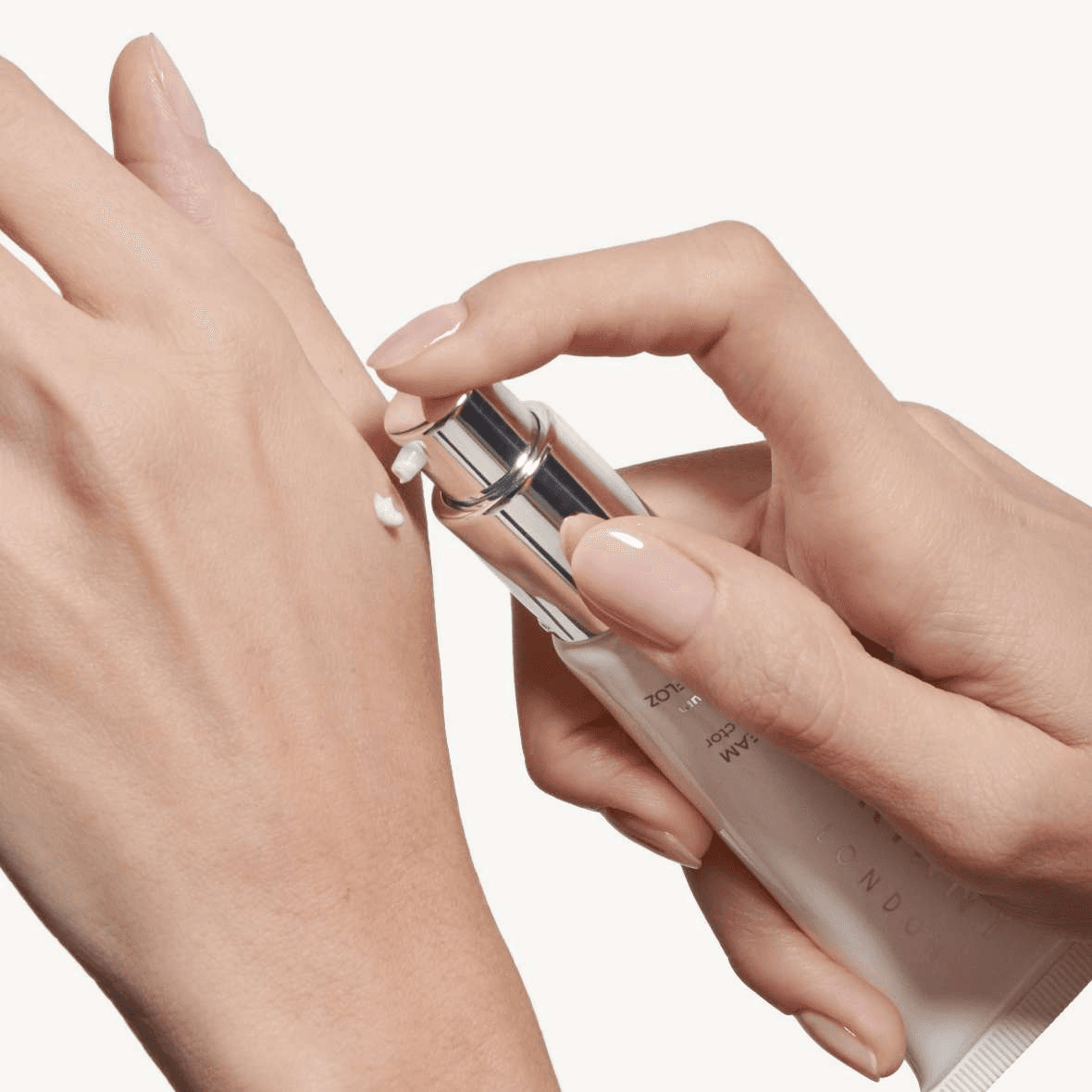
Why Do Hands Age Faster? The 5 Main Drivers
1) Thinner skin + fewer oil glands
The skin on your hands has fewer oil-producing (sebaceous) glands than many other areas. That matters because oil supports the skin barrier and slows water loss. When the barrier weakens, skin can feel:
dry or tight,
rough to the touch,
and more prone to fine creasing.
But dryness is only part of the story. Even with perfect moisturization, hands still age because the deeper “support layers” change over time.
2) More sun exposure than people realize
Hands are constantly exposed—driving, walking, gardening, commuting, and even just reaching outdoors. People often apply sunscreen to the face and forget the backs of the hands, knuckles, and fingertips.
Over years, UV exposure contributes to:
uneven pigment,
early texture changes,
and the structural “photoaging” pattern that often shows first on hands.
3) Collagen and elastin breakdown (photoaging)
Wrinkles aren’t just folds from dehydration. They’re largely related to the loss and disorganization of collagen and elastin in the dermis. UV accelerates these changes by increasing oxidative stress and disrupting normal repair processes.
When the dermal “framework” is less robust, skin:
doesn’t bounce back as well,
forms lines more easily,
and can develop a crepey look.
4) Volume loss: fat + dermal support shrinking
As you age, the hand’s supportive tissue can thin. Subcutaneous fat may decrease, and the dermis may become less thick and less resilient. That combination can make:
tendons and veins more noticeable,
knuckles appear more prominent,
and the overall hand shape look different—sometimes described as “hollow” or “thinner.”
This is why your hands can look older even when they’re well-moisturized.
5) Everyday motion and micro-trauma
Hands are work tools. Repetitive movement plus minor impacts (typing, lifting, cleaning, washing) causes ongoing mechanical stress. Over time, this can contribute to:
surface creasing,
barrier wear,
and slower recovery after irritation.
This doesn’t mean you have to stop using your hands—just that you benefit from protection and repair support.
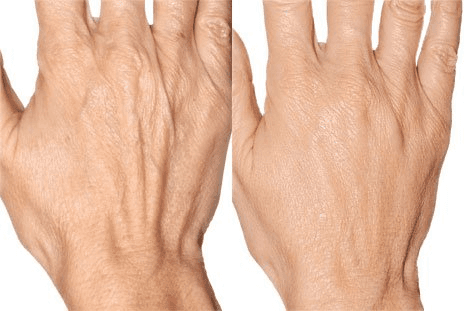
Why You See Wrinkles on Hands (Not Just “Dryness”)
Crepey texture: epidermal/dermal changes over time
Crepey or “paper-like” hand texture often reflects both:
surface layer changes (turnover, barrier integrity), and
deeper dermal changes (collagen and elastin network).
You may notice small improvements in comfort and softness from moisturizers, but the deeper texture typically changes more slowly and responds best to dermal-supporting ingredients and sun protection.
Why retinoids/moisturizers help—why they don’t “reverse” overnight
Moisturizers improve the barrier and reduce roughness. Retinoids (where appropriate) help support normalization of skin cell turnover and can improve texture over time for many users. Still, results are typically gradual because you’re encouraging long-term structural remodeling—not instant replacement.
Practical mindset: “Visible change” usually comes from consistent habits over months, not days.
Why Visible Veins Appear More With Age
Skin thinning and less subcutaneous cushioning
Veins appear when the tissues above them become thinner or less cushioned. With age-related changes in dermis and fat, veins can look:
more raised,
more prominent,
and sometimes more “blue/green” because the overlying tissue is thinner.
This is often normal—especially if it correlates with overall hand thinning and sun-exposed areas.
Sun damage and vascular visibility
Photoaging can contribute by altering skin thickness and structure. So even if the vein itself hasn’t changed dramatically, the “window” over it can.
When “veins” might signal something else
Most visible veins are benign. However, if you have symptoms like:
pain,
sudden swelling,
discoloration that’s new and spreading,
warmth or tenderness,
or prominent bulging with discomfort,
consider a medical evaluation. (This is especially relevant for clot-related or inflammatory conditions.)
Why Hands Lose Volume (and Look “Hollow”)
Fat atrophy + changes in dermal structure
Hand “volume loss” can look like:
less fullness over the back of the hand,
more pronounced knuckles,
and a tighter, thinner look.
That can result from:
fat atrophy (subcutaneous volume reduction),
dermal thinning and stiffness changes,
and reduced support for skin.
Bone prominence and structural changes (natural aging)
Over time, underlying structural factors can become more noticeable. Even normal aging can make tendons and contours stand out more as the soft tissue above changes.
The Role of Lifestyle: What Speeds Up Hand Aging
Smoking and oxidative stress
Smoking accelerates oxidative stress and can impair skin’s ability to repair itself. That contributes to earlier texture changes and reduced “freshness.”
Rapid weight changes
When weight fluctuates, subcutaneous fat can change. Because the hands have less fat volume to begin with, weight loss can sometimes show there earlier.
Over-washing, harsh soaps, and barrier disruption
If your hand skin is constantly exposed to detergents, alcohol sanitizers, hot water, or harsh cleansers, your barrier can weaken. That can worsen dryness and increase irritation—setting up the skin for faster-looking changes.
Heat, chemicals, and cleaning habits
Frequent exposure to:
cleaning chemicals,
repeated dishwashing without protection,
or frequent hot-water exposure,
can accelerate dryness and irritation. Protective habits (like gloves for wet work) can make a measurable difference.
How to Slow Hand Aging (Practical, High-Impact Steps)
Sun protection: the single biggest lever
If you do only one thing, make it sunscreen for hands:
Apply to the back of the hands, knuckles, and fingertips.
Reapply when outdoors, during longer activities, or after washing.
Consider a sunscreen format that you’ll actually use consistently (lotion, stick, spray—whatever improves real-world compliance).
If you already wear sunscreen on your face, expanding to your hands is often the fastest “habit upgrade” for photoaging prevention.
Barrier support: moisturize smarter
Moisturizers won’t rebuild collagen instantly, but they reduce the friction between your skin and daily stressors. Look for:
gentle, fragrance-conscious formulas,
and humectants/emollients that help repair dryness.
Also, moisturize after washing—especially if your hands feel tight or rough.
Texture support: ingredients that match the problem
General guidance:
For dryness and roughness: barrier-focused hydration is foundational.
For texture and early lines: actives like retinoids or exfoliating approaches may help, but start slowly to avoid irritation.
For uneven tone or pigment: sunscreen plus targeted ingredients may support gradual improvement.
If you have sensitive skin, introduce new actives one at a time and give your skin time to adapt.
If you want results faster: what to consider with a professional
For visible wrinkles, volume loss, or persistent crepey texture that doesn’t respond to skincare, professionals may discuss options such as:
resurfacing or skin remodeling procedures,
injectables for volume support,
or targeted treatments for pigment and texture.
Your best pathway depends on your skin type, goals, and medical history.
A Quick “Hand Aging” Checklist (Featured Snippet)
Use this daily plan to slow hand wrinkles, veins, and volume loss:
Sunscreen on hands every day (backs of hands + knuckles).
Reapply if you’re outdoors or after frequent washing.
Moisturize after every wash to keep the barrier stable.
Protect during wet work (gloves for dishwashing/cleaning).
Introduce skin actives slowly if you’re targeting texture (avoid irritation).
Be consistent for months, not days—hand changes are gradual.
Conclusion
Hands age faster because they face a perfect storm: thin skin, high and frequent sun exposure, collagen/elastin structural changes, and gradual soft-tissue thinning that can make veins and contours more visible. The most effective response is also straightforward: protect the skin (especially from UV), support the barrier, and use dermal-supporting actives consistently.
If you’re already doing skincare on your face, extending the same discipline to your hands—starting today—often makes the most noticeable difference.
FAQs
1) Why do my hands get wrinkly even when they’re moisturized?
Because hand wrinkles often reflect dermal changes (collagen/elastin) and not just surface dryness. Moisturizer helps comfort and appearance, but sun protection and dermal-supporting routines are key for longer-term improvement.
2) Why are my veins more visible on my hands?
Visible veins commonly come from skin thinning and reduced cushioning (less fat/dermal thickness) plus photoaging effects. If the change is sudden or painful, get medical advice.
3) Can sunscreen really prevent hand aging?
It can significantly slow photoaging drivers that contribute to texture changes, pigmentation, and structural breakdown—especially when applied to the backs of the hands and reapplied outdoors.
4) What causes hand volume loss over time?
Typically a mix of subcutaneous fat reduction, dermal thinning, and naturally increasing prominence of tendons/contours as supportive tissue changes.
5) What’s the best first step for improving hand wrinkles?
Start with daily sunscreen on hands and a consistent barrier moisturizer routine. Then add texture-targeting actives gradually if your skin tolerates them.
6) Are there any warning signs with visible veins?
Most are normal. Seek medical evaluation if you have pain, swelling, warmth, new discoloration, or sudden changes.
Other Blogs