博客
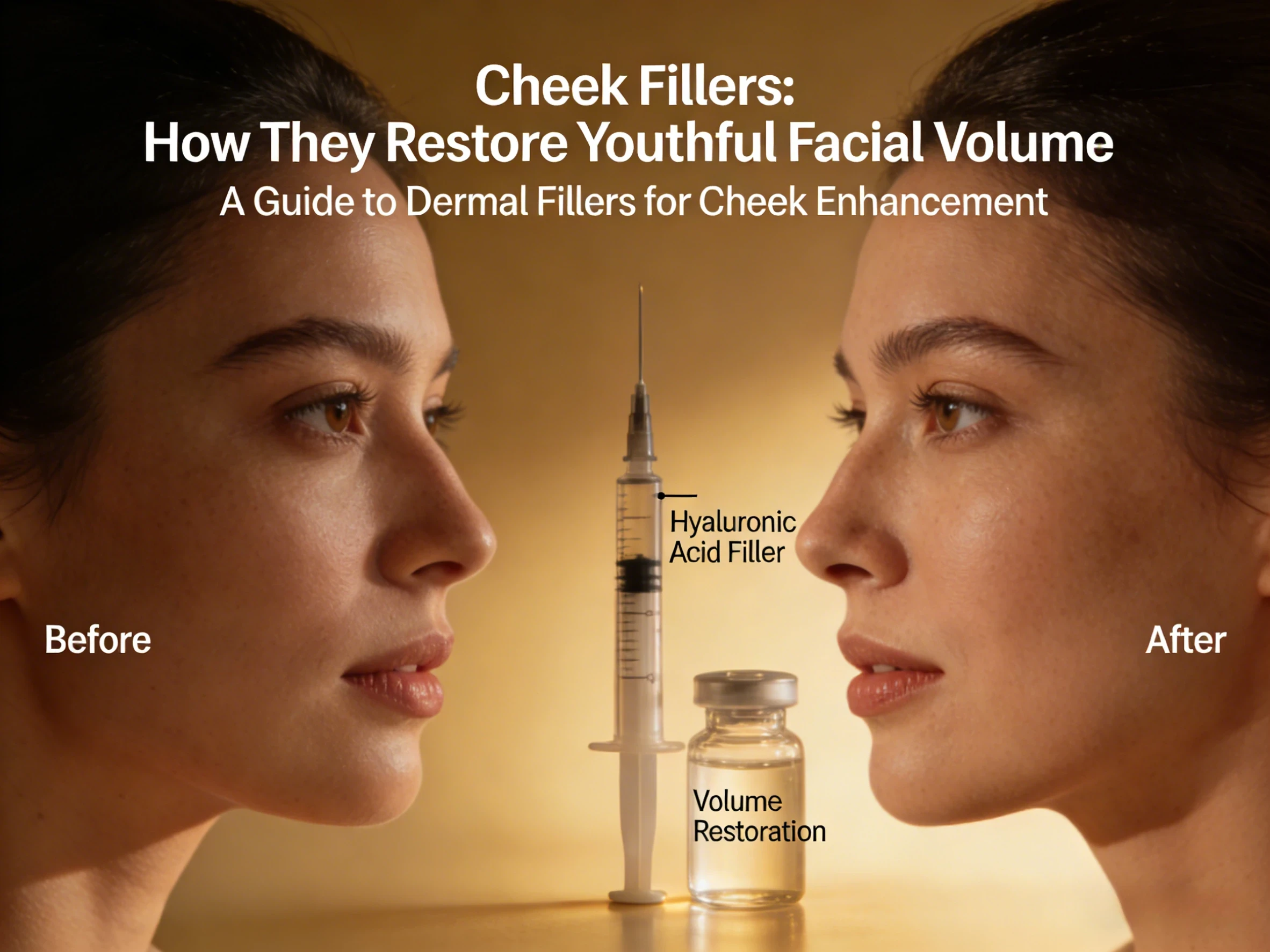
Cheek Fillers: How They Restore Youthful Facial Volume
作者
Ray
已发布
类别
提示
Cheek fillers are one of the most effective non-surgical ways to restore lost midface volume and improve facial structure. This guide explains how they work, who they help, what results to expect, and why cheek volume matters so much to a youthful-looking face.

作者
Ray
一位享有盛誉的医学美学专家,在该领域拥有40年的深厚经验。凭借在非侵入性手术、抗衰老科学以及先进皮肤病学解决方案方面的数十年专业知识,作者致力于分享将临床创新与真实患者成果相结合的见解。热衷于为全球客户推进安全、有效且高影响力的美学治疗。
还有什么比内部优惠、专业建议和惊喜更好的呢?
注册可每周在您的电子邮件中接收最新的博客文章。
立即加入。
Our company’s main product lines include HA (Hyaluronic Acid) fillers, CaHA (Calcium Hydroxylapatite) fillers, PLLA (Poly-L-Lactic Acid) biostimulators, and other advanced aesthetic solutions, all developed and manufactured by trusted partner facilities with whom we have maintained long-term, stable collaborations.
I help them with sales and export operations, while our company also provides sourcing and procurement services in China to help international clients solve supply-related challenges. If you need assistance with procurement, please feel free to contact us.
Cheek Fillers: How They Restore Youthful Facial Volume
A face rarely looks tired because of one isolated line. More often, the change begins higher up, in the midface, where volume loss can flatten the cheeks, reduce support, and subtly shift the way the entire face reads.
Cheek fillers restore youthful facial volume by replenishing fullness in the midface, improving structural support, and helping the face look lifted, smoother, and more balanced without surgery. They do not simply make the cheeks bigger. When used well, they can restore contour, improve proportions, and reduce the hollow or flattened appearance that often develops with age.
That is why cheek fillers are such an important category in aesthetic medicine. They address one of the most visually significant changes in facial aging: the gradual loss of midface volume.
Key Takeaways
Cheek fillers are injectable treatments designed to restore volume and contour in the midface.
They can improve more than cheek fullness alone; they also influence facial balance and structural support.
Volume loss in the cheeks can make the face look flatter, heavier, or more tired over time.
A well-planned cheek filler treatment often aims for support and shape, not an obviously “filled” look.
Hyaluronic acid fillers are commonly used for the cheeks because they offer control, adaptability, and a natural-feeling result.
The best cheek filler result is usually one that looks refreshed, not overdone.
What Are Cheek Fillers?
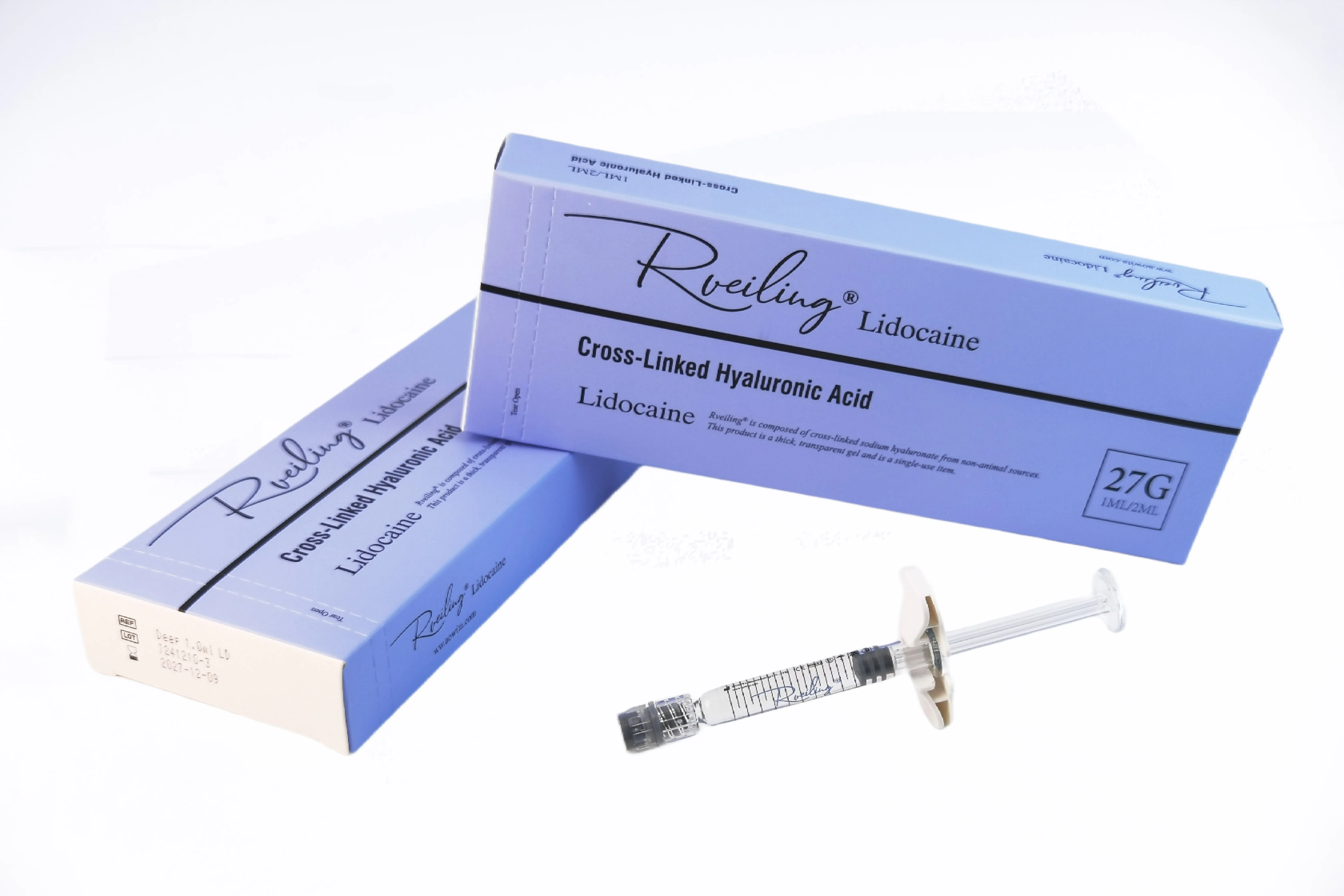
Cheek fillers are dermal fillers injected into the midface to restore volume, enhance contour, and improve structural balance.
In practice, they are often used for one or more of the following goals:
replacing age-related volume loss
improving cheek projection
refining facial contour
supporting a flatter or less defined midface
creating a smoother transition between facial zones
The best cheek filler treatment is not about making the cheeks look artificially prominent. It is about restoring harmony. For some patients, that means subtle volume replacement. For others, it means improving the framework of the midface so the face looks less drawn or deflated.
Why Cheek Volume Matters More Than Most People Realize
Cheek volume affects far more than the cheeks.
The midface plays a major role in how youthful, rested, and structurally balanced the face appears. When cheek volume is strong, the face often looks smoother and more supported. When that volume decreases, the change can affect the entire facial impression.
A flatter midface can make nearby features look more pronounced in ways patients often do not like. Under-eye hollowness may appear more noticeable. Nasolabial folds may seem deeper. The lower face may look heavier, even if the true issue started higher up.
This is one of the most important concepts in facial aesthetics: the area that bothers the patient is not always the area that needs to be treated first.
Featured Snippet-Ready Answer
What do cheek fillers do?
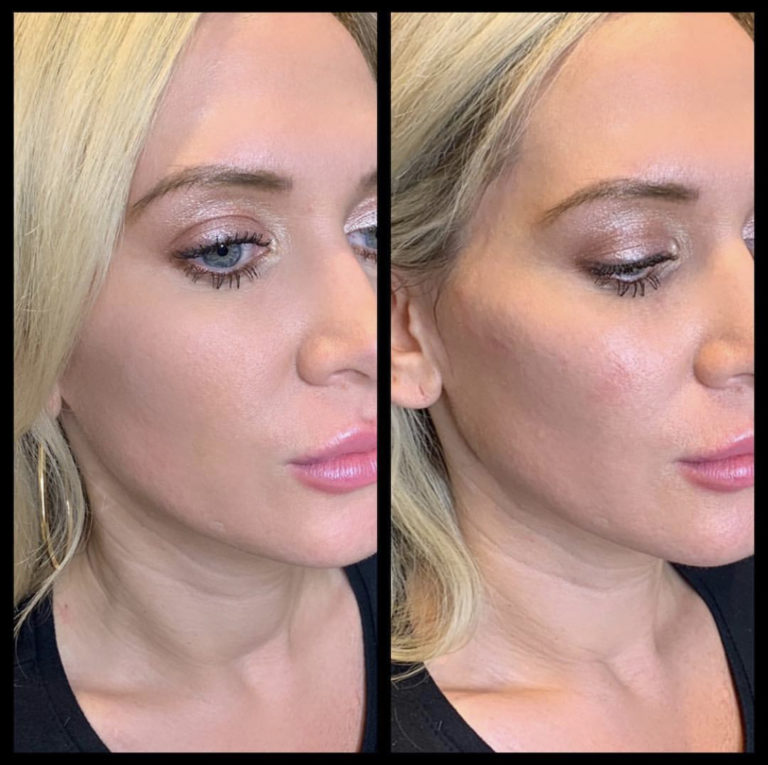
Cheek fillers restore youthful facial volume by adding support and fullness to the midface. This can improve cheek contour, reduce a flat or hollow appearance, and create a more lifted, balanced look without surgery.
How Cheek Fillers Restore Youthful Facial Volume
Cheek fillers work because they address both volume and structure.
Replacing volume loss
One of the clearest effects of aging in the midface is volume depletion. The cheeks can lose fullness gradually, which changes how light reflects off the face and how contours appear in motion and at rest.
Cheek fillers help replace that lost volume. In the right patient, even modest restoration can make the face look less hollow and more refreshed.
Rebuilding midface support
The cheeks act like a structural anchor for the central face. When support diminishes, the face can look less lifted and more fatigued.
A thoughtful cheek filler treatment can rebuild some of that support. This is not the same as surgical lifting, and it should not be marketed as such. But improved midface structure can meaningfully change how the face carries itself.
Improving facial contour and proportions
Not every cheek filler patient is treating age-related loss. Some are improving naturally flatter cheek structure or refining facial balance.
In those cases, cheek fillers can help create cleaner contour and better proportion between the midface, jawline, chin, and temples. This is where filler becomes a tool not only for rejuvenation, but also for facial design.
Softening the look of lower-face heaviness
This is one of the most overlooked benefits.
Patients sometimes focus on smile lines or lower-face heaviness without realizing that midface support may be part of the issue. Restoring cheek structure can improve the way the face transitions downward, making the lower face look less weighed down.
That does not mean cheek fillers erase every lower-face concern. It means they often improve the broader framework in a way that makes the whole face read better.
Who Is a Good Candidate for Cheek Fillers?
Cheek fillers may be a good option for patients who:
notice flattening or hollowing in the midface
want to restore youthful facial volume without surgery
feel their face looks tired even when they are well rested
want better cheek contour or midface definition
are looking for a non-surgical facial balancing treatment
They may also appeal to younger patients who want more contour rather than correction of age-related loss. The treatment goal matters. The same category can serve rejuvenation in one patient and enhancement in another.
A good editorial standard here is to avoid promising candidacy too broadly. Final suitability depends on anatomy, medical history, expectations, and provider assessment.
What Types of Fillers Are Used in the Cheeks?
The cheeks are usually treated with fillers that can provide support, shape, and controlled volume.
Hyaluronic acid fillers are commonly used because they are versatile and can often be chosen in different densities depending on the treatment plan. Some formulations are softer, while others are designed for more structural shaping.
Other filler categories may also be used in certain clinical approaches, especially when the goal is deeper support or longer-lasting structural improvement. The right choice depends on the injector’s strategy, the patient’s tissue characteristics, and the desired outcome.
For most patient education content, the most useful framing is this: cheek filler selection is not just about brand. It is about how the filler behaves in the midface.
What Results Can Patients Expect?
When cheek fillers are done well, the result usually looks like better facial support, not obvious cosmetic work.
Patients often describe the effect as:
more rested
less hollow
more lifted-looking
better defined
more balanced in photos and in person
That is an important distinction. The goal is not simply bigger cheeks. In many cases, the best result is subtle enough that others notice the patient looks fresher without knowing why.
Realistic expectations matter. Cheek fillers can restore volume and improve contour, but they are not a replacement for every form of rejuvenation. They work best when the treatment goal is clearly defined and anatomically appropriate.
How Long Do Cheek Fillers Last?
Cheek fillers often last longer than fillers used in more mobile facial areas, though exact duration depends on product, placement, and patient factors.
In general, the cheeks are a favorable area for filler longevity because they are less dynamic than areas like the lips. Many patients think in terms of maintenance rather than sudden disappearance. A touch-up may be appropriate before the filler is fully gone in order to preserve shape and support.
Precise timelines vary by filler type and should be matched to product-specific guidance when used in publishable medical-content environments. For a general educational article, it is more accurate to say that cheek fillers tend to offer durable improvement relative to many other commonly treated areas.
Cheek Fillers vs Other Approaches to Facial Rejuvenation
Cheek fillers are one option within a broader aesthetic plan, not the only one.
Compared with topical skincare, cheek fillers can produce more immediate structural change. Compared with surgical procedures, they offer a non-surgical approach with less downtime but more limited scope. Compared with treating only lines or folds, they often address a more foundational issue: support loss in the midface.
This is why cheek fillers matter strategically. In some faces, they are not an add-on. They are the beginning of a better treatment plan.
What to Ask Before Getting Cheek Fillers
A strong consultation should go beyond “How many syringes do I need?”
Better questions include:
What is causing my face to look flatter or more tired?
Are cheek fillers the right first treatment for my goals?
Is the goal volume replacement, contouring, or both?
What type of filler do you recommend for the cheeks, and why?
How subtle or structured will the result look?
What is the expected maintenance timeline?
How will this affect the balance of the rest of my face?
These questions lead to better outcomes because they focus on treatment logic rather than product marketing.
Final Take: Why the Midface Is Often the Real Starting Point
Cheek fillers restore youthful facial volume because they address a central truth of facial aging and facial design: the midface shapes the whole face.
When cheek volume declines, the face can look flatter, heavier, and less supported. Replacing that volume thoughtfully can improve contour, soften signs of fatigue, and create a more youthful overall impression. Done well, cheek filler does not look like “more.” It looks like better structure in the right place.
For the U.S. aesthetic medicine audience, that is the most useful way to understand this treatment. Cheek fillers are not just about fuller cheeks. They are about restoring support, proportion, and facial harmony in one of the most visually important areas of the face.
For aowita, this creates a strong editorial opportunity: position cheek fillers not as a trendy enhancement, but as a sophisticated approach to midface rejuvenation and cheek volume restoration. That is a smarter, more credible, and more search-satisfying angle than generic filler content.
A soft next step for the reader is simple: learn how cheek filler fits into a broader facial assessment, then speak with a qualified provider about whether midface restoration is the right starting point for your goals.
FAQ About Cheek Fillers: How They Restore Youthful Facial Volume
1. What are cheek fillers used for?
Cheek fillers are used to restore volume, improve contour, and support the midface. They can help the face look less hollow, flatter, or more tired.
2. Do cheek fillers make your face look unnatural?
Not when they are used appropriately. The best cheek filler results are usually designed to restore support and balance rather than create obvious fullness.
3. Are cheek fillers only for aging patients?
No. Some patients use cheek fillers to address age-related volume loss, while others use them to improve natural contour or facial proportions.
4. How do cheek fillers make the face look younger?
They restore midface volume and support, which can make the face look smoother, more lifted, and less hollow. This often improves the overall impression of youthfulness.
5. How long do cheek fillers last?
Cheek fillers often last longer than fillers in highly mobile areas, but exact longevity depends on the filler type, injection plan, and individual patient factors. [source needed]
6. Are cheek fillers better than treating smile lines directly?
Sometimes. In some patients, restoring cheek support can improve the appearance of lower-face heaviness or folds more effectively than focusing only on the fold itself.
其他博客