Blog
PDRN vs HA Skin Boosters: Which One Repairs Skin Better and Boosts Collagen?
Author
Ray
Published
Category
PDRN Serum
Compare PDRN vs HA skin boosters for collagen stimulation and skin repair. Learn differences, timelines, and what to ask your dermatologist.

Author
Ray
An esteemed medical aesthetics expert with 40 years of profound experience in the field. With decades of expertise in non-invasive procedures, anti-aging science, and advanced dermatological solutions, the author is dedicated to sharing insights that connect clinical innovation with real-world patient results. Passionate about advancing safe, effective, and high-impact aesthetic treatments for a global clientele.
What’s better than insider perks, pro tips, and surprises?
Sign up to get the most recent blog articles in your email every week.
Join now.
Our company’s main product lines include HA (Hyaluronic Acid) fillers, CaHA (Calcium Hydroxylapatite) fillers, PLLA (Poly-L-Lactic Acid) biostimulators, and other advanced aesthetic solutions, all developed and manufactured by trusted partner facilities with whom we have maintained long-term, stable collaborations.
I help them with sales and export operations, while our company also provides sourcing and procurement services in China to help international clients solve supply-related challenges. If you need assistance with procurement, please feel free to contact us.
If you’re searching PDRN vs HA Skin Boosters and wondering which one repairs skin better and boosts collagen, here’s the most practical answer:
HA (hyaluronic acid) is most commonly selected for hydration-led improvement—often helping with plumpness, glow, and how skin feels day-to-day. PDRN (polydeoxyribonucleotide) is more often positioned for repair/renewal-oriented goals—such as skin recovery, texture refinement, and regeneration-focused outcomes.
However, “best” depends on the exact product, injection strategy, and your baseline skin needs. The most reliable way to choose is to match the treatment intent (hydration vs repair) to your top concern—and confirm details in consultation.
Medical note: This article is educational and not medical advice. For injection-related decisions, consult a licensed dermatologist or qualified medical professional.
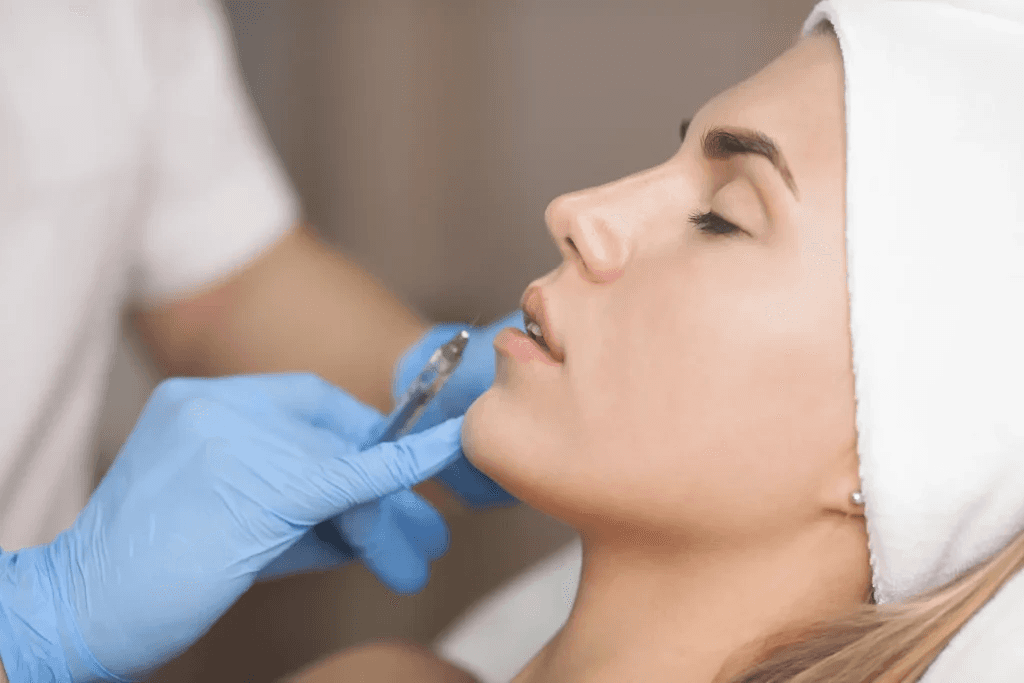
Key Takeaways
PDRN vs HA is best thought of as repair/renewal vs hydration/plumping—not as a universal winner.
“Collagen stimulation” is often used broadly in skincare; the real-world outcome depends on your skin and the protocol.
The best match is determined by your primary concern: skin repair injections vs skin booster for hydration (and how these connect to your aging/texture goals).
Before treatment, ask your clinician about the exact product, concentration, injection technique, and expected dermal injection results timeline.
Follow injection aftercare instructions closely to support comfort and results.
Quick Answer: PDRN or HA for collagen stimulation & skin repair?
Use this rule of thumb:
Choose HA skin booster if your priority is skin hydration, dullness, fine lines that look worse when skin is dry, and a refreshed “glow” effect.
Choose PDRN skin booster if your priority is skin repair—improving skin quality with a more “renewal” intent (often discussed for recovery-oriented concerns and texture improvement).
If you want both, many plans combine approaches—but only your clinician can safely match what’s appropriate for your skin condition and medical history.
What Are Skin Boosters (and what “collagen stimulation” usually means)?
Skin boosters are minimally invasive injectable treatments used to improve overall skin quality. You’ll often see ingredient-based marketing language such as collagen stimulation, skin regeneration, or repair pathways.
Because terminology can be vague, it helps to translate it into what it typically implies:
Skin hydration vs extracellular matrix support (simple definitions)
Skin hydration: The skin’s moisture environment—often linked to how “plump,” soft, and radiant skin looks and feels.
Extracellular matrix support: The skin’s structural network (conceptually tied to tissue signaling and repair). When clinics say an ingredient supports repair, they’re referring to the idea that it may influence skin’s ability to recover and maintain quality.
Both hydration and extracellular matrix support can contribute to the appearance of smoother texture over time. Still, results vary widely.
Why dermal injection results vary from person to person
Even when two people use the same ingredient, dermal injection results can differ based on:
baseline skin condition (dryness, sensitivity, texture changes, previous treatments),
the exact formulation (for example, how HA is prepared, or what PDRN product is used),
injection technique (depth, spacing, distribution),
session frequency and total number of treatments,
and your aftercare routine.
So rather than focusing only on “PDRN vs hyaluronic acid,” the best strategy is to evaluate fit-for-purpose and protocol quality.
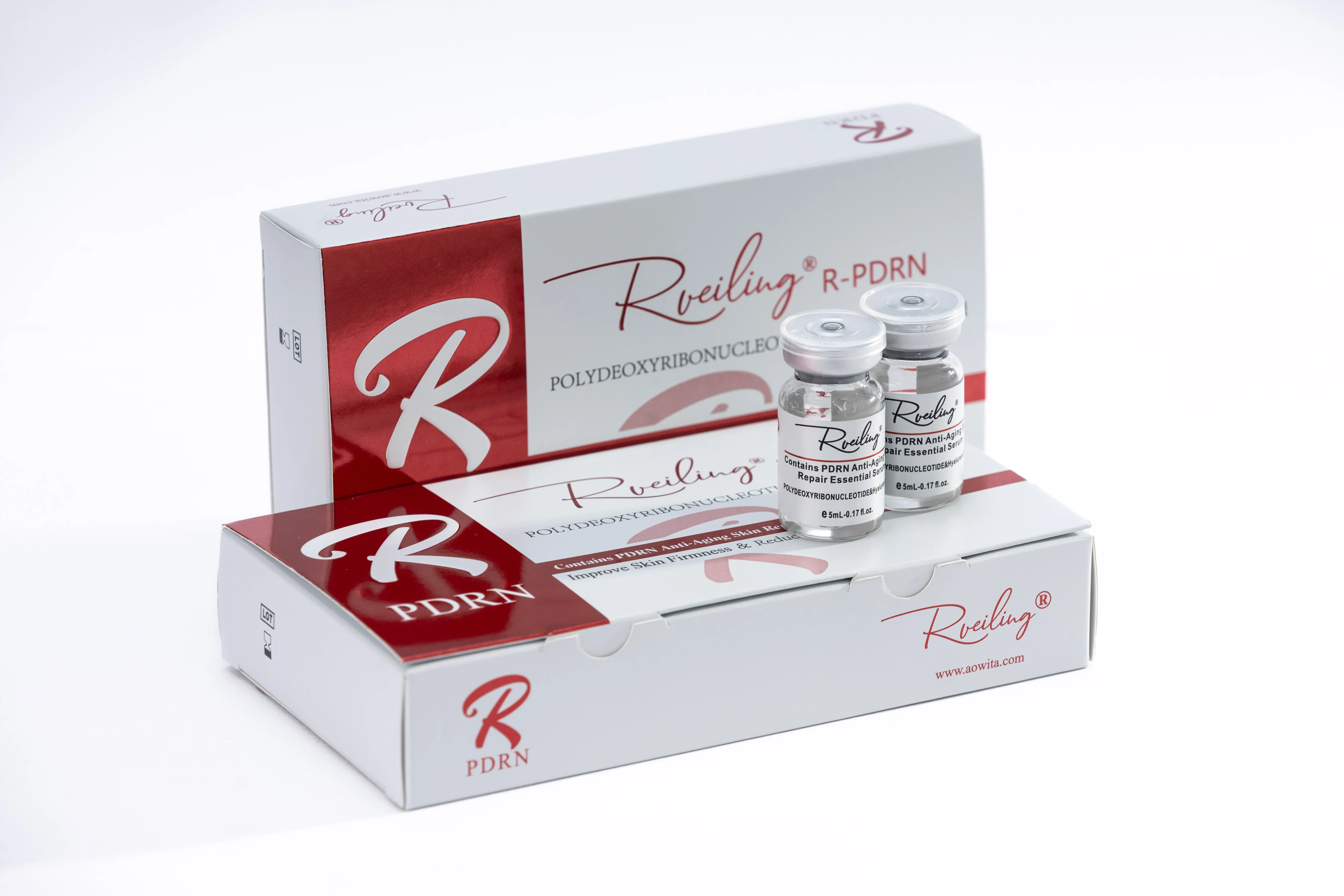
PDRN Skin Booster Explained
What PDRN is (polydeoxyribonucleotide)
PDRN stands for polydeoxyribonucleotide. In skin booster conversations, it’s typically positioned as a molecule used with a repair/renewal intent. Clinics often discuss its role in skin quality improvement by referencing repair-related concepts (for example, wound healing signaling pathways), though the specific clinical mechanisms and degree of effect can vary by product and protocol.
If your clinic provides a product sheet or protocol document, review it. For strict, evidence-based claims, clinicians should rely on product labeling and published information.
Typical goals clinics associate with PDRN (repair-oriented)
When people ask PDRN vs HA skin boosters, the “repair” question usually means concerns like:
skin that looks tired or less resilient,
texture that feels rough,
fine lines and dullness that are not just dryness-related,
and “repair” expectations after skin stressors (timing varies by medical situation).
It’s helpful to view PDRN skin boosters as often chosen for repair-first goals—supporting the skin’s ability to recover and improve its overall quality. That can indirectly support a more collagen-associated look over time, but the specific outcome depends on your plan.
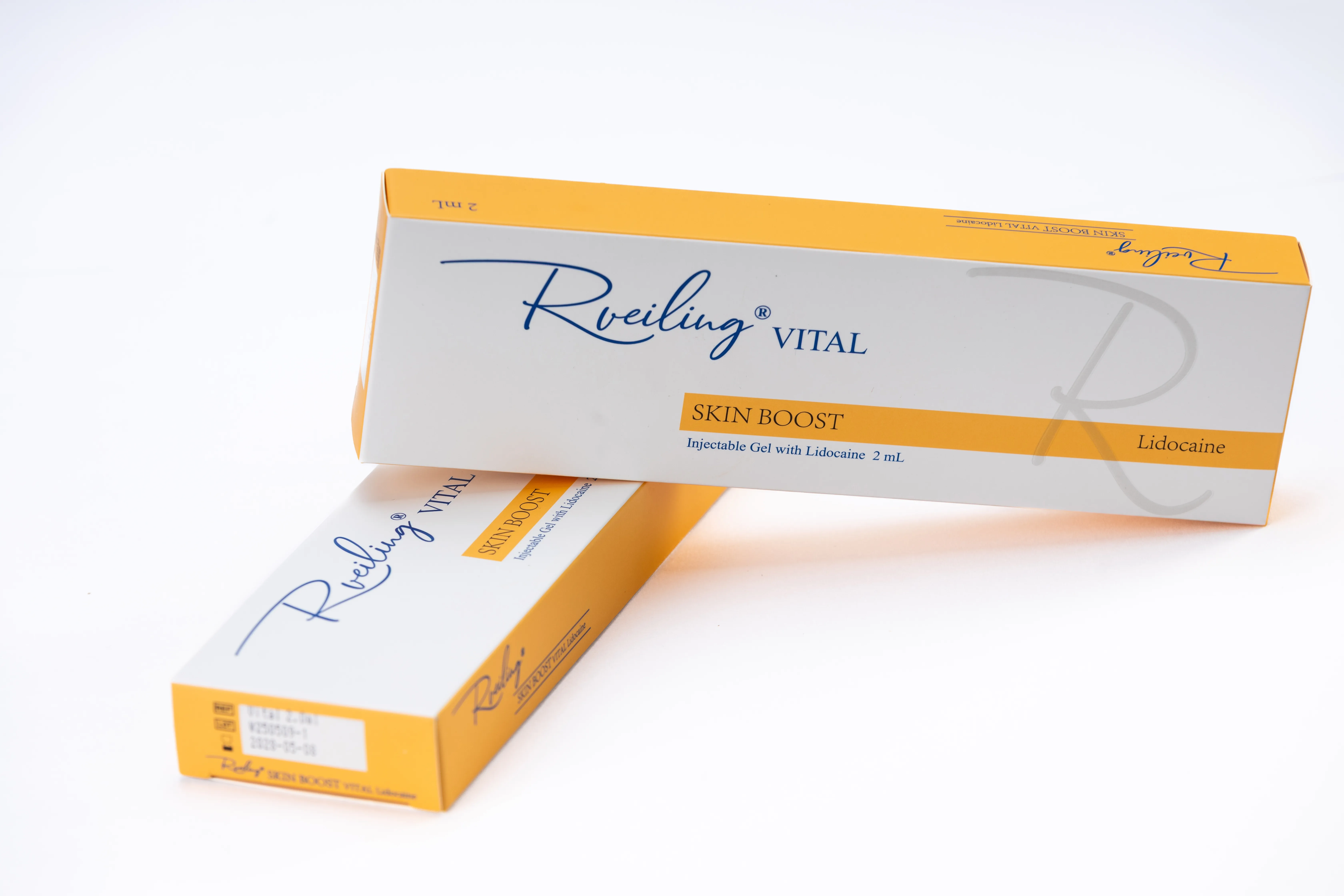
HA Skin Booster Explained
What HA is (hyaluronic acid)
HA (hyaluronic acid) is a well-known molecule associated with skin hydration. In topical skincare, HA is famous for moisture retention; in injectables, it’s used with protocols designed to improve how hydrated and plump skin appears.
Because this is an injection product, exact results depend on formulation and injection depth/distribution.
Typical goals clinics associate with HA (hydration-oriented)
When people search skin booster for hydration, HA is often the first ingredient that comes up. Typical goals include:
improved radiance (a “glow” effect),
a softer feel and smoother-looking surface,
better comfort in dryness-prone skin,
and a refreshed appearance that can help fine lines look less pronounced (often by improving hydration and skin plumpness).
If your main issue is skin hydration, HA is often a more intuitive starting point.

PDRN vs HA Skin Boosters (Side-by-Side Comparison)
To make this genuinely useful, compare them by what they’re usually selected for.
Mechanism focus: hydration vs repair signaling
HA: primarily associated with skin hydration and the visual/texture effects of moisture and plumpness.
PDRN: primarily associated with repair/renewal, often discussed in relation to skin quality recovery and regeneration-related concepts (sometimes grouped under collagen stimulation messaging).
These are not mutually exclusive—both can contribute to overall skin improvement. But the intent differs.
Best fit by concern: fine lines & dullness, texture, recovery goals
Here’s a practical matching guide:
Choose PDRN skin booster when your primary concern is:
skin quality that feels “tired” or less resilient,
texture improvement where hydration alone may not be enough,
repair-oriented goals (discussed with your clinician based on your skin situation),
and collagen/repair messaging you want framed through a renewal-first approach.
Choose HA skin booster when your primary concern is:
dryness, dullness, roughness linked to dehydration,
a brighter, more hydrated appearance,
“plumpness” and a glow that often shows up through improved hydration support.
Choose a balanced approach when:
you have mixed needs (for example, some hydration issues plus texture concerns),
you want a plan that supports both comfort and quality,
or you’re aiming for anti-aging treatments that target more than one skin layer/function.
Important: Your clinic should tailor the plan after skin assessment. If they can’t explain the “why” behind your choice (ingredient + protocol + technique), that’s a red flag.
Which Is Better for You?
If your priority is skin repair injections
If your main goal is skin repair injections and you’re specifically thinking “repair,” PDRN is often the more aligned ingredient in clinic messaging.
How to decide in consultation:
Ask whether your treatment is intended primarily for skin texture improvement and recovery-oriented goals.
Ask how the clinic plans to support extracellular matrix support concepts through their injection strategy.
Confirm how they measure progress beyond “it looks better.”
Because evidence can vary by product, the key is to match the protocol to your expectations realistically and medically.
If your priority is skin booster for hydration
If your biggest frustration is dryness-related texture—tightness, dullness, roughness, or fine lines that look worse when skin is dehydrated—HA skin booster is typically the more straightforward choice.
How to decide in consultation:
Ask about expected changes in skin hydration and how quickly you can reasonably expect improved glow or softness.
Ask whether your plan addresses hydration only, or also targets texture.
If you’re balancing “aging” concerns
If your goal includes both aging concerns and skin quality repair, “PDRN vs HA” may not be a strict either/or. Many people benefit from layered strategies.
A practical way to talk to your provider:
“I want hydration support and improved skin texture—how would you prioritize the first step?”
“Would you recommend a staged approach (start with hydration, then add repair-focused injections) or a combined plan?”
Your clinician should consider sensitivity, downtime tolerance, and your current routine.
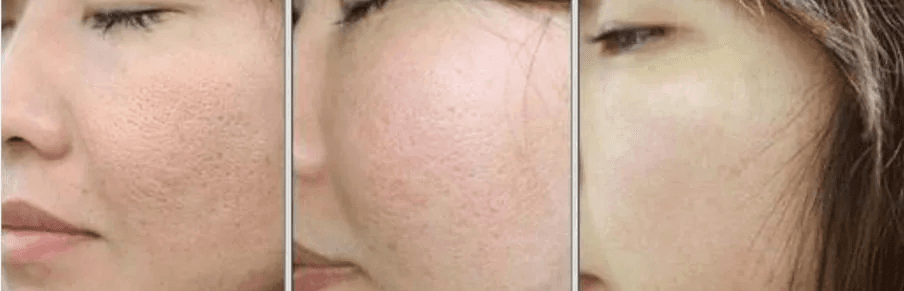
What to Ask Your Dermatologist/Clinic (so you don’t get mismatched treatment)
This section is designed like a checklist—because the best outcomes often come from getting the right plan, not just choosing the right ingredient.
Product questions (exact PDRN/HA type and concentration)
Ask:
Which exact PDRN or HA product are you using?
What’s the labeled purpose (skin booster protocol) and formulation type?
What is the concentration and vehicle/form (if they can share labeling details)?
Is it intended for dermal injection, and what’s the recommended interval?
These questions help ensure you’re not comparing “ingredient A vs ingredient B” in a vacuum.
Technique questions (depth, distribution, session plan)
Ask:
What injection technique do you use (depth and distribution pattern)?
How many sessions do you recommend for your skin goal?
How do you personalize based on sensitivity or existing texture issues?
How do they handle “dermal injection results” expectations—what timeline is typical for your protocol?
Safety & aftercare questions (injection aftercare, recovery time)
Ask:
What short-term reactions are normal (redness, tenderness, tiny bumps)?
What’s the expected recovery time for your technique?
What should I avoid after treatment (sun, heat, exfoliants, active skincare ingredients)?
What are the “stop and call” symptoms?
A strong clinic won’t be vague here. They’ll explain the plan.
Risks, Side Effects, and Aftercare Basics (What to expect)
Common short-term effects
While experiences vary by person and injection method, it’s common to see mild, temporary effects such as:
redness,
mild swelling,
tenderness or sensitivity at injection sites,
small bumps,
or slight bruising.
If anything worsens significantly or persists beyond what your clinician considers normal, contact them promptly.
Injection aftercare basics and recovery time expectations
Follow the instructions from your clinician, but in general aftercare guidance often includes:
avoid aggressive skincare actives right after treatment (unless your provider says otherwise),
protect skin from sun as advised,
keep products gentle and non-irritating initially,
maintain hydration and comfort,
and do not pick or rub injection areas.
Because aftercare is protocol-specific, treat your clinic’s written instructions as the source of truth.
Conclusion
So, PDRN vs HA skin boosters—which one repairs skin better and boosts collagen?
If you want a repair/renewal-first direction, PDRN is often the better-aligned choice. If your priority is hydration and glow, HA is typically the more intuitive starting point.
But the real difference-making factors are: the exact product, the injection plan, the technique, and your skin’s starting condition.
If you want the safest decision path, don’t debate ingredients alone. Instead, choose the ingredient that matches your primary concern, then validate your plan with a clinician using the questions above—especially product specifics, injection strategy, and aftercare.
FAQ
1) Is PDRN better than HA for collagen stimulation?
“Better” depends on what your clinician is targeting and how your skin responds. HA is often chosen for hydration-related skin quality, while PDRN is often positioned for repair-oriented improvements. Ask your provider what outcome they’re targeting for your specific case and how they plan to measure progress.
2) What is PDRN supposed to do for skin repair?
In skin booster protocols, PDRN is commonly used with a repair/renewal intent, often tied to concepts like skin recovery and tissue signaling. The exact extent of benefit depends on the product, injection method, and your baseline skin condition.
3) How long until you see dermal injection results?
Timelines vary by product and protocol. Your clinic should provide an expected range based on their injection plan and your skin needs. If they can’t discuss a timeline or what changes to watch for, ask more questions before treatment.
4) Can I use HA skin boosters if I’m also trying to address texture and fine lines?
Often yes—but it depends on whether your fine lines are driven primarily by skin hydration vs deeper texture concerns. Your dermatologist can help decide if HA-first is appropriate or if PDRN (or another treatment) better matches your goals.
5) What should I do for injection aftercare?
Follow your clinic’s written instructions. In general, aftercare focuses on avoiding irritation, protecting your skin from sun as advised, using gentle skincare, and allowing recovery time based on the treatment protocol.
6) How do I choose between PDRN vs hyaluronic acid safely?
Bring your top concern to the consultation, then ask about the exact product, concentration, injection technique, expected timeline for dermal injection results, and specific injection aftercare and recovery guidance.
Other Blogs