Type
Oil control, acne reduction
Application
Suitable for oily and acne-prone skin, excessive sebum production, closed comedones, and inflammatory acne.
Place of Origin
China
Brand Name
Rveiling®
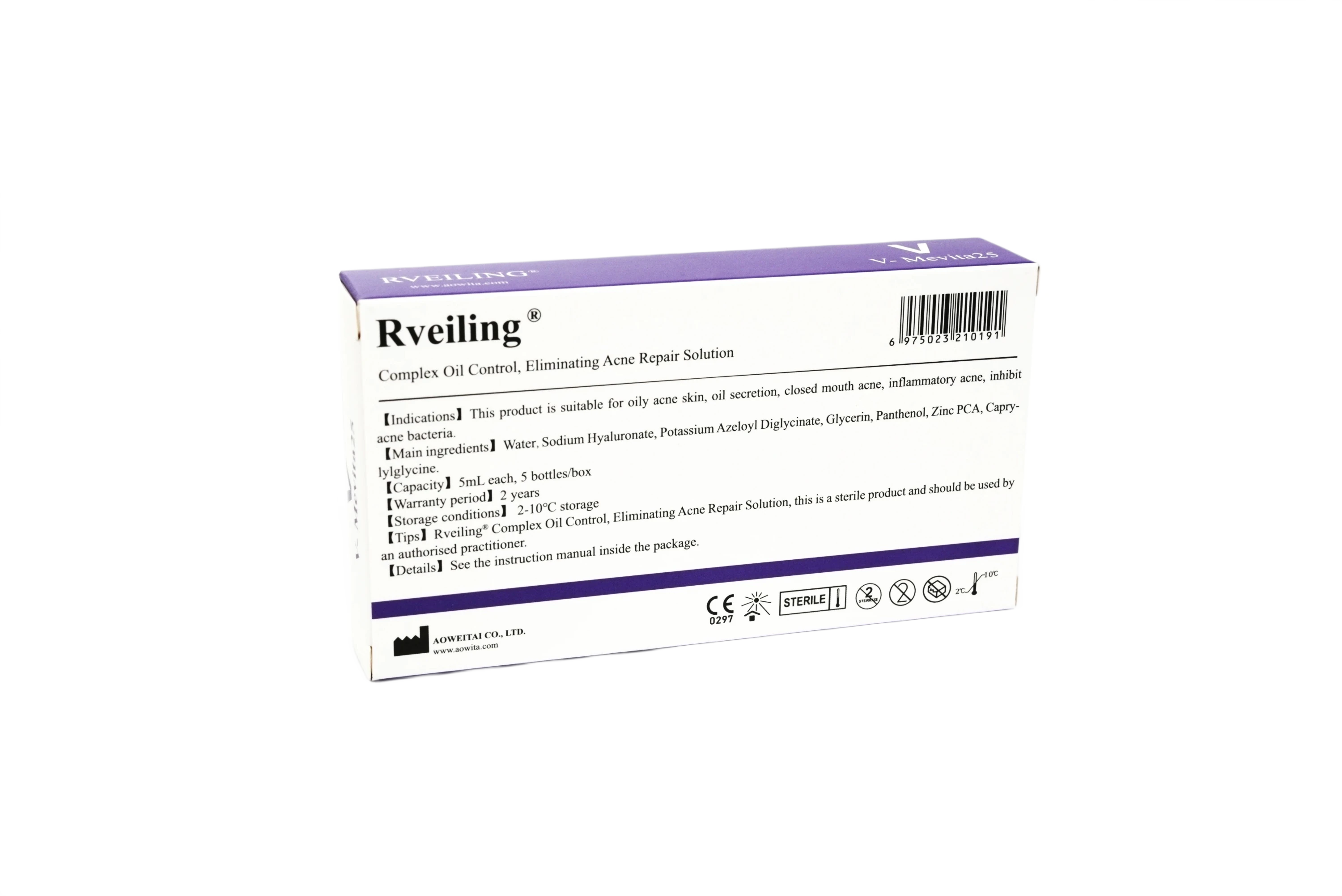
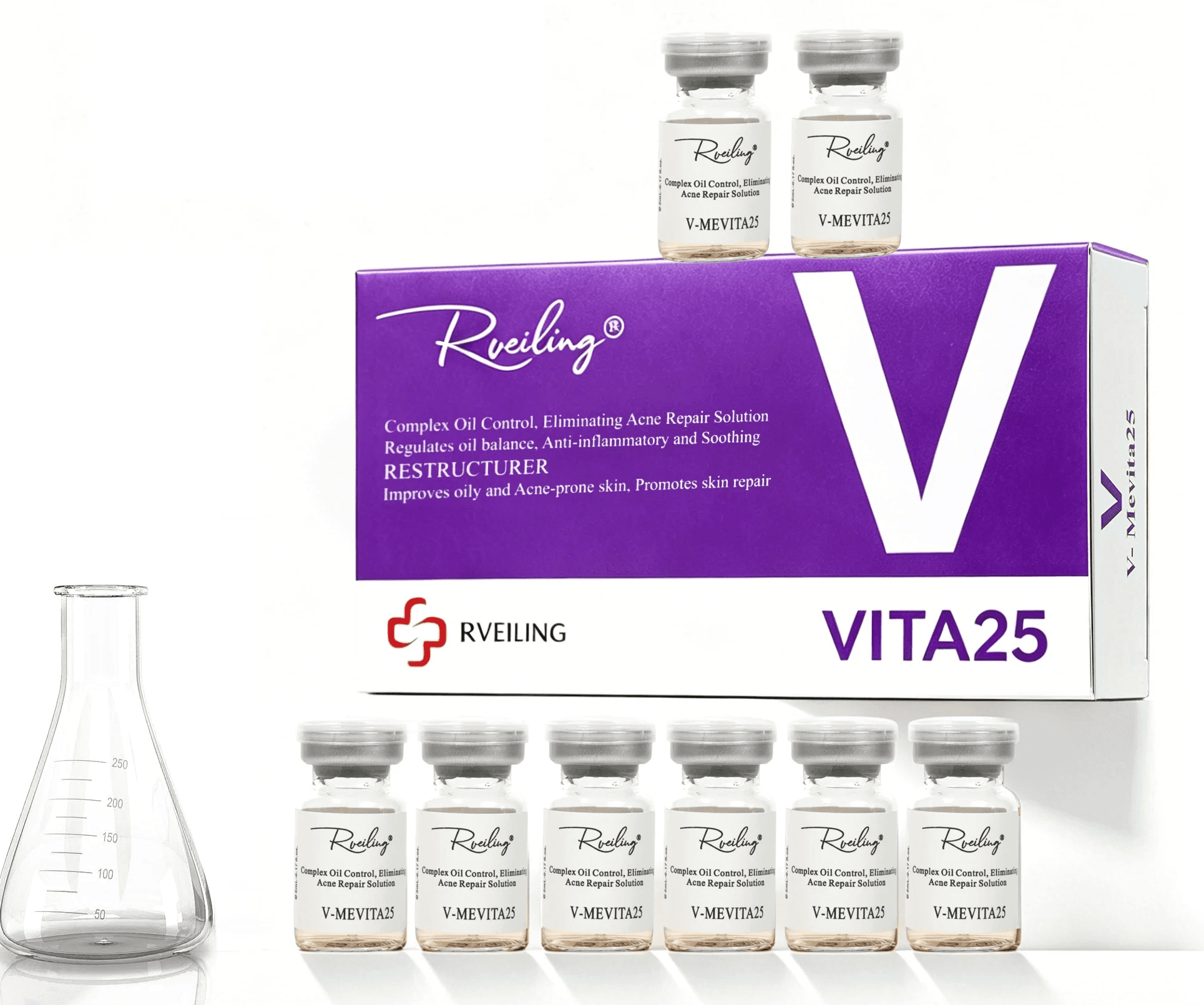
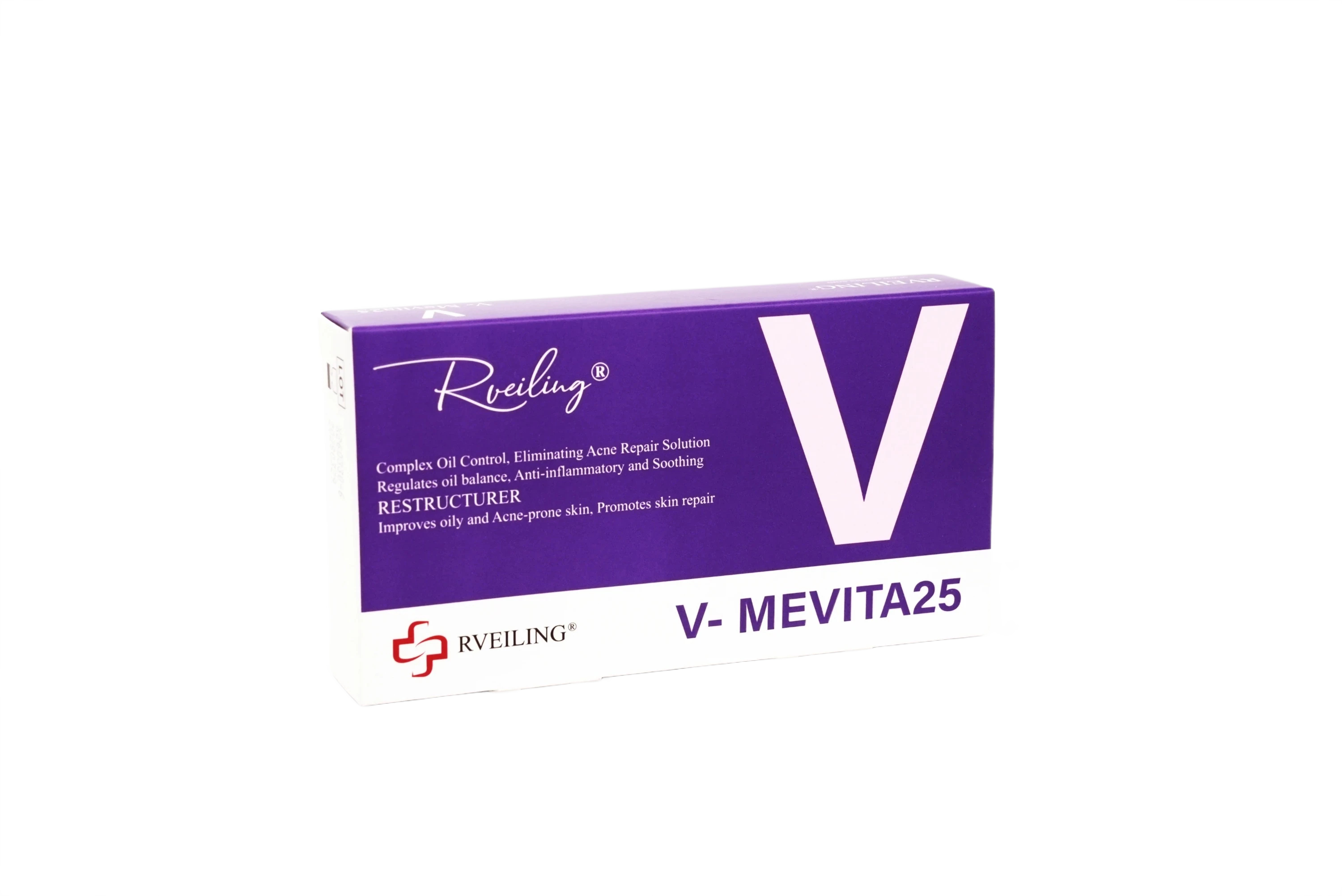
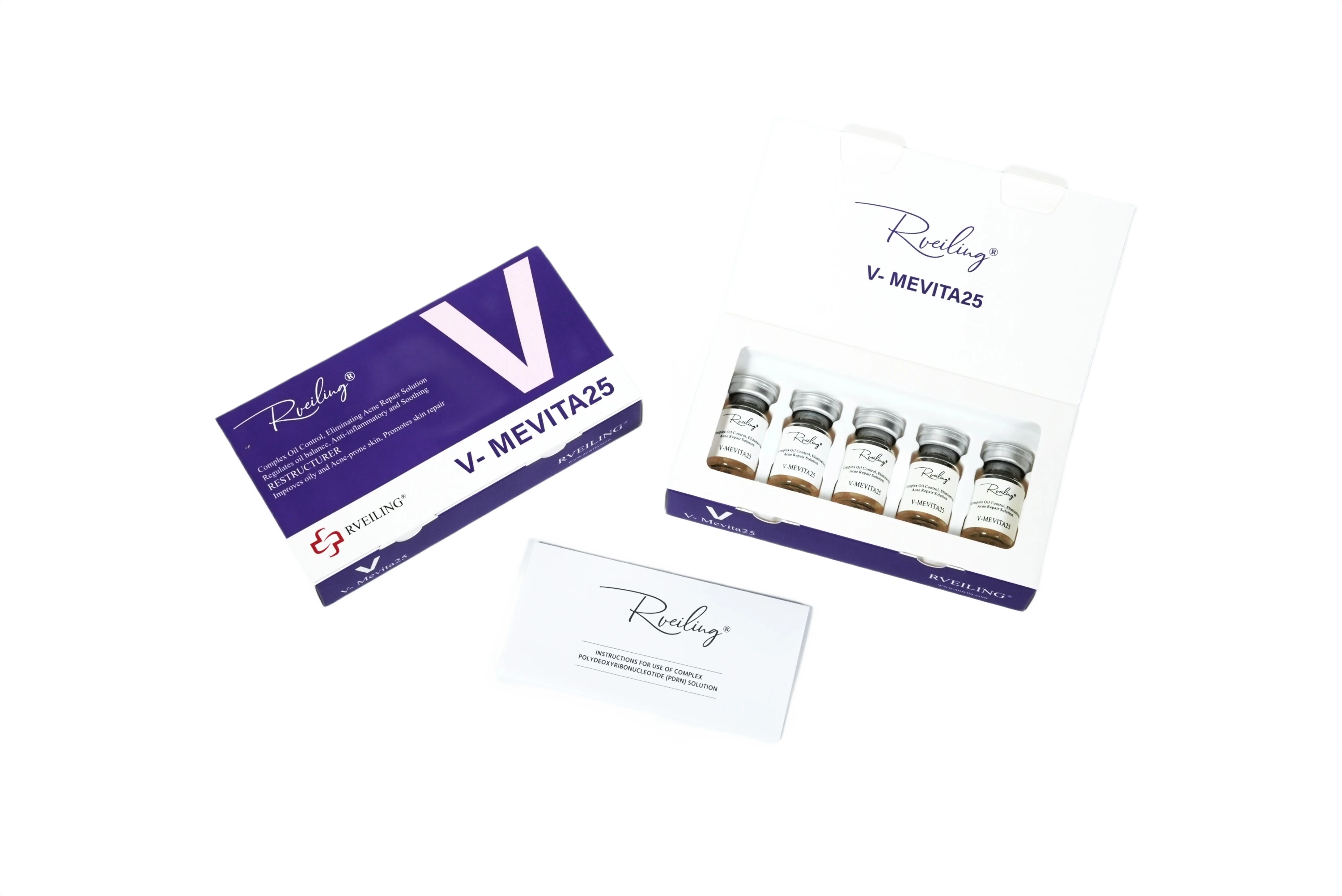
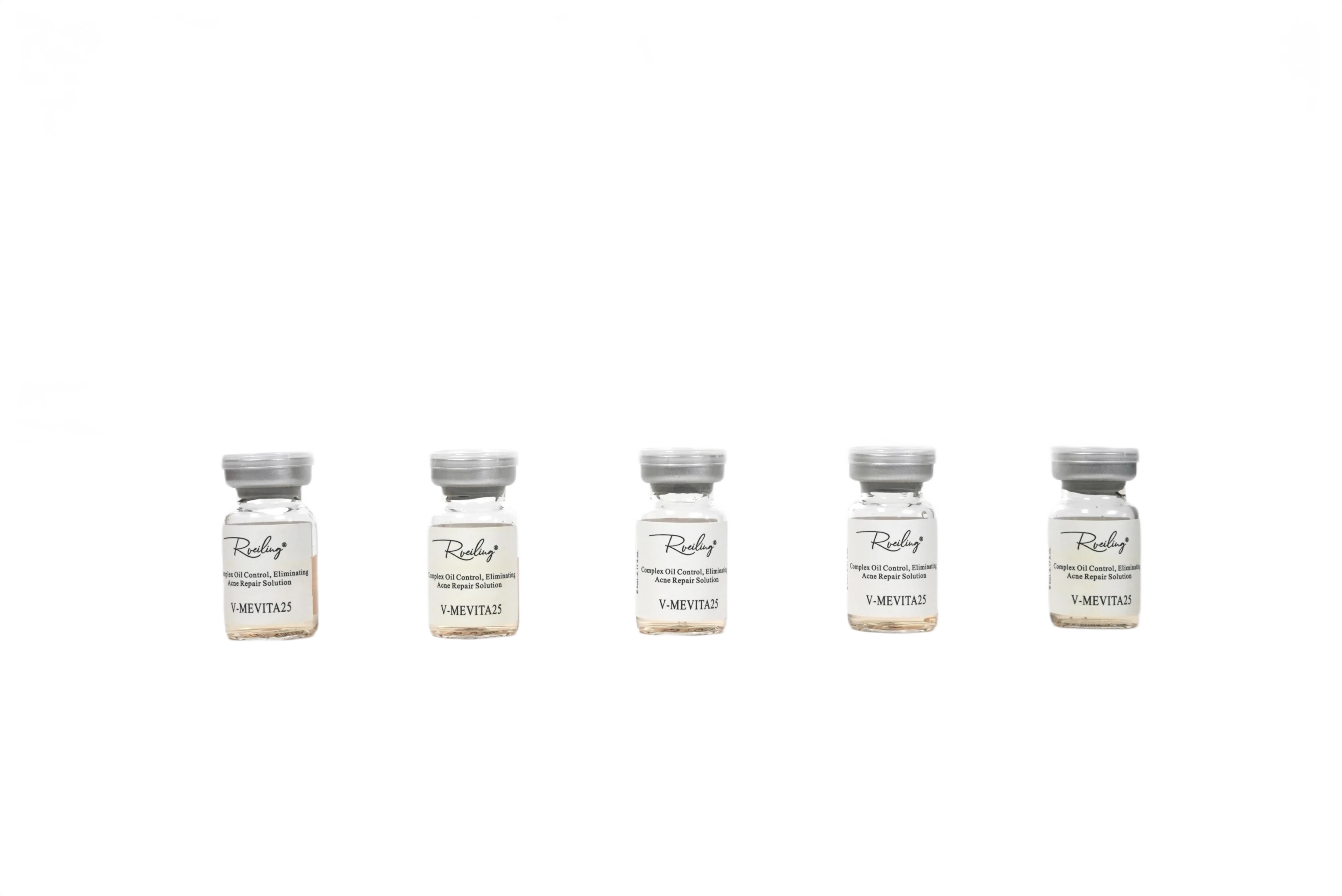
1. Professional Acne & Oil Control Treatment Overview
I. Clinically Formulated for Oily and Acne-Prone Skin
This clinical formula reduces acne, regulates oil production, balances the skin microbiome, soothes inflammation, alleviates redness and swelling, and promotes repair—making it the ideal professional choice for regulating oily and acne-prone skin.
2. Pre-Treatment Preparation Guidelines
I. Skin Cleansing and Disinfection Protocol
Use a mild cleanser to cleanse the skin and remove oil and dirt. Avoid touching broken or pustular acne lesions. Disinfect the treatment area and derma roller with 75% alcohol.
II. Comfort Measures for Sensitive Skin
For sensitive skin, apply a thin layer of topical anesthetic cream; wipe off after 10-15 minutes.
3. Treatment Procedure Steps
I. Derma Roller Operation Method
Apply the serum evenly to acne-prone areas and oily zones (such as the forehead, nose, and chin).
Hold the derma roller and roll in one direction only (from the center outward), applying gentle pressure to avoid rupturing pimples and causing bleeding.
Roll over each area 1-2 times. Gently press the needle tip with a clean cotton swab before continuing application.
After rolling, pat away any remaining solution with a clean cotton swab; avoid massaging.
4. Post-Treatment Care
Avoid contact with water for 6 hours after treatment. Apply cold sterile gauze to reduce redness and swelling. Discontinue regular skincare products for 3 days; use only the doctor-recommended antibacterial repair spray. Do not touch or squeeze pimples to prevent infection.
Key attributes — Rveiling® PDRN HA Serum for Oil-Control
Storage condition | 2-8°C refrigerated, used up within 24 hours after opening the bottle |
|---|---|
Transport conditions | Transport at room temperature (not exceeding 30°C) should not exceed 1 month, otherwise cold chain transport |
Absolute Contraindications | Do not use on open wounds, infected skin (e.g., herpes, impetigo), or if allergic to any ingredients (e.g., potassium glycyrrhizate, octylenediamine). Avoid during pregnancy, breastfeeding, eczema, acute rosacea, or severely compromised skin barrier. |
Relative Contraindications | Avoid use if retinoic acid has been applied within the three days prior to treatment. Limit sun exposure, sweating, and strenuous exercise for one week post-procedure to prevent irritation or infection. |
Packaging | 5mL per vial, 6 vials per box |
Shelf Life | 24 months unopened. Use within 24 hours after opening to prevent secondary contamination. |
Note | This product is sterile. Strictly adhere to sterile surgical procedures during use. |
Usage Details | Refer to the enclosed instructions for use. |
FAQS — Rveiling® PDRN HA Serum for Oil-Control
1.Is PDRN HA serum good for oily skin?
Yes, PDRN HA serum can be a good option for oily skin, especially when the formula is lightweight, fast-absorbing, and non-greasy. Hyaluronic acid is widely used in products for oily skin because it delivers water-based hydration without adding extra oil, while current PDRN skincare coverage generally positions PDRN as a support ingredient for smoother, calmer, better-hydrated skin. The key is the full formula, not just the ingredient list headline. A serum that includes PDRN and hyaluronic acid can still feel too rich for oily skin if the base is heavy or overly emollient.
2.Can PDRN HA serum help control excess oil?
It can help oily skin look more balanced, but it should not be described as a direct sebum-control ingredient in the same way as salicylic acid, niacinamide, or zinc PCA. The more accurate explanation is that lightweight hydration can support oily skin that is also dehydrated, and dehydrated skin may sometimes appear oilier or become harder to balance. Hyaluronic acid is often recommended for oily skin for exactly this reason: it helps hydrate without the heaviness of richer creams. PDRN, meanwhile, is more commonly discussed in terms of skin repair, barrier support, and overall skin quality than as a dedicated oil-reducing active.
3.Is PDRN HA serum suitable for acne-prone oily skin?
Potentially yes, but only if the overall formulation is acne-friendly. Neither PDRN nor hyaluronic acid automatically makes a serum ideal for acne-prone skin. Buyers should still look for a lightweight texture, low residue, and a formula that does not rely on heavy occlusives if congestion is a concern. Public skincare coverage increasingly places some PDRN serums in categories such as sensitive, oily, or blemish-prone skin, but that is still product-specific rather than universal.
4.Will PDRN HA serum clog pores or feel greasy on oily skin?
It depends on the texture and supporting ingredients. In general, hyaluronic acid serums are often chosen by oily-skin users because they are lightweight and water-focused, not because they create a rich, oily finish. But not every PDRN HA serum feels the same. Some reviews describe certain PDRN hyaluronic acid serums as watery and comfortable for layering, while others note that even lightweight formulas can still feel slightly rich on very oily skin depending on the finish. That is why texture, layering behavior, and finish matter just as much as the hero ingredients.
5.What does PDRN do in a serum?
In topical skincare, PDRN is generally discussed as a skin-repair and skin-support ingredient. Current skincare sources describe it as being associated with smoother texture, better hydration, barrier support, and a healthier overall skin appearance. Some science-led content also discusses PDRN in relation to collagen support and repair pathways, although the strongest evidence is usually associated with medical or procedural settings rather than assuming all topical serums will perform the same way. That makes it best to describe PDRN in a serum as a repair-focused and skin-conditioning ingredient, rather than a direct oil-control active.
Other Products