Blog
Skin Boosters Explained: HA, PDRN, PN, and Peptide-Based Formulations
Author
Ray
Published
Category
Hyaluronic acid filler
Learn how skin boosters differ: HA, PDRN, PN, and peptides—mechanisms, best uses, and how to choose safely (topical vs injections).


Author
Ray
An esteemed medical aesthetics expert with 40 years of profound experience in the field. With decades of expertise in non-invasive procedures, anti-aging science, and advanced dermatological solutions, the author is dedicated to sharing insights that connect clinical innovation with real-world patient results. Passionate about advancing safe, effective, and high-impact aesthetic treatments for a global clientele.
What’s better than insider perks, pro tips, and surprises?
Sign up to get the most recent blog articles in your email every week.
Join now.
Our company’s main product lines include HA (Hyaluronic Acid) fillers, CaHA (Calcium Hydroxylapatite) fillers, PLLA (Poly-L-Lactic Acid) biostimulators, and other advanced aesthetic solutions, all developed and manufactured by trusted partner facilities with whom we have maintained long-term, stable collaborations.
I help them with sales and export operations, while our company also provides sourcing and procurement services in China to help international clients solve supply-related challenges. If you need assistance with procurement, please feel free to contact us.
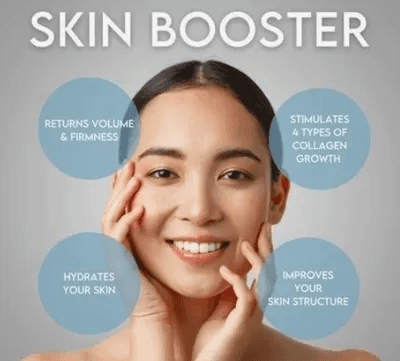
The term skin boosters is used for products and procedures designed to improve skin quality—often in areas like hydration, resilience, texture, and comfort. The big confusion is that “skin booster” doesn’t mean one single ingredient or one single mechanism. HA, PDRN, PN (polynucleotides), and peptide-based formulations work in different ways, and that affects who they’re best for and what results you can realistically expect.
Clear answer upfront:
HA skin boosters are primarily about hydration and skin barrier support.
PDRN skin boosters are typically framed around repair signaling that supports tissue regeneration and a calmer skin state.
PN skin boosters (polynucleotides) sit in the same “nucleic acid signal/support” category, but exact outcomes depend on the specific formulation and delivery method.
Peptide skin boosters aim to support collagen synthesis and cellular “messaging,” often positioned for maintenance and sensitive-skin-friendly routines.
This guide is educational and does not replace professional medical advice.
Key Takeaways
“Skin booster” is a category label, not a guarantee of the same mechanism.
HA works best for hydration-related texture and comfort; it’s often a great skin barrier support ingredient.
PDRN is commonly discussed in regenerative skincare for its role in tissue regeneration, including an anti-inflammatory effect narrative in scientific discussions.
PN (polynucleotides) are related in concept (nucleic-acid signaling/support), but formulations and delivery protocols matter.
Peptides are “signal-support” ingredients that can be useful for collagen support and maintenance.
How you deliver it (topical vs microneedling/mesotherapy vs injections) changes expectations for non-invasive skin rejuvenation.
What is a skin booster and how does it work?
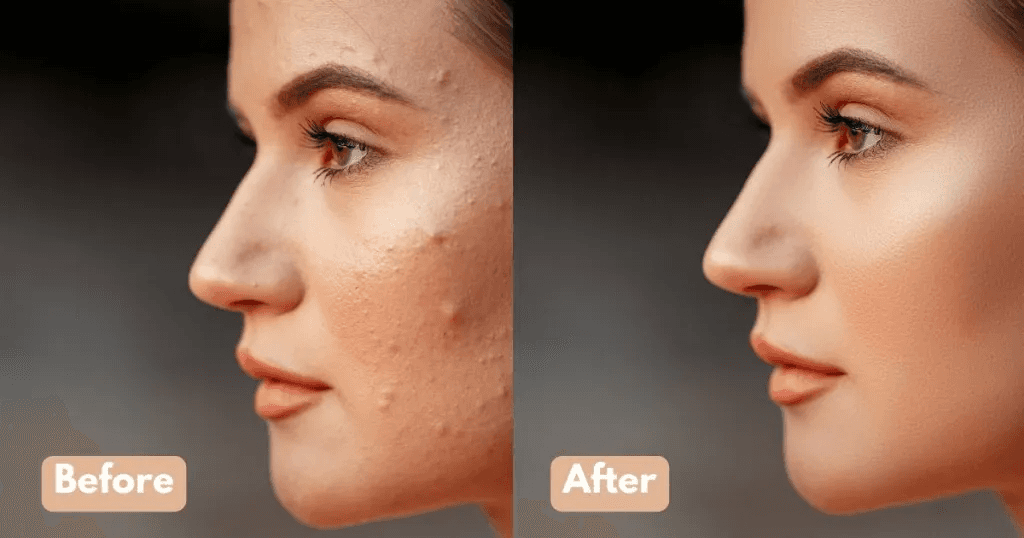
A skin booster is best understood as a treatment approach (ingredient + formulation + delivery method) intended to improve skin “quality,” not just surface appearance. Skin quality improvements often include:
smoother texture,
better-looking elasticity,
reduced dryness or sensitivity,
and faster, calmer recovery after stressors.
The difference between skin “hydration,” “support,” and “regeneration”
Think of three buckets:
Hydration (comfort + plumpness): often driven by hyaluronic acid (HA) and similar humectants.
Support (maintenance + environment): ingredients that help maintain cell communication and skin balance—where peptides often fit.
Regeneration (repair signaling): ingredients positioned to support tissue regeneration processes. This is where PDRN and PN are usually discussed.
Topical vs skin booster injections: what changes
Delivery method affects where the ingredient may interact:
Topical products generally work at the surface and upper layers, relying on penetration and barrier condition.
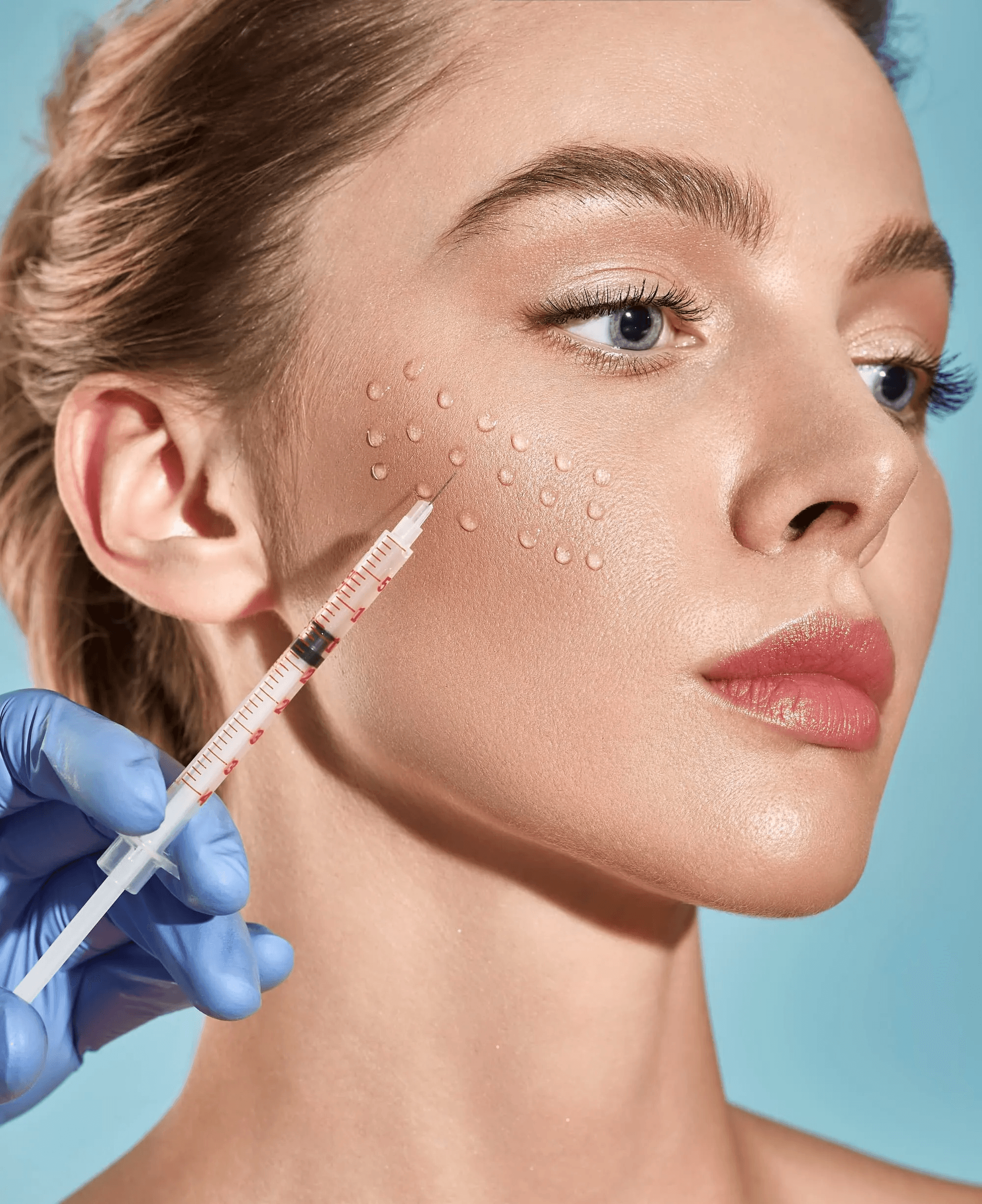
Procedures like microneedling/mesotherapy/injections may place actives more directly into deeper layers (again, protocol-specific and provider-specific).
This is why “HA skin booster” and “PDRN skin booster” may exist as both topical and professional treatments—yet produce different timelines and types of results.
HA skin booster (Hyaluronic Acid): hydration + comfort
The HA skin booster category is usually the most straightforward. Hyaluronic acid is a well-known water-binding molecule that helps improve the skin’s feel and visible hydration. When people describe HA as making skin look smoother or calmer, it often aligns with:
skin barrier support
improved moisture retention
and better tolerance of skincare routines
Hyaluronic acid and skin barrier support
When skin barrier support improves, skin tends to look less reactive. That can show up as reduced tightness, less flaking, and a more even surface—especially for people dealing with dryness or over-exfoliation.
Best for: dehydration, fine lines from dryness, post-treatment comfort
If your primary goal is non-invasive skin rejuvenation through comfort and hydration, HA-based treatments are often a sensible starting point—particularly if your skin is sensitive or inconsistent.
PDRN skin booster: regenerative skincare through repair signaling
What is PDRN in skin boosters?
PDRN stands for polydeoxyribonucleotide—a DNA-derived polymer used in regenerative skincare narratives. In many aesthetic contexts, it’s positioned as a bio-stimulator-adjacent approach: not a filler, but a signaling/support strategy.
You’ll also see “salmon” or “salmon sperm DNA skincare” language online. What matters for you as a consumer is not just the origin phrase; it’s the processed ingredient identity and how it’s formulated and delivered by the product or clinic.
PDRN’s relationship to tissue regeneration and anti-inflammatory effect
PDRN is often discussed in connection with:
tissue regeneration
stimulation/support of skin repair environments involving dermal fibroblasts
and an anti-inflammatory effect narrative through changes in skin cellular signaling (often described in terms of cytokine regulation)
Important editorial caution: the exact biological pathway is still an active research area, and marketing claims can simplify complex science. Where you see clinical-style phrasing (“wound healing properties”), treat it as context—not a direct promise of outcomes for every skin condition.
For the most responsible interpretation: PDRN is typically marketed for gradual improvements in skin elasticity and texture and improved recovery tone, not overnight “dramatic” transformation.
Best for: recovery, skin elasticity and texture (gradual improvements)
If your skin is stressed—after treatments, seasonal irritation, or long periods of dryness—PDRN is often chosen for its skin barrier repair PDRN positioning and “calming + rebuilding” story.
PN skin booster (Polynucleotides): where PN fits in
What are polynucleotides PN skin boosters?
PN commonly refers to polynucleotides. In aesthetics, PN is often used as an umbrella term in the same “nucleic-acid-derived” regenerative category as PDRN. That said, PDRN vs PN is where labels get messy: products may use overlapping terminology, and the exact composition or protocol can differ.
PN vs PDRN: what “the label” can’t fully tell you
Even when two products share an ingredient family, differences in:
molecular form,
purification/standardization,
concentration,
and delivery protocol
can change results and timelines.
So when someone asks PDRN vs PN vs peptides differences, the honest answer is: compare by mechanism and formulation specifics, not only by the marketing abbreviation.
Peptide skin booster: collagen support + signaling “helpers”
Peptides are short chains of amino acids. In skincare, peptide-based formulations are often designed to influence skin signaling related to:
collagen synthesis
elastin production
and overall skin elasticity and texture
Peptides vs “injectable bio-stimulators”: what differs
Peptide skin boosters can be topical or professional. In topical formulations, peptides typically work through:
supporting the skin’s biochemical environment,
improving routine consistency,
and addressing gradual quality changes.
In professional settings, “peptide boosters” may be formulated differently, and delivery can affect how quickly you see changes.
Best for: maintenance, strengthening routines, and sensitive-skin positioning
If you’re looking for skin booster for collagen and elastin support in a routine you can maintain, peptides can be a practical option—especially if your skin tolerates them well.
Featured snippet: HA vs PDRN vs PN vs peptides—how to choose
Use this quick checklist by your main goal:
Your top goal is hydration and comfort → consider an HA skin booster.
Your top goal is recovery + repair signaling → consider PDRN skin booster (or PN, if that’s your provider’s protocol).
Your top goal is long-term maintenance with “signal support” → consider peptide skin booster routines.
You want non-invasive skin rejuvenation → prioritize topical HA / peptides first; for PDRN-type results, delivery method matters.
You’re sensitive or irritated → choose barrier-first formats (often HA and gentle supporting actives), and patch test.
If you want the more specific comparison people search for: HA vs PDRN skin booster which is better?
HA is usually “better” for immediate comfort and hydration.
PDRN is usually chosen when the goal is repair-oriented skin quality over time.
The “best” choice depends on your baseline and expectations.
PDRN vs exosomes: different categories, different variability
People search PDRN vs exosomes because both appear under regenerative skincare headlines. But exosomes are biologically different: they are extracellular vesicles used in various regenerative narratives.
Practical guidance: choose based on:
clear ingredient/process transparency,
provider documentation,
and realistic outcomes.
If a clinic or brand can’t explain what you’re receiving in a way you can verify, that’s a reason to slow down—regardless of whether it’s framed as PDRN vs exosomes.
Skin barrier repair serum vs skin booster injection
A common decision is between skin barrier repair serum vs skin booster injection.
When a serum is enough
Topical serums are usually appropriate for:
dryness and comfort,
barrier support,
and gentle texture improvements.
When injections/procedures enter the conversation
Skin booster injections and procedure-based options are often explored when:
you want targeted delivery,
you need post-stress recovery support,
or you’re looking for deeper “regenerative” positioning.
The key point: delivery changes expectations. “Non-invasive skin rejuvenation” tends to work through gradual surface and barrier support, while injections are more protocol-dependent.
How to use PDRN serum for anti-aging (practical routine guidance)
If you’re using PDRN serum for anti-aging, think of it as “consistent support” rather than a single-session correction.
A barrier-first workflow (simple and realistic)
Start with gentle cleansing (no harsh over-exfoliation).
Apply PDRN serum to clean skin (follow the product’s frequency instructions).
Use moisturizer to support comfort and reduce irritation risk.
Use daily sunscreen—sun exposure is the most common reason “anti-aging” stalls.
What to avoid
Adding multiple aggressive actives at the same time as a new PDRN product
Expecting dramatic, immediate results
Skipping barrier support and then blaming the ingredient
If you’re specifically searching PDRN serum for anti-aging how to use, this is the core answer: keep your routine calm, consistent, and barrier-protective.
PDRN vs PN vs peptides differences: a side-by-side summary
Here’s the simplest way to understand the difference between PDRN vs PN vs peptides:
PDRN (polydeoxyribonucleotide): repair-oriented signaling narrative; commonly tied to calming/inflammation modulation and gradual skin quality changes in regenerative aesthetics.
PN (polynucleotides): similar “nucleic acid” category positioning; exact outcomes depend on formulation and protocol.
Peptides: signaling and maintenance support; often useful for routine-based improvements and collagen support narratives.
Safety, side effects, and who should be cautious
For topical skin boosters
Potential issues are generally irritation or sensitivity, especially if your barrier is compromised. Patch testing is the safe move when you’re adding a new active.
For professional treatments (microneedling/mesotherapy/injections)
Side effects can include temporary redness, swelling, or irritation. Provider selection and sterile technique are critical.
Avoid or delay (until you’ve consulted a qualified clinician) if you are:
dealing with an active skin infection or uncontrolled inflammatory condition,
pregnant or breastfeeding (follow local clinical guidance),
immunocompromised or managing complex medical conditions.
This is general safety guidance, not medical advice.
How to evaluate a skin booster product or clinic (buyer checklist)
When researching skin booster injections or topical boosters, use this checklist:
Ingredient clarity: Are they explicit about what the active is (HA vs PDRN vs PN vs peptide blends)?
Formulation transparency: Can you see INCI-style ingredients or at least clear product documentation?
Delivery method fit: Does the clinic explain why they’re choosing serum/topical vs procedures for your goal?
Expectation setting: Do they describe gradual, maintainable improvement rather than instant “miracle” results?
Aftercare plan: Do they provide post-treatment barrier support instructions?
Safety screening: Do they ask about allergies, active conditions, medications, and contraindications?
This is how you prevent trend-buying and instead choose a plan that matches your skin.
Conclusion: choose by mechanism + delivery, not by trend
Skin boosters can be great—when you pick the right type for your goal. If you want quick comfort and skin barrier support, start with an HA skin booster. If you want repair-forward, regenerative skincare positioning and are choosing professional protocols carefully, explore a PDRN skin booster approach. If you prefer long-term maintenance and “signal support,” peptide-based formulations may fit well. And if you’re comparing options like PDRN vs exosomes or HA vs PDRN skin booster which is better, remember: the “best” one is the one aligned with your needs, your skin baseline, and your expected timeline.
FAQ
1) What is a skin booster and how does it work?
A skin booster is a category for products or procedures intended to improve skin quality (texture, resilience, comfort, and sometimes elasticity) through hydration, support, or repair-oriented signaling—depending on the active ingredient and delivery method.
2) HA vs PDRN skin booster— which is better?
HA is typically better for hydration and immediate comfort. PDRN is usually chosen for repair-oriented skin quality goals over time. The better choice depends on your main concern (dryness vs recovery/texture).
3) What is PDRN in skin boosters?
PDRN is polydeoxyribonucleotide, a DNA-derived mixture used in regenerative skincare narratives. It’s commonly positioned around tissue repair signaling and skin comfort/recovery.
4) What are polynucleotides (PN) skin boosters?
PN refers to polynucleotides—another nucleic-acid-based category often discussed alongside regenerative skincare. Exact outcomes depend on formulation standards and how it’s delivered.
5) Peptide skin booster benefits for skin—what should I expect?
Peptides are often used for collagen support and gradual improvements in skin quality. Results generally fit a maintenance timeline rather than an instant transformation.
6) Skin barrier repair serum vs skin booster injection— which is right for me?
If your primary issue is dryness and barrier sensitivity, a serum is often the lower-risk starting point. If you want deeper delivery and regenerative protocol positioning, injections/procedures may be considered—but only after you’ve evaluated provider safety and expectation-setting.
Other Blogs