Blog
What Is CaHA Filler? A Complete B2B Guide for Aesthetic Product Distributors
Author
Ray
Published
Category
Guide
Learn everything aesthetic distributors need to know about CaHA filler, including composition, benefits, applications, market opportunities, regulatory considerations, and how to choose a reliable CaHA filler manufacturer. Discover why calcium hydroxyapatite fillers are becoming a key category in the global medical aesthetics market.


Author
Ray
An esteemed medical aesthetics expert with 40 years of profound experience in the field. With decades of expertise in non-invasive procedures, anti-aging science, and advanced dermatological solutions, the author is dedicated to sharing insights that connect clinical innovation with real-world patient results. Passionate about advancing safe, effective, and high-impact aesthetic treatments for a global clientele.
What’s better than insider perks, pro tips, and surprises?
Sign up to get the most recent blog articles in your email every week.
Join now.
Our company’s main product lines include HA (Hyaluronic Acid) fillers, CaHA (Calcium Hydroxylapatite) fillers, PLLA (Poly-L-Lactic Acid) biostimulators, and other advanced aesthetic solutions, all developed and manufactured by trusted partner facilities with whom we have maintained long-term, stable collaborations.
I help them with sales and export operations, while our company also provides sourcing and procurement services in China to help international clients solve supply-related challenges. If you need assistance with procurement, please feel free to contact us.
Introduction
The global medical aesthetics industry is rapidly evolving beyond traditional wrinkle correction. Today, clinics and practitioners are increasingly focused on regenerative treatments that not only restore lost volume but also improve skin quality and stimulate the body's natural repair mechanisms.
One of the fastest-growing categories in this segment is Calcium Hydroxyapatite (CaHA) filler. Unlike conventional hyaluronic acid fillers that primarily provide volume through gel implantation, CaHA fillers offer a dual mechanism of action: immediate volumization and long-term collagen stimulation. This combination has made CaHA a preferred solution for facial contouring, jawline enhancement, chin augmentation, hand rejuvenation, and skin biostimulation. Studies have shown that CaHA can stimulate collagen production and tissue regeneration while delivering structural support.
For aesthetic product distributors, understanding the CaHA filler market is no longer optional. Clinics worldwide are increasingly seeking regenerative injectable solutions that offer longer-lasting outcomes and greater patient satisfaction.
This guide explains everything distributors need to know about CaHA fillers, including composition, mechanism of action, clinical applications, market opportunities, sourcing criteria, and future trends.
What Is CaHA Filler?
Understanding Calcium Hydroxyapatite
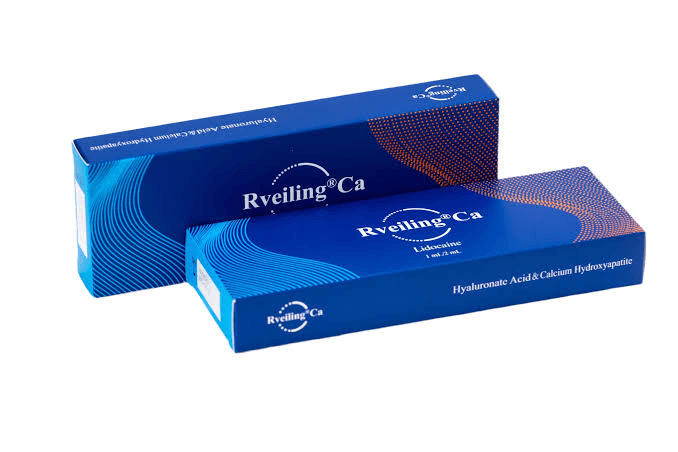
Calcium Hydroxyapatite (CaHA) is a naturally occurring mineral that forms a major component of human bones and teeth. In aesthetic medicine, microscopic CaHA particles are suspended within a gel carrier and injected into soft tissue to restore volume and stimulate collagen production. The FDA identifies calcium hydroxyapatite as an approved dermal filler material commonly used for facial wrinkles, folds, and hand rejuvenation.
Unlike traditional fillers that mainly occupy space, CaHA acts as a biostimulator that encourages fibroblasts to produce new collagen and extracellular matrix components.
This unique mechanism positions CaHA between traditional dermal fillers and regenerative injectable therapies.
Composition of CaHA Fillers
Most commercial CaHA fillers consist of:
Component | Function |
|---|---|
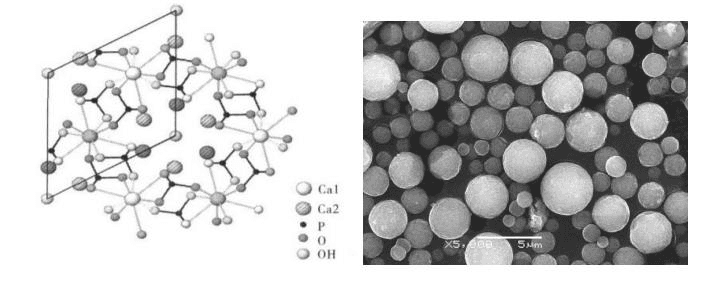
Calcium Hydroxyapatite Microspheres | Collagen stimulation and structural support |
Carboxymethylcellulose (CMC) Gel | Immediate volume restoration |
Sterile Water | Suspension medium |
Glycerin | Product consistency and injectability |
The microspheres typically remain after the carrier gel gradually dissipates, allowing new collagen formation to replace lost volume over time.
Why CaHA Is Considered a Biostimulator
Unlike purely volumizing fillers, CaHA creates a biological response.
Clinical studies have demonstrated that CaHA may support:
Neocollagenesis
Elastin production
Tissue remodeling
Improved dermal density
Enhanced skin quality
These regenerative effects are one of the primary reasons clinics increasingly market CaHA as a collagen-stimulating injectable rather than a simple filler.
How Does CaHA Filler Work?
Phase 1: Immediate Volume Restoration
Immediately following injection, the gel carrier provides visible correction.
Practitioners commonly use CaHA to address:
Deep facial folds
Jawline contour deficiencies
Chin projection
Mid-face volume loss
Hand volume depletion
Patients typically notice immediate improvement after treatment.
Phase 2: Collagen Stimulation
As the gel carrier gradually absorbs, CaHA microspheres remain within the tissue.
These particles stimulate fibroblast activity, promoting collagen production and extracellular matrix remodeling. Research has consistently identified collagen stimulation as a key mechanism behind the long-term effectiveness of CaHA fillers.
Phase 3: Tissue Regeneration
Over time, newly formed collagen replaces the lost structural support.
This process contributes to:
Improved skin firmness
Enhanced elasticity
Natural-looking contour enhancement
Longer-lasting results
Unlike some traditional fillers, tissue quality often improves throughout the treatment cycle rather than simply declining as the product degrades.
CaHA Filler vs Hyaluronic Acid Filler
Key Differences
Many distributors entering the aesthetics market ask whether they should focus on HA fillers or CaHA fillers.
The answer depends on market positioning.
Feature | CaHA Filler | HA Filler |
Immediate Volume | Yes | Yes |
Collagen Stimulation | Strong | Limited |
Skin Quality Improvement | Significant | Moderate |
Longevity | Up to 18 Months | Typically 6–12 Months |
Reversible | No | Yes |
Structural Support | Excellent | Moderate |
Ideal Areas | Jawline, Chin, Hands | Lips, Tear Troughs, Fine Lines |
The FDA notes that calcium hydroxyapatite fillers generally last around 18 months, making them one of the longest-lasting absorbable filler categories.
Which Market Segment Is Growing Faster?
The fastest-growing segment in medical aesthetics is regenerative aesthetics.
Clinics increasingly seek products that can:
Stimulate collagen
Improve skin quality
Extend treatment intervals
Deliver natural-looking outcomes
This trend has significantly increased demand for CaHA and other biostimulatory injectables.
Major Clinical Applications of CaHA Fillers
Facial Contouring
CaHA fillers are widely used for facial structure enhancement.
Jawline Enhancement
The high lifting capacity and structural integrity of CaHA make it highly effective for jawline definition and lower-face contouring.
Chin Augmentation
CaHA provides excellent projection and support for patients seeking non-surgical chin enhancement.
Cheek Restoration
Volume loss in the mid-face can be corrected while simultaneously stimulating collagen production.
Hand Rejuvenation
One of the most recognized applications for CaHA fillers is dorsal hand rejuvenation.
As aging causes fat loss in the hands, veins and tendons become more visible. CaHA restores volume while improving skin quality over time. FDA-approved filler indications include correction of volume loss in the back of the hands.
Hyperdiluted CaHA Treatments
A rapidly expanding treatment category is hyperdiluted CaHA.
Instead of focusing primarily on volume restoration, practitioners dilute the product to maximize collagen stimulation.
Common treatment areas include:
Neck
Décolletage
Upper arms
Abdomen
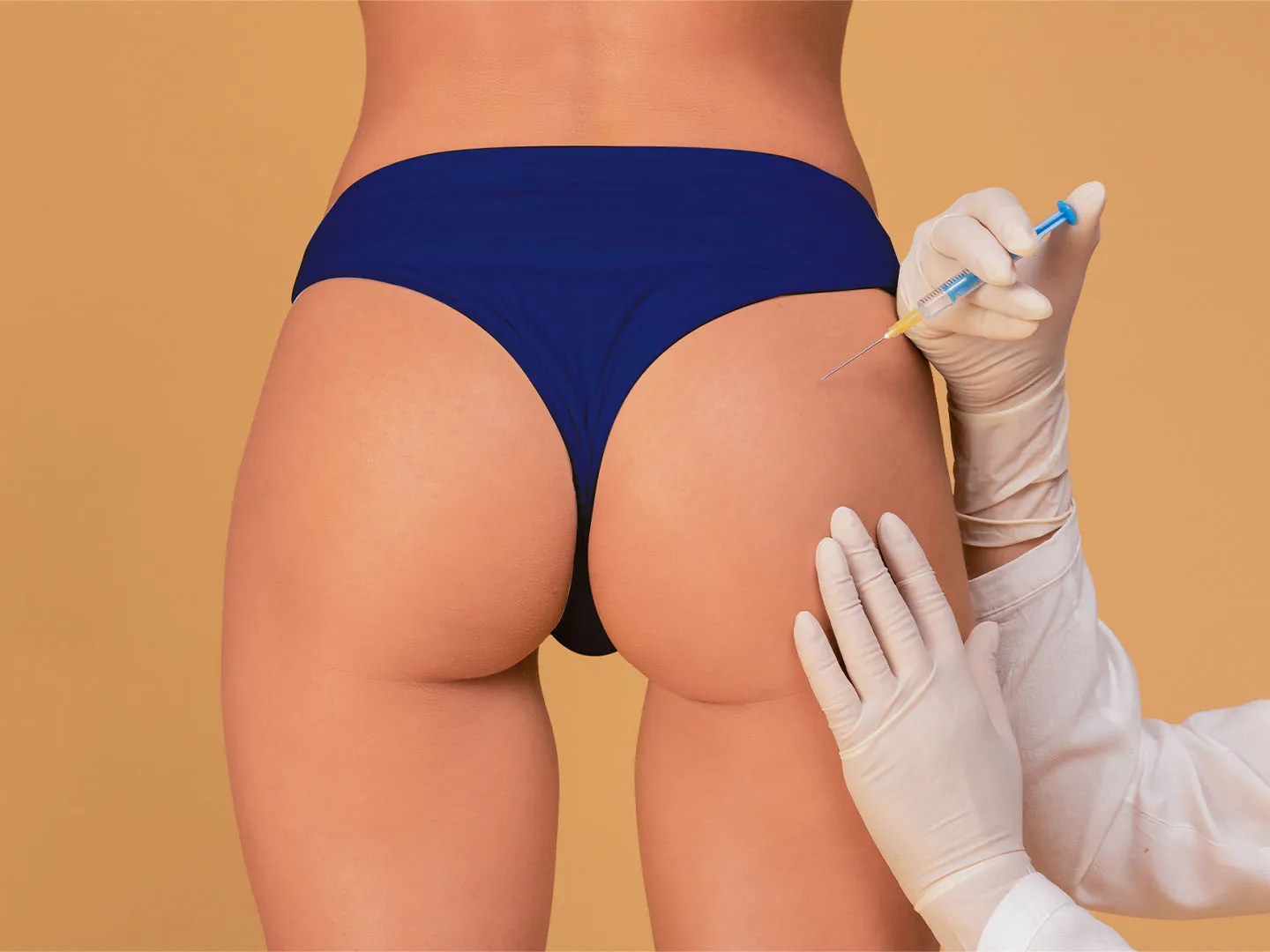
Buttocks
Knees
This approach aligns closely with the growing regenerative aesthetics movement.
Why Distributors Are Adding CaHA Fillers to Their Portfolio
Rising Demand for Regenerative Aesthetics
The global aesthetics market is shifting from simple wrinkle correction to tissue regeneration.
Clinics increasingly market:
Collagen stimulation
Preventive aging
Skin regeneration
Long-term rejuvenation
CaHA fillers fit perfectly within these treatment trends.
Higher Revenue Per Treatment
Compared with standard HA treatments, CaHA procedures often command premium pricing due to:
Longer duration
Regenerative benefits
Structural contouring capabilities
This creates attractive margins for distributors and clinics alike.
Cross-Selling Opportunities
CaHA fillers complement many other aesthetic categories:
Hyaluronic acid fillers
PLLA biostimulators
PDRN products
Mesotherapy solutions
Skin boosters
PDO threads
Distributors can leverage these complementary categories to increase average order value.
What Distributors Should Look for When Sourcing CaHA Fillers
Manufacturing Standards
A reputable manufacturer should provide:
ISO 13485 certification
GMP-compliant production
Sterility validation
Stability testing
Biocompatibility testing
These standards directly impact product consistency and safety.
Particle Technology
Not all CaHA fillers are created equally.
Distributors should evaluate:
Microsphere uniformity
Suspension stability
Injection smoothness
Product consistency
Advanced particle engineering often translates into better clinical outcomes.
Regulatory Documentation
Before importing products into target markets, distributors should review:
CE documentation
Product technical files
Clinical data
Safety reports
Registration support documents
Strong regulatory support can significantly accelerate market entry.
OEM and Private Label Opportunities
Private-label aesthetics continues to grow globally.
Key OEM evaluation criteria include:
Minimum order quantity
Brand customization options
Packaging support
Regulatory assistance
Market exclusivity opportunities
Safety Considerations for Clinics and Distributors
Common Temporary Reactions
Like all injectable fillers, CaHA may cause temporary reactions such as:
Swelling
Bruising
Redness
Tenderness
Itching
These effects are generally mild and self-limiting.
Important Injection Considerations
Proper training remains essential.
The FDA emphasizes that dermal fillers should only be administered by qualified healthcare professionals familiar with facial anatomy and complication management.
Distributors should prioritize physician education and injector training programs when introducing new products.
Future Trends in the CaHA Market
Regenerative Medicine Integration
The boundary between aesthetic medicine and regenerative medicine continues to blur.
Future CaHA applications are expected to increasingly focus on:
Tissue quality improvement
Preventive aging
Skin regeneration
Combination Treatment Protocols
Clinics increasingly combine:
CaHA fillers
Hyaluronic acid fillers
PDRN
Energy-based devices
Skin boosters
These protocols often deliver more comprehensive patient outcomes.
Expansion into Emerging Markets
Demand for regenerative injectables continues to rise in:
Southeast Asia
Latin America
Middle East
Eastern Europe
These regions represent significant opportunities for distributors seeking growth.
Conclusion
CaHA filler has emerged as one of the most important product categories in modern regenerative aesthetics. By combining immediate volumization with long-term collagen stimulation, it offers significant advantages for clinics seeking natural-looking results and for distributors seeking higher-value aesthetic solutions.
As demand for collagen biostimulators continues to expand globally, distributors who establish relationships with experienced CaHA manufacturers will be well positioned to capitalize on the next phase of growth in the medical aesthetics industry.
CTA: Partner with AOWITA
Looking to expand your aesthetic portfolio with advanced regenerative injectable products?
AOWITA provides OEM and private-label solutions for aesthetic distributors worldwide, including collagen-stimulating fillers, skin boosters, and innovative regenerative products backed by professional manufacturing and global distribution support.
Contact AOWITA today to explore distributor partnerships, private-label opportunities, and customized aesthetic product solutions.
FAQ
What is CaHA filler made of?
CaHA fillers contain calcium hydroxyapatite microspheres suspended in a gel carrier. Calcium hydroxyapatite is a naturally occurring mineral found in human bones and teeth.
How long do CaHA fillers last?
Most CaHA fillers can provide results lasting up to 18 months, depending on treatment area, injection technique, and patient characteristics.
Does CaHA filler stimulate collagen?
Yes. Multiple studies have demonstrated that CaHA stimulates collagen production and contributes to tissue regeneration over time.
Is CaHA filler better than hyaluronic acid filler?
Neither is universally superior. CaHA is often preferred for structural support and collagen stimulation, while HA fillers remain ideal for areas requiring softness and reversibility.
Why are distributors investing in CaHA fillers?
Growing demand for regenerative aesthetics, longer-lasting results, and premium treatment positioning make CaHA fillers an attractive category for distributors.
Can CaHA fillers be offered under private label programs?
Yes. Many manufacturers offer OEM and private-label services, allowing distributors to create proprietary aesthetic brands.
Other Blogs