Blog
How to Source Aesthetic Injectables from China: The Complete B2B Procurement Guide
Author
Ray
Published
Category
Guide
Looking to source aesthetic injectables from China for your clinic, brand, or distribution network? This guide covers product types, certifications, MOQ, OEM options, and import compliance — so you can find the right manufacturer with confidence.


Author
Ray
An esteemed medical aesthetics expert with 40 years of profound experience in the field. With decades of expertise in non-invasive procedures, anti-aging science, and advanced dermatological solutions, the author is dedicated to sharing insights that connect clinical innovation with real-world patient results. Passionate about advancing safe, effective, and high-impact aesthetic treatments for a global clientele.
What’s better than insider perks, pro tips, and surprises?
Sign up to get the most recent blog articles in your email every week.
Join now.
Our company’s main product lines include HA (Hyaluronic Acid) fillers, CaHA (Calcium Hydroxylapatite) fillers, PLLA (Poly-L-Lactic Acid) biostimulators, and other advanced aesthetic solutions, all developed and manufactured by trusted partner facilities with whom we have maintained long-term, stable collaborations.
I help them with sales and export operations, while our company also provides sourcing and procurement services in China to help international clients solve supply-related challenges. If you need assistance with procurement, please feel free to contact us.
How to Source Aesthetic Injectables from China: The Complete B2B Procurement Guide
The global aesthetic medicine market is growing fast. Demand for dermal fillers, collagen biostimulators, mesotherapy cocktails, and hair growth injectables is rising across every major market — from Southeast Asia and the Middle East to Latin America and Europe. And as clinics and distributors look to expand their product portfolios without inflating margins, one sourcing destination keeps rising to the top: China.
China is the world's largest producer of hyaluronic acid and a leading manufacturer of Class III injectable medical devices. With over two decades of R&D maturity, a vertically integrated supply chain, and GMP-certified production facilities capable of meeting international regulatory standards, Chinese manufacturers now supply some of the most advanced regenerative aesthetic products available on the global market.
But sourcing from China comes with real complexity. Not every supplier is equal. Certifications vary. Regulatory requirements differ by destination market. And knowing what questions to ask — and what documents to demand — is the difference between a profitable long-term partnership and a costly compliance failure.
This guide covers everything a B2B buyer needs to know: the product categories available, the certifications that matter, how OEM and ODM work, what MOQ to expect, how to navigate import regulations, and how to evaluate a Chinese manufacturer before placing your first order.
Why More Clinics and Brands Are Sourcing Aesthetic Injectables from China
China's dominance in the aesthetic injectable space is not accidental. It is the product of decades of pharmaceutical and biotech investment, a manufacturing ecosystem built for scale, and a government-backed push toward medical device export competitiveness.
A few structural advantages stand out for international buyers:
• Raw material leadership: China produces the majority of the world's pharmaceutical-grade hyaluronic acid, giving domestic manufacturers a fundamental cost and quality advantage over competitors sourcing externally.
• R&D depth: Leading Chinese biotech firms carry 20+ years of injectable formulation experience, with proprietary crosslinking technologies, PLLA-PEG microsphere engineering, and advanced cell-signaling research.
• Manufacturing scale: China's GMP-certified production lines can fulfill both sample-stage requests and high-volume international orders, often with faster lead times than European or US-based alternatives.
• Cost efficiency: At equivalent quality and compliance levels, Chinese-manufactured injectables can be priced 30–60% below comparable Western-branded products — preserving margin for distributors and brands.
• OEM/ODM maturity: China's contract manufacturing ecosystem is among the most developed globally, with suppliers offering full customization across formula, packaging, label, volume, and regulatory documentation.
That said, quality and compliance are not guaranteed by geography. A rigorous supplier evaluation process — covered in full later in this guide — is essential.
Understanding the Main Types of Aesthetic Injectables Available from Chinese Manufacturers
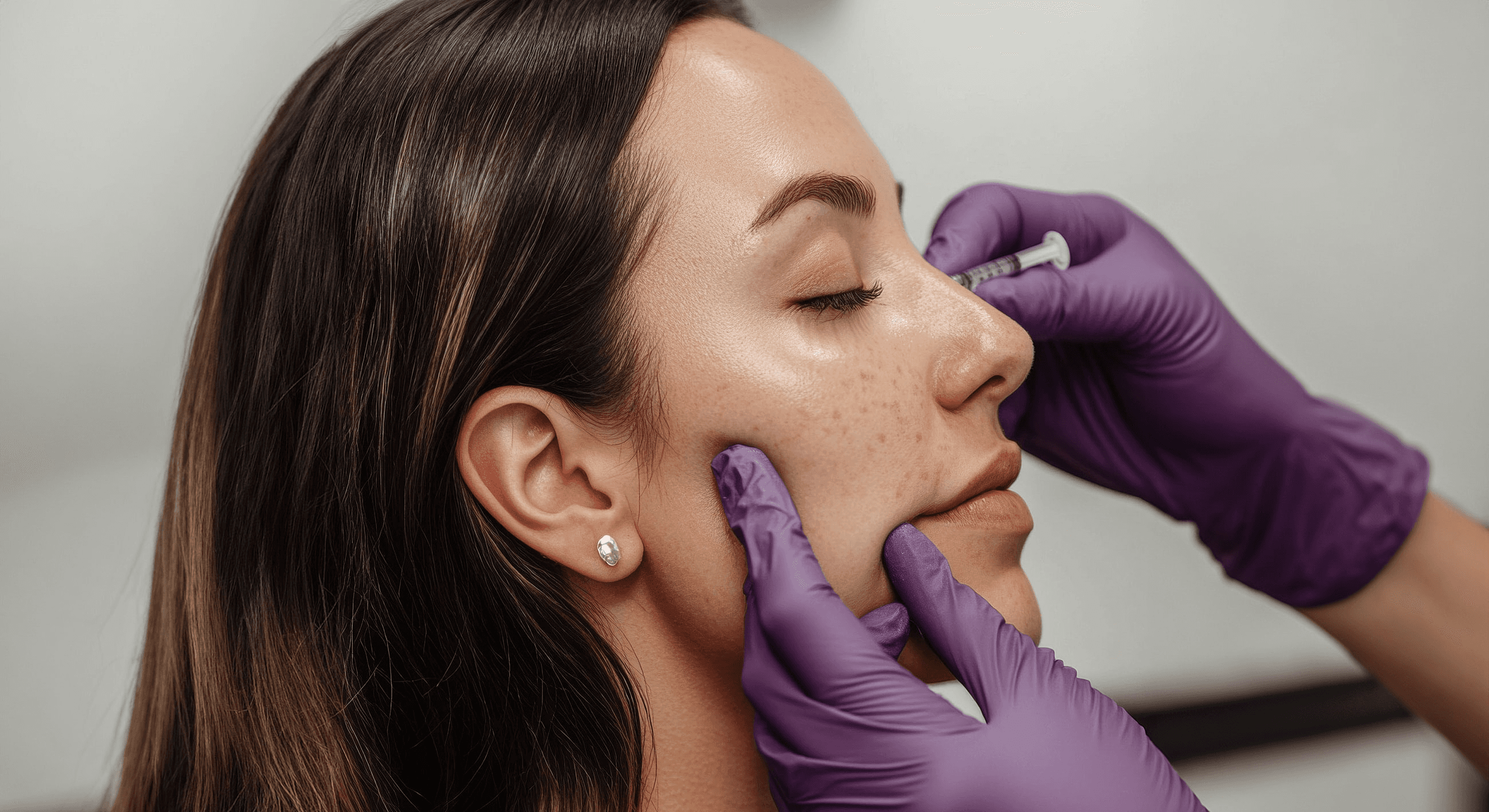
Before contacting suppliers, it helps to understand the main product categories — what they are, how they differ, and which buyer profiles they suit. Chinese manufacturers typically offer the following injectable lines:
Hyaluronic Acid (HA) Dermal Fillers
HA fillers are the most widely sourced injectable product category globally. They work by integrating with the skin's own extracellular matrix to add volume, smooth wrinkles, and restore hydration. Chinese manufacturers produce HA fillers across multiple formulation types:
• Monophasic HA: uniform gel consistency; ideal for fine lines and superficial wrinkles
• Biphasic HA: combines cross-linked particles in a gel carrier; good for mid-depth volume correction
• Highly cross-linked HA: maximum longevity and structural lift; used for nasolabial folds and deep volume
• Micro cross-linked HA: softest texture; suited for lip enhancement and delicate areas
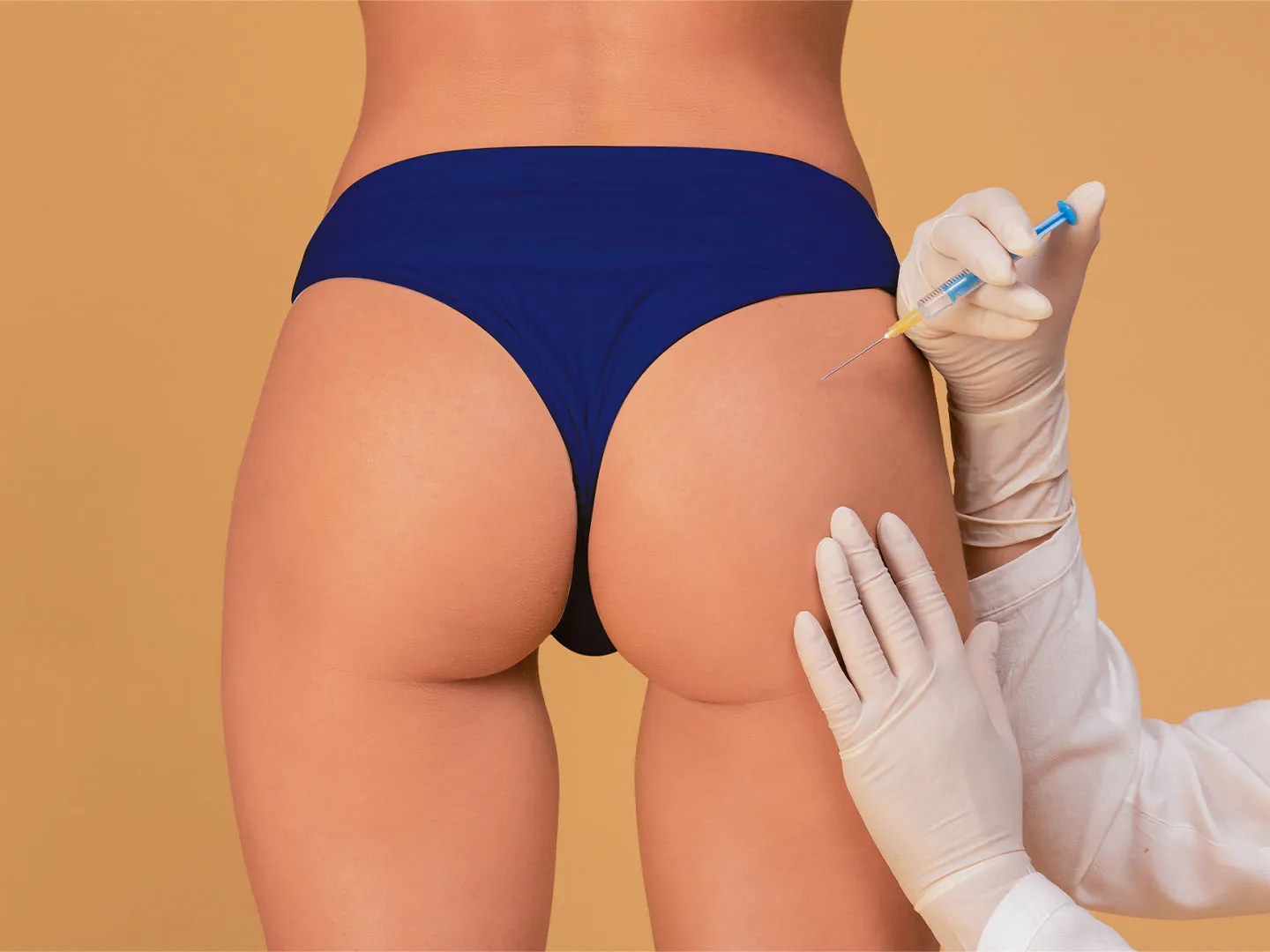
Available specifications typically include 1 mL and 2 mL prefilled syringes, with and without lidocaine. Larger volumes (up to 20 mL) are available for body applications such as buttock augmentation.
PLLA-PEG Collagen Biostimulators
Poly-L-Lactic Acid-Polyethylene Glycol (PLLA-PEG) represents the next generation of collagen-stimulating injectables. Unlike traditional PLLA fillers, PLLA-PEG microspheres are more uniformly sized and more stably dispersed, reducing the risk of nodule formation and delivering more predictable clinical outcomes.
These products are available in two forms: ready-to-use prefilled syringes and freeze-dried powder vials for reconstitution. The powder format offers longer shelf life and easier cold-chain logistics — an important consideration for international buyers.
Applications include facial volume restoration, cheek lifting, and hand rejuvenation. The collagen-biostimulation mechanism means results develop over weeks and can last significantly longer than standard HA fillers.
Calcium Hydroxyapatite (CaHA) and HA-CaHA Hybrid Fillers
CaHA fillers are composed of calcium hydroxyapatite microspheres suspended in a gel carrier. They provide both immediate volumizing effects and longer-term collagen biostimulation. Because the microspheres are biocompatible and eventually absorbed by the body, CaHA fillers are considered non-permanent but long-lasting.
An emerging product category is the HA-CaHA hybrid filler, which combines the immediate soft-tissue integration of HA with the structural and biostimulatory properties of CaHA. For distributors building a multi-product facial rejuvenation portfolio, hybrid fillers offer a compelling clinical positioning story.
Mesotherapy and PDRN Products
Mesotherapy products are a broad category of injectable cocktails designed for skin rejuvenation, hydration, brightening, and targeted concerns such as acne, hyperpigmentation, and barrier repair. They are typically administered in micro-injections across the dermis or subdermis.
Polydeoxyribonucleotide (PDRN) is one of the most clinically validated active ingredients in this space. It promotes DNA repair, stimulates growth factors, and accelerates tissue regeneration. While HA provides immediate surface hydration and plumping, PDRN drives cellular-level repair — the two are often used in combination protocols.
Fat-dissolving injectables (lipodissolvents) are also classified under the mesotherapy umbrella by many suppliers and are a fast-growing segment for body contouring clinics.
Medical-Grade Hair Growth Products
Minoxidil-based hair regrowth serums are gaining significant traction in the medical aesthetics channel. Designed for androgenetic alopecia and alopecia areata, these products dilate scalp blood vessels, promote microcirculation in hair follicles, and extend the anagen phase of hair growth.
For clinic distributors looking to diversify beyond facial injectables, adding a medical-grade hair loss treatment product to the portfolio opens a distinct patient segment with strong recurring demand.
What Certifications to Look for When Sourcing Aesthetic Injectables from China
This is where many first-time B2B buyers underestimate the complexity. Certifications for injectable medical devices are more demanding than for topical skincare or general wellness products — and rightly so. Products entering the body must meet strict manufacturing, safety, and efficacy standards that vary by destination market.
GMP Certification
Good Manufacturing Practice (GMP) certification is the baseline requirement. In China, GMP compliance for Class III medical devices (which includes most injectable fillers) is governed by the National Medical Products Administration (NMPA). Suppliers manufacturing to NMPA Class III standards operate under some of the most rigorous domestic regulatory frameworks.
When evaluating a supplier, request the GMP certificate and the associated production license (生产许可证). Verify that the scope of the certificate covers the specific product category you are sourcing — a GMP certificate for skincare does not cover injectables.
Key Documents to Request Before Placing an Order
• COA (Certificate of Analysis): batch-specific testing results confirming product composition, viscosity, sterility, and endotoxin levels. Request this for every production batch, not just the first.
• MSDS (Material Safety Data Sheet): required for international shipping and customs classification.
• ISO 13485: the international standard for medical device quality management systems. A credible injectable manufacturer should hold this certification.
• CE Mark: required for European market access under MDR 2017/745. Confirms conformity with EU safety and performance standards.
• NMPA Product Registration Certificate: confirms the product is legally registered in China as a medical device. Useful as a base-level quality signal even for non-China market sales.
• Halal / Kosher Certificates: important for Middle East and Southeast Asia market compliance. Ask whether HA is animal-derived (rooster comb) or fermentation-based (non-animal).
• Third-party test reports: SGS, Intertek, or equivalent independent lab reports on heavy metals, microbial content, and physical properties.
How to Verify a Supplier's Compliance
Do not rely solely on documents provided by the supplier. Verification steps include:
1. Search the NMPA public database (nmpa.gov.cn) using the product registration number provided by the supplier to confirm it is genuine and current.
2. Request third-party lab test reports from SGS, Intertek, or a regionally recognized testing body — not just internal QC reports.
3. Ask for a video factory audit or, ideally, conduct an in-person visit before placing large orders.
4. Check whether the supplier has export history to your target market — ask for references or existing distribution agreements.
OEM vs ODM for Aesthetic Injectables: Which Model Is Right for Your Business?
If you are sourcing injectables to build or expand a brand — rather than simply distributing an existing manufacturer's product line — you will need to choose between two contract manufacturing models: OEM and ODM. The distinction matters because it determines your product's uniqueness, your timeline to market, your cost structure, and your intellectual property position.
| OEM | ODM |
Formula | Supplier's existing formula | Full custom R&D by supplier team |
Branding | Your logo, label, packaging | Your brand + proprietary formula |
Time to market | Faster (4–8 weeks typical) | Longer (3–9 months) |
MOQ | Lower (often 50–200 units/SKU) | Higher (500+ units typical) |
Best for | New market entrants, rapid launch | Established brands, differentiation |
IP ownership | Shared / supplier retains formula | Full IP transfer negotiable |
OEM: Original Equipment Manufacturer
In an OEM arrangement, you use the manufacturer's existing, validated formula and apply your own branding. This is the fastest route to market for new entrants and distributors who want to private-label proven products. Customization typically covers logo design, label language, packaging style, and volume specifications (e.g., requesting 1.5 mL syringes instead of 1 mL or 2 mL standards).
OEM is well-suited for: clinics and distributors entering a new market, brands testing a new product category, and buyers who want low-risk, compliant products without the cost of bespoke R&D.
ODM: Original Design Manufacturer
In an ODM arrangement, the manufacturer's R&D team works with you to develop a custom formula from scratch — or significantly modifies an existing one — to meet your specific clinical, market, or regulatory requirements. The resulting product is exclusively yours, and depending on the agreement, you may retain full intellectual property ownership.
ODM is suited for: established brands seeking product differentiation, buyers targeting specific ingredient profiles or concentration levels, and companies building long-term IP assets in the aesthetic space.
Aowita's OEM/ODM Capabilities
Aowita Biotech offers full OEM and ODM services across its Rveiling® injectable portfolio. The customization scope includes:
• Logo and label customization in any language
• Packaging design and material selection
• Formula adjustments and proprietary ingredient combinations
• Volume and syringe specification customization
• Full regulatory documentation support for your target market
The process runs from consultation and formula development through sample confirmation, GMP-standard mass production, and packaged delivery — a single-supplier workflow that removes coordination overhead for international buyers.
Minimum Order Quantities and the Typical Procurement Process
What MOQ to Expect
Minimum order quantities vary significantly depending on whether you are purchasing standard shelf products or commissioning a custom OEM/ODM run. As a general guide:
• Standard products (shelf SKUs): MOQ typically starts at 50–100 units per SKU. Some suppliers accommodate lower quantities for sample evaluation.
• OEM private label (existing formula, custom branding): MOQ is commonly 200–500 units per SKU, depending on packaging customization complexity.
• ODM custom formula: MOQ is higher — typically 500+ units — reflecting the R&D and tooling investment involved.
For first-time buyers, it is strongly recommended to start with a sample order before committing to minimum production volumes. A sample evaluation should cover product physical properties, sterility documentation, and a review of all compliance paperwork.
Step-by-Step: How a Typical First Order Works
5. Submit an enquiry specifying your target products, destination market, expected annual volume, and any OEM/ODM requirements.
6. Receive product datasheets, COA documents, certifications, and a preliminary quotation from the supplier.
7. Request samples (typically requires a sample fee plus international shipping costs, which may be credited toward the first production order).
8. Evaluate samples internally — assess physical properties, review documentation, and if applicable, run third-party testing.
9. Execute a purchase contract or OEM/ODM agreement covering specifications, pricing, lead time, IP terms, and quality standards.
10. Pay the agreed deposit (typically 30%) to initiate production.
11. Receive pre-shipment QC documentation and, if required, arrange third-party inspection before goods leave the factory.
12. Pay the balance, receive shipping and customs documentation, and arrange import clearance in your destination market.
Import Regulations for Aesthetic Injectables: A Regional Overview
Injectable dermal fillers and biostimulators are classified as medical devices in virtually every regulated market. This means they are subject to pre-market approval or registration requirements before they can be legally sold or administered — and those requirements differ significantly by country.
The table below provides a high-level overview. It is not legal or regulatory advice. Before entering any market, consult a local regulatory affairs specialist or licensed import agent.
Market | Regulator | Classification | Key Requirements | Notes |
EU | CE / MDR | Class III Medical Device | CE Mark + Clinical Evaluation Report | Required for all EU member states; updated MDR 2017/745 in effect |
United States | FDA | 510(k) / PMA | FDA registration; most HA fillers require PMA pathway | Consult a US regulatory consultant before attempting market entry |
SE Asia | National MOH | Medical Device | Local product registration + import license | Country-by-country (Thailand, Malaysia, Philippines differ) |
Middle East | SFDA / MOHAP | Medical Device | Halal certification + local market registration | Saudi & UAE are key markets; Halal cert strongly recommended |
Latin America | ANVISA / INVIMA | Medical Device | Local technical dossier + registered import agent | Brazil (ANVISA) and Colombia (INVIMA) are largest markets |
Southeast Asia (SG) | HSA | Class C/D Medical Device | HSA product registration + GMP certification | Singapore is a regional hub; strict compliance required |
A few additional points worth noting for international buyers:
• Regulatory registration is typically the importer's responsibility, not the manufacturer's. Your supplier can provide supporting documentation (technical files, COAs, CE certificates), but local registration must be handled in-country.
• Some markets require a local regulatory representative or 'authorized representative' to be named before registration can proceed.
• Halal certification is not merely a marketing preference in markets like Saudi Arabia and Malaysia — it may be a legal import requirement for certain product categories.
• The US market is among the most restrictive: most HA fillers require a Premarket Approval (PMA) application, which is a significant regulatory undertaking. Few Chinese manufacturers hold FDA approval for injectable fillers at present.
How to Choose the Right Aesthetic Injectable Manufacturer in China
The sourcing decision ultimately comes down to a supplier evaluation. Use the following five questions as your due diligence framework — and treat the answers as non-negotiable before committing to a partnership
1. Does the product hold registration for your target market?
Certifications relevant to your destination market — CE, NMPA registration, FDA approval — are the clearest signal of a product's compliance readiness. A supplier who cannot produce these documents for your target market is not the right partner for that market, regardless of how competitive their pricing is.
2. Is the factory GMP-certified for Class III medical devices?
Request the GMP certificate and the production license. Verify the specific product category covered. A GMP certificate for cosmetics or Class I devices does not qualify a manufacturer to produce sterile injectables.
3. Can the supplier provide third-party test reports?
Internal QC reports are a start, but they are self-reported. Request independent test reports from SGS, Intertek, or an equivalent internationally recognized testing body. Key parameters to check include: sterility, endotoxin/pyrogen levels, viscoelastic properties (G', G''), cross-linking degree, heavy metal content, and lidocaine concentration (where applicable).
4. What is the scope of OEM/ODM capability?
If branding or customization is part of your strategy, evaluate the manufacturer's actual capability — not just their claims. Ask for examples of previous OEM projects, request the sample timeline, and confirm the scope of what can be customized (formula, volume, packaging, documentation language).
5. Does the supplier have international logistics and documentation experience?
Sterile injectable products have specific cold-chain and handling requirements. Confirm that the supplier has experience shipping to your region, can provide correctly formatted shipping documents (commercial invoice, packing list, certificate of origin, relevant permits), and can support customs clearance in your destination country.
Why Global Distributors Choose Aowita Biotech as Their Injectable Partner
Aowita Biotech is a Zhejiang-based biotechnology company with over 23 years of hyaluronic acid research and manufacturing experience. Operating under the Rveiling® brand, Aowita produces a full spectrum of regenerative aesthetic injectables — from HA and PLLA-PEG fillers to CaHA hybrid products, mesotherapy formulations, and medical-grade hair regrowth serums.
What distinguishes Aowita for B2B buyers:
• Vertical integration: from HA fermentation to finished injectable, the entire production chain is in-house — enabling tighter quality control and more consistent batch-to-batch performance.
• Compliance infrastructure: full documentation available upon request, including COA, MSDS, ISO 13485, Halal and Kosher certificates, and GMP compliance evidence for Class III medical devices.
• OEM/ODM breadth: logo, packaging, formula, volume, and label customization are all offered in-house, with a structured development process from initial consultation to final shipment.
• Proven scale: Aowita has developed customized solutions for more than 580 brands globally, with 28+ registered trademarks and patented product innovations.
• Market-ready documentation: the team can support regulatory dossier preparation for EU, ASEAN, and Middle East market entry.
Ready to Source Aesthetic Injectables from China?
China offers a compelling combination of manufacturing capability, R&D depth, cost competitiveness, and OEM flexibility for aesthetic injectable sourcing. But realizing those advantages requires selecting the right partner — one with the certifications, the documentation, and the export experience to support your market entry or portfolio expansion effectively.
Aowita Biotech has been supplying regenerative aesthetic injectables to global distributors, clinic groups, and private-label brands for over two decades. Whether you are placing your first sample order or scaling an established product portfolio, our team is ready to provide the product information, compliance documents, and pricing you need to move forward.
Frequently Asked Questions
Is it legal to import aesthetic injectables from China?
Yes, but only if the products comply with the medical device regulations of your destination country. Most markets require either local product registration or an import license before injectables can be sold or administered commercially. The manufacturer can provide supporting documentation, but the registration process itself is typically the importer's responsibility. We strongly recommend engaging a local regulatory affairs consultant before your first shipment.
What is the minimum order quantity (MOQ) for HA dermal fillers?
MOQ varies by product type and supplier. For standard Rveiling® shelf products, typical MOQ starts at 50–100 units per SKU. OEM private-label orders using existing formulas generally start at 200–500 units, depending on packaging customization. ODM custom-formula projects carry higher minimums given the R&D investment involved. Contact our team for product-specific MOQ details.
Can I get GMP-certified products from Aowita?
Yes. Aowita Biotech manufactures under GMP standards applicable to Class III medical devices. Full compliance documentation — including COA, MSDS, and ISO certifications — is available upon request to assist with your import and registration process.
How long does it take to receive a sample?
Standard product samples are typically dispatched within 3–5 business days after order confirmation and payment. OEM/ODM development samples, which require formula customization and packaging production, may take 4–8 weeks depending on project complexity.
Do you support white-label or private-label packaging?
Yes. Aowita offers complete OEM and ODM services including logo customization, packaging design, formula adjustments, volume modifications, and multilingual labeling. Our team will work with you to ensure the final product meets your brand standards and any applicable regulatory labeling requirements in your target market.
Is Aowita's hyaluronic acid animal-derived or vegan?
Aowita's hyaluronic acid is 100% non-animal origin, produced through advanced microbial fermentation using non-GMO bacteria. This means the product is suitable for markets and patient populations requiring non-animal or vegan-compatible formulations, and can support Halal and Kosher certification applications.
Other Blogs