博客
PLLA-PEG Freeze-Dried Powder Facial Implant Filler B2B Procurement Guide | OEM Manufacturer Insights 2026
作者
Ray
已发布
类别
设计与灵感
Learn how to source PLLA-PEG freeze-dried powder facial implant fillers from reliable manufacturers. This B2B guide covers OEM options, compliance standards, quality control, and global procurement strategies for aesthetic distributors and clinics.


作者
Ray
一位享有盛誉的医学美学专家,在该领域拥有40年的深厚经验。凭借在非侵入性手术、抗衰老科学以及先进皮肤病学解决方案方面的数十年专业知识,作者致力于分享将临床创新与真实患者成果相结合的见解。热衷于为全球客户推进安全、有效且高影响力的美学治疗。
还有什么比内部优惠、专业建议和惊喜更好的呢?
注册可每周在您的电子邮件中接收最新的博客文章。
立即加入。
Our company’s main product lines include HA (Hyaluronic Acid) fillers, CaHA (Calcium Hydroxylapatite) fillers, PLLA (Poly-L-Lactic Acid) biostimulators, and other advanced aesthetic solutions, all developed and manufactured by trusted partner facilities with whom we have maintained long-term, stable collaborations.
I help them with sales and export operations, while our company also provides sourcing and procurement services in China to help international clients solve supply-related challenges. If you need assistance with procurement, please feel free to contact us.
PLLA-PEG freeze-dried powder facial implant filler is a next-generation biostimulatory dermal injectable designed for long-term facial volume restoration and collagen regeneration.
Unlike hyaluronic acid fillers that provide immediate volumization, PLLA-PEG-based fillers work through controlled collagen synthesis stimulation, making them a preferred solution for aesthetic medicine distributors, medical spa chains, dermatology clinics, and OEM/private label cosmetic brands.
This guide provides a technical, regulatory, and commercial framework for global B2B procurement.
1. What Is PLLA-PEG Freeze-Dried Powder Facial Implant Filler?
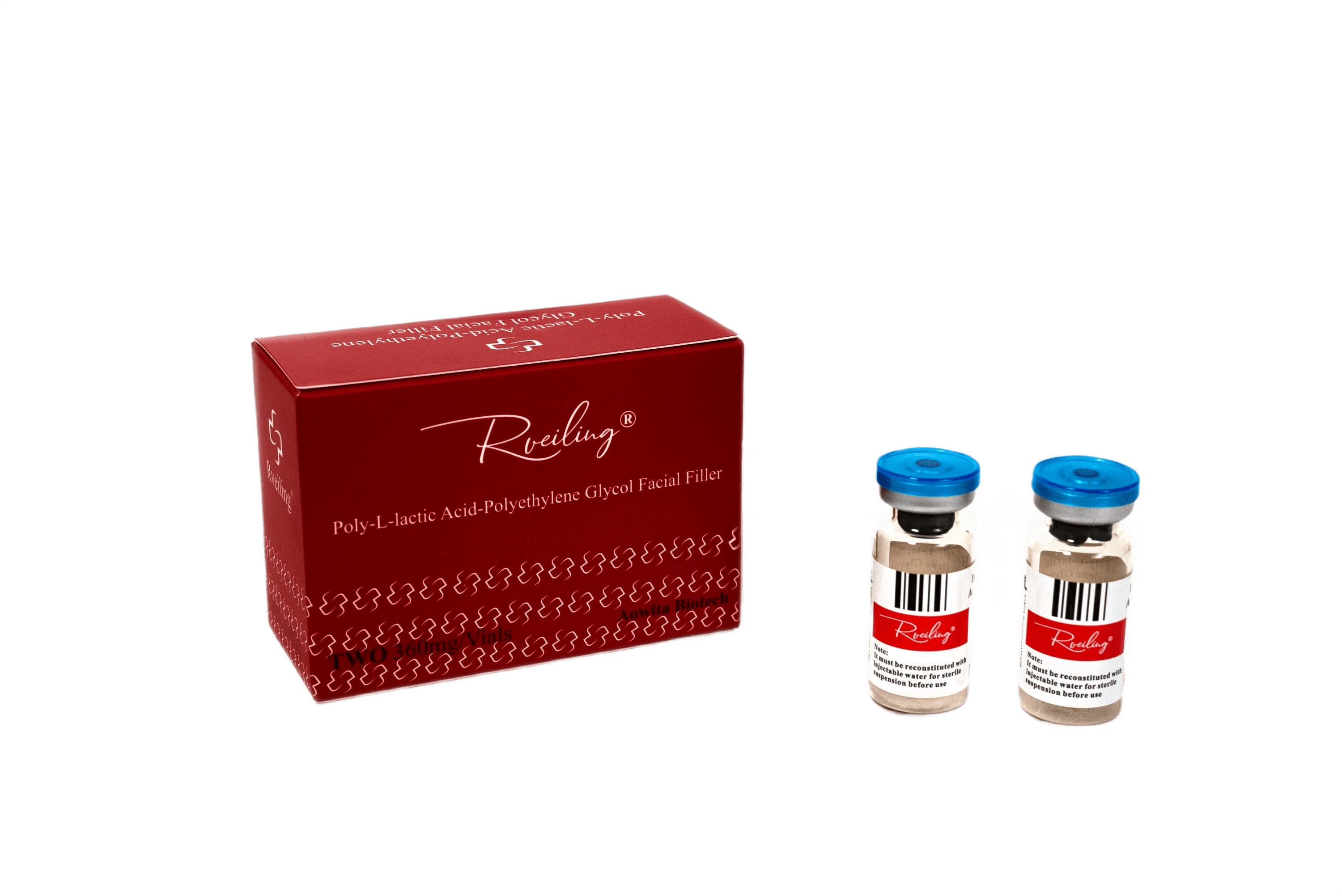
PLLA-PEG filler is a lyophilized injectable powder composed of Poly-L-Lactic Acid (PLLA) and Polyethylene Glycol (PEG).
After reconstitution with sterile water or saline, it is injected into dermal layers to stimulate fibroblast activity and promote collagen type I and III synthesis, resulting in gradual and long-lasting volume improvement.
This product belongs to the biostimulatory injectable category, competing with PCL, CaHA, and HA fillers.
2. Why PLLA-PEG Fillers Are Gaining Global Demand
The global aesthetic injectable market is shifting toward regenerative and long-lasting solutions rather than temporary fillers.
Key demand drivers include:
Rising demand for non-surgical facial rejuvenation
Aging population across developed regions
Expansion of medical aesthetic clinics and medspas
Preference for long-term collagen stimulation treatments
Industry research shows the biostimulatory filler market continues to grow steadily, driven by minimally invasive aesthetic procedures.
3. Key Technical Specifications B2B Buyers Must Evaluate
For procurement teams, technical consistency is more important than branding.
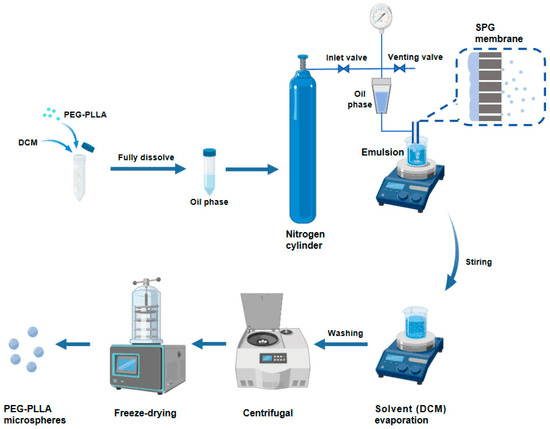
Particle morphology and size distribution must be uniform to ensure predictable collagen response and reduce risk of nodules or uneven outcomes.
PEG dispersion systems should ensure stable suspension after reconstitution and prevent aggregation during injection.
Sterility assurance level must meet injectable-grade standards (≥10⁻⁶), and endotoxin levels must be tightly controlled under biocompatibility requirements.
Reconstitution performance should allow full dispersion within 15–30 minutes without clumping or sedimentation.
4. Manufacturing Standards & Regulatory Compliance
A qualified PLLA-PEG supplier must operate under strict medical-grade systems.
Required compliance includes:
ISO 13485 medical device quality management system
GMP-certified sterile manufacturing environment
ISO 10993 biocompatibility testing
CE certification for EU compliance (where applicable)
Stability and sterility validation reports
In regulated markets such as the EU and Middle East, incomplete documentation can result in immediate customs rejection or product registration failure.
5. OEM & Private Label Opportunities
PLLA-PEG fillers are highly suitable for OEM and private label business models.
Customization options typically include:
Private label packaging and vial branding
Adjustable concentration per vial
Multilingual labeling for global distribution
Clinic treatment kits (diluent, cannulas, instructions)
Brand-specific clinical protocol development
OEM strategies allow distributors to improve margins, build brand loyalty, and reduce price-based competition.
6. Supplier Evaluation Framework
When selecting a manufacturer, B2B buyers should evaluate the following dimensions:
Manufacturing capability includes polymer formulation expertise, microsphere production stability, and batch-to-batch consistency in large-scale production.
Quality assurance systems should include analytical testing such as HPLC, GPC, endotoxin testing, and full batch traceability.
Export experience is critical for regulatory documentation support and stable international logistics handling.
OEM readiness includes flexible MOQ policies, packaging prototyping capability, and fast customization cycles.
7. Storage and Logistics Requirements
PLLA-PEG freeze-dried powder is relatively stable compared to pre-mixed injectable products.
Recommended conditions include:
Storage temperature between 2–25°C
Shelf life of approximately 24–36 months
Protection from humidity and condensation
No freezing required due to lyophilized structure
For international shipping, moisture-proof packaging and controlled logistics processes are essential to maintain product integrity.
8. Clinical Positioning vs Competing Fillers
PLLA-PEG fillers belong to the regenerative injectable category.
Hyaluronic acid fillers provide immediate but temporary volume, typically lasting 6–12 months.
PLLA-based fillers stimulate collagen production gradually, with results lasting 12–24 months.
PCL-based fillers offer slower degradation and longer duration, typically 18–36 months.
This positions PLLA-PEG as a balanced solution between immediate correction and long-term regenerative effect.
9. Market Outlook (2026–2030)
The aesthetic injectable industry is shifting toward biostimulatory and regenerative solutions.
Key trends include:
Increased adoption of collagen-stimulating fillers
Combination therapy protocols in aesthetic clinics
Expansion of OEM/private label brands in emerging markets
Stricter regulatory frameworks in EU and US markets
Demand is particularly strong in Southeast Asia, the Middle East, and Latin America due to rapid growth in medical aesthetic clinics.
10. Conclusion
PLLA-PEG freeze-dried powder facial implant fillers represent a high-growth category in the global aesthetic injectable market.
For B2B buyers, procurement success depends on regulatory compliance, manufacturing consistency, OEM flexibility, and long-term supply chain stability.
Choosing the right supplier is not only a cost decision, but a strategic decision involving clinical performance, regulatory approval, and brand positioning.
Frequently Asked Questions (FAQ)
What is PLLA-PEG freeze-dried powder facial implant filler used for?
PLLA-PEG freeze-dried powder facial implant filler is used for long-term facial volume restoration and collagen stimulation. It is commonly applied in aesthetic clinics for anti-aging treatments, facial contour improvement, and skin quality enhancement.
How does PLLA-PEG filler work compared to hyaluronic acid fillers?
Hyaluronic acid fillers provide immediate volume by physically filling space in the skin, but results are temporary. PLLA-PEG fillers work as biostimulators, gradually triggering the body’s natural collagen production, resulting in longer-lasting and more natural improvements.
How long do PLLA-PEG filler results last?
Results typically last between 12 to 24 months depending on formulation, injection technique, and individual patient metabolism. Because collagen is gradually regenerated, results often improve over time after treatment.
Is PLLA-PEG filler safe for clinical use?
Yes, when manufactured under ISO 13485 and GMP-certified conditions and properly tested for sterility and biocompatibility. Safety depends heavily on production quality, endotoxin control, and correct clinical administration.
What certifications should a PLLA-PEG filler supplier have?
A reliable supplier should provide:
ISO 13485 certification
GMP manufacturing compliance
ISO 10993 biocompatibility testing
Sterility and endotoxin test reports
CE certification for EU market entry (if applicable)
Can PLLA-PEG filler be used for OEM or private label branding?
Yes. PLLA-PEG fillers are widely used in OEM and private label manufacturing. Companies can customize packaging, branding, concentration levels, and clinic kits for distribution in global markets.
What is the difference between PLLA, PCL, and HA fillers?
HA fillers provide immediate but temporary volume.
PLLA fillers stimulate collagen production for gradual and long-lasting results.
PCL fillers degrade more slowly and typically last longer than PLLA, making them suitable for extended effect treatments.
How should PLLA-PEG freeze-dried filler be stored?
It should be stored at 2–25°C in a dry environment. As a freeze-dried product, it does not require freezing but must be protected from moisture and high temperatures to maintain stability.
其他博客