Blog
Are Buttock Fillers Safe? Risks, Side Effects, Warning Signs & Recovery
Author
Ray
Published
Category
Guide
Are buttock fillers safe? Learn about risks, side effects, warning signs, recovery time, candidate selection, and ways to reduce complications.


Author
Ray
An esteemed medical aesthetics expert with 40 years of profound experience in the field. With decades of expertise in non-invasive procedures, anti-aging science, and advanced dermatological solutions, the author is dedicated to sharing insights that connect clinical innovation with real-world patient results. Passionate about advancing safe, effective, and high-impact aesthetic treatments for a global clientele.
What’s better than insider perks, pro tips, and surprises?
Sign up to get the most recent blog articles in your email every week.
Join now.
Our company’s main product lines include HA (Hyaluronic Acid) fillers, CaHA (Calcium Hydroxylapatite) fillers, PLLA (Poly-L-Lactic Acid) biostimulators, and other advanced aesthetic solutions, all developed and manufactured by trusted partner facilities with whom we have maintained long-term, stable collaborations.
I help them with sales and export operations, while our company also provides sourcing and procurement services in China to help international clients solve supply-related challenges. If you need assistance with procurement, please feel free to contact us.
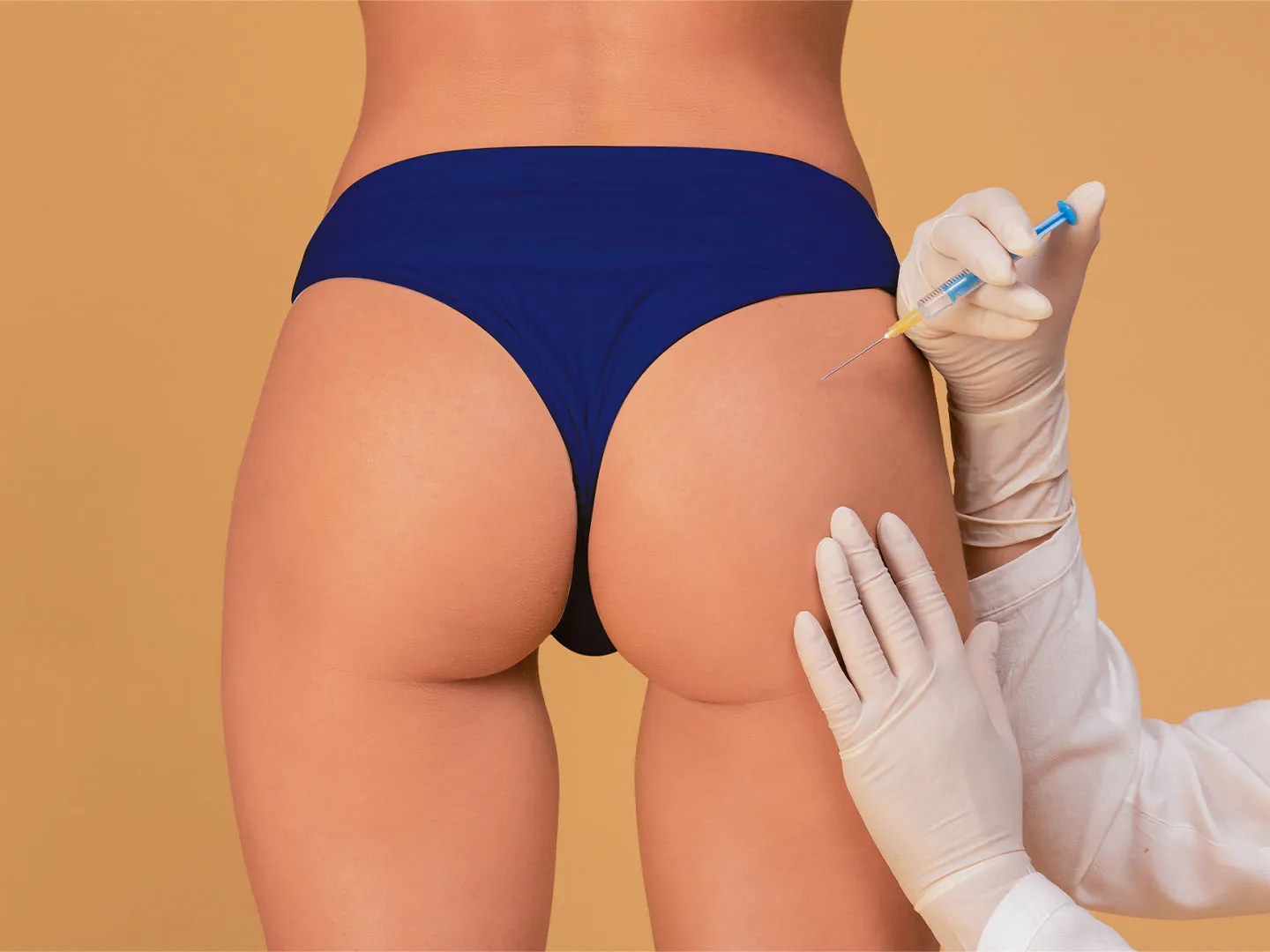
Buttock fillers are often promoted as a minimally invasive way to improve volume, projection, symmetry, or the appearance of hip dips without traditional surgery. However, an important question must come before discussing results: Are buttock fillers safe?
The evidence-based answer is that buttock filler treatment is not risk-free. Safety depends on the injected material, treatment volume, product authenticity, injection depth, gluteal anatomy, sterile technique, patient health, and the qualifications of the medical professional performing the procedure.
Regulatory status also matters. In the United States, the Food and Drug Administration does not approve dermal fillers for increasing buttock size or for large-scale body contouring. The FDA also warns that injectable silicone is not approved for aesthetic body enhancement and may cause permanent injury, embolism, infection, disfigurement, stroke, or death. plains how buttock fillers work, their potential side effects, serious complications, recovery expectations, warning signs, candidate considerations, and the questions patients and professional buyers should ask before proceeding.
What Are Buttock Fillers and How Do They Work?
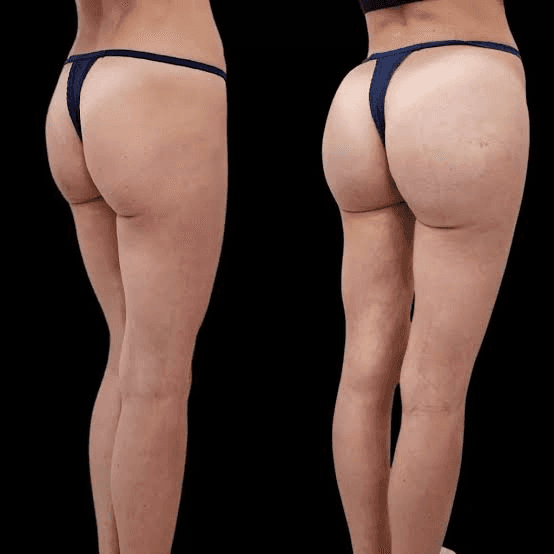
Buttock fillers are injectable substances used to add volume or alter contours in the gluteal region. Depending on the treatment plan, injections may be intended to improve hip dips, correct asymmetry, create a rounder outline, or provide modest projection.
The expressions butt filler, buttock filler, injectable butt lift, non-surgical butt lift, and liquid BBL are sometimes used interchangeably in marketing. However, these terms do not necessarily describe the same material, injection method, volume, or regulatory status.
A patient should therefore ask for the exact name and composition of the injectable product rather than relying on a broad treatment label.
Common Filler Materials Discussed for Body Contouring
Several materials may be discussed in relation to injectable contouring:
Hyaluronic acid, or HA, is an absorbable gel material used in many temporary dermal fillers.
Poly-L-lactic acid, or PLLA, is a biodegradable synthetic material generally used to stimulate gradual collagen production.
Calcium hydroxylapatite, or CaHA, is a mineral-based material used in certain absorbable fillers.
Polymethylmethacrylate, or PMMA, is a non-absorbable material used in limited approved indications.
Injectable silicone and unknown biopolymers are sometimes offered illegally for body augmentation and carry particularly serious risks.
The FDA recognizes HA, CaHA, and PLLA among the materials found in temporary dermal fillers. However, approval of a material for a specific facial or hand indication does not automatically mean it is approved or proven safe for buttock augmentation. In the United States, fillers are approved according to the individual product and anatomical treatment area. table Buttock Contouring Creates Volume
A volumizing filler occupies space within a selected tissue plane. The intended visual effect depends on several factors:
The rheological properties of the gel
The amount injected
Product distribution
Tissue thickness
Existing fat and muscle anatomy
The treatment area
Injection depth
Whether the goal is projection, smoothing, or asymmetry correction
The gluteal region contains skin, subcutaneous fat, fascia, muscle, blood vessels, nerves, and connective tissue. Because treatment outcomes and risks are closely related to where a product is placed, knowledge of gluteal anatomy is essential.
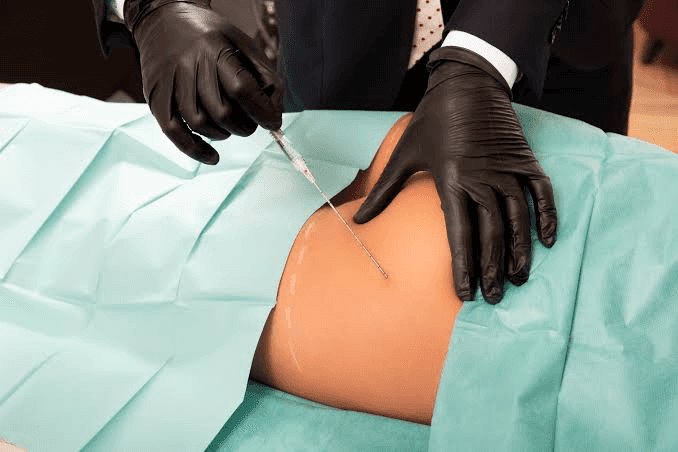
A needle or cannula is not automatically safe simply because it is described as minimally invasive. The injector must understand the intended tissue plane, recognize abnormal symptoms, maintain sterility, and have a complication-management protocol.
“Liquid BBL” Is Not One Standardized Procedure
The phrase liquid BBL may sound like a clearly defined medical technique, but it can refer to very different procedures. One provider may use an absorbable HA product, another may use a collagen-stimulating injectable, and an unsafe operator may inject silicone, hydrogel, oil, or another unidentified substance.
This makes the product identity one of the first safety questions to address.
A treatment should never be accepted based only on statements such as:
“It is a body filler.”
“It is completely natural.”
“It is permanent.”
“It is the same as a non-surgical BBL.”
“It has no side effects.”
“It can be injected at home.”
Patients should know the manufacturer, product name, composition, lot or batch number, expiration date, intended use, regulatory status, and instructions for use before an injection is performed.
Are Buttock Fillers Safe? Evidence and Regulatory Status
Are buttock fillers safe? They cannot be described as universally safe. Some small clinical studies of carefully selected patients and specific HA products have reported favorable results with few short-term complications. At the same time, broader medical reviews warn that serious and potentially fatal complications can occur.
The appropriate conclusion is not that every butt filler treatment is dangerous or that every product is safe. Instead, safety must be evaluated according to the specific product, injection technique, treatment volume, patient, provider, setting, and applicable regulations.
What Current Clinical Evidence Shows
A 2025 prospective study followed 30 healthy women treated with up to 60 mL of a cross-linked HA filler for gluteal augmentation. The investigators reported no serious adverse events, infrequent minor complications, subcutaneous placement on ultrasound, and no observed migration, fibrosis, or nodularity during the study period. However, the study was small, open-label, and supported by the company that supplied the product, which limits how widely its findings can be generalized.
Why Regulatory Approval Matters
In the United States, FDA-approved dermal filler indications primarily involve specific areas of the face and hands. The agency recommends against using dermal fillers or other injectable fillers to increase buttock size and states that such body-contouring uses are not approved.
Before treatment or commercial distribution, relevant parties should verify:
Whether the product is legally registered in the target country
Whether buttock injection is an approved indication
Whether the proposed use is off-label
Whether the injector is legally qualified
Whether the facility is authorized to perform the procedure
Whether adverse-event reporting and emergency referral systems are available
Off-label use does not automatically mean improper medical practice, but it does mean the specific use may not have undergone the same regulatory review as an approved indication. Patients must be clearly informed of that distinction.
Why Large-Volume Injections Require Additional Caution
Gluteal contouring may involve more material than many facial filler procedures. This matters because injection volume, product distribution, tissue pressure, contamination exposure, and the consequences of incorrect placement may all change as treatment scale increases.
It would therefore be inappropriate to assume that safety data from a small facial injection can automatically be applied to a high-volume body-contouring treatment.
The FDA specifically warns that injectable fillers used for large-scale body contouring can cause long-term pain, infection, permanent scarring, disfigurement, and death. This is one reason product approval, anatomical training, dose planning, sterile handling, and emergency preparedness must be evaluated together. r Risks, Side Effects, and Complications
Butt filler side effects can be divided into three broad categories:
Common injection-site reactions
Delayed or persistent complications
Urgent or potentially life-threatening events
Patients should not assume that every symptom is normal swelling. They should receive written instructions explaining what to expect and when to seek medical help.
Common and Usually Temporary Reactions
Temporary reactions may develop shortly after a filler injection. These can include:
Swelling
Bruising
Redness
Tenderness
Soreness or pain
Itching
Temporary firmness
Mild asymmetry caused by swelling
For FDA-approved filler uses | Possible presentation | Recommended response |
|---|---|---|
Mild swelling | Fullness, tightness, or puffiness near injection sites | Follow provider instructions and monitor |
Bruising | Purple, blue, or yellow skin discoloration | Monitor unless extensive or worsening |
Tenderness | Mild discomfort when moving or touching the area | Avoid unapproved pressure or massage |
Infection | Increasing redness, warmth, pain, fever, or drainage | Contact a medical professional promptly |
Nodule or granuloma | Persistent lump, firmness, or inflammatory mass | Obtain clinical assessment |
Filler migration | Change in contour or material away from the intended area | Arrange professional evaluation |
Vascular compromise | Unusual severe pain, blanching, mottled skin, or color change | Seek urgent medical treatment |
Embolic event | Breathing difficulty, chest pain, confusion, or collapse | Seek emergency care immediately |
The table is a general educational guide. Symptoms may overlap, and remote descriptions cannot confirm whether a complication is present.
Delayed Nodules, Inflammation, Infection, and Migration
Some filler complications do not appear immediately. Inflammatory reactions, nodules, granulomas, infection, product migration, or persistent swelling may develop weeks, months, or even years after treatment.
The FDA lists raised bumps, granulomas, infection, open or draining wounds, allergic reactions, migration, permanent hard nodules, and tissue necrosis among reported filler risks. It also notes that some delayed inflammation can occur following illness, infection, vaccination, or dental procedures. lump is not automatically an infection. It could represent product accumulation, fibrosis, an inflammatory nodule, granuloma formation, migration, or another tissue response. Correct management depends on the injected material and diagnosis.
This is why patients should retain:
The product name
Manufacturer information
Treatment date
Lot or batch number
Injected volume
Injection areas
Provider details
Before-and-after photographs
Relevant medical records
Without knowing what was injected, management can become considerably more difficult.
Vascular Occlusion, Tissue Necrosis, and Embolism
One of the most serious filler complications is unintended entry into or interference with a blood vessel. Vascular compromise can reduce blood supply and cause ischemia, tissue injury, or necrosis.
FDA information for dermal fillers warns that accidental injection into a blood vessel can lead to tissue death, stroke, or vision abnormalities. Although many reported vascular complications involve facial injections, the general principle remains important: injectable material entering the vascular system can cause severe and permanent injury. licone presents a separate and particularly serious concern. Silicone can migrate from the injection area and may cause ongoing pain, infection, scarring, disfigurement, tissue death, embolism, stroke, and death. The FDA does not approve injectable silicone for aesthetic body contouring. ld seek urgent care for symptoms such as:
Sudden or rapidly worsening severe pain
White, gray, blue, purple, or mottled skin
Cold skin near the injection area
Rapidly expanding swelling
Shortness of breath
Chest pain
Confusion, dizziness, or fainting
Facial drooping or weakness
Difficulty speaking or walking
High fever with worsening redness
Pus, drainage, or an open wound
Emergency symptoms should not be managed through social media, online messaging, massage, or self-injection.
Butt Filler Recovery Time and Aftercare
There is no single recovery timeline that applies to every butt filler procedure. Recovery can vary according to the material, injected volume, number of entry points, anatomical area, technique, individual tissue response, and whether a complication develops.
Instructions for facial fillers should not automatically be copied and applied to large-volume gluteal injections.
What to Expect During Early Recovery
During the first 24 to 48 hours, a patient may experience localized swelling, tenderness, bruising, pressure, or temporary asymmetry. These symptoms should generally remain manageable rather than becoming progressively severe.
The treatment area should be monitored for changes in skin color, temperature, pain intensity, redness, or drainage.
From approximately days three to fourteen, ordinary injection-site reactions may gradually improve. Residual swelling or firmness may continue in some patients, but a worsening pattern requires medical assessment.
Over the following weeks, the area may continue to settle. Final evaluation should not be based solely on the appearance immediately after injection because swelling and tissue response can temporarily alter the result.
Butt Filler Aftercare Steps
Patients should follow the individualized instructions provided by the treating medical professional. A general aftercare sequence may include:
Obtain written instructions before leaving the clinic. Confirm who to contact during evenings, weekends, or emergencies.
Keep injection areas clean. Avoid applying unapproved products to puncture sites.
Monitor symptoms daily. Pay attention to pain, swelling, redness, warmth, skin color, fever, and drainage.
Avoid unapproved massage. Massage may be recommended for some treatments and inappropriate for others.
Limit pressure as instructed. Sitting and sleeping recommendations depend on the material and treatment area.
Delay strenuous exercise until cleared. Physical activity may increase pressure, friction, swelling, or bruising.
Avoid self-treatment. Do not inject enzymes, antibiotics, steroids, or other substances without medical supervision.
Attend scheduled follow-up appointments. Early clinical review may identify asymmetry, inflammation, infection, or product-placement concerns.
Retain product documentation. Keep a copy or photograph of the box, label, batch number, and treatment record.
Seek prompt care for abnormal symptoms. Do not wait for severe symptoms to resolve on their own.
Exact rules for sitting, exercising, bathing, sleeping position, and massage should come from the treating clinician because these recommendations vary by procedure.
Can Hyaluronic Acid Butt Filler Be Dissolved?
Hyaluronic acid fillers may sometimes be reduced or dissolved using hyaluronidase, an enzyme that breaks down HA. This characteristic is often described as an advantage of HA fillers, but it should not be treated as a guaranteed or simple emergency solution.
The amount of enzyme, timing, location, product characteristics, and type of complication can affect the outcome. Hyaluronidase also does not reverse silicone, PMMA, many biopolymers, or every tissue injury caused by an injection.
Research on HA-related vascular complications indicates that early professional intervention with hyaluronidase may improve outcomes, particularly when skin blood supply is affected. However, treatment protocols vary and must be managed by appropriately trained clinicians.
Candidate selection is not simply a question of whether someone wants more volume. A proper consultation should assess medical history, anatomy, expectations, previous procedures, skin condition, medications, and the ability to access follow-up care.
Candidate Evaluation Factors
A medical professional may consider:
The patient’s general health
Treatment goals
Existing gluteal anatomy
Skin and soft-tissue quality
Degree of volume requested
Previous filler, fat-transfer, or implant procedures
History of scarring
Allergies
Bleeding risk
Current medication use
Infection or inflammation
Ability to follow aftercare instructions
Expectations about durability and symmetry
A suitable candidate should understand that injectable contouring may produce a more modest result than surgery and that repeat treatment may be needed with absorbable materials.
Who Should Avoid or Postpone Treatment?
Treatment may need to be delayed or avoided when a person has an active skin infection, inflammatory condition, uncontrolled illness, significant bleeding disorder, severe allergy history, or another contraindication identified during medical evaluation.
The FDA advises patients to tell their providers about active rashes, cysts, hives, infection, bleeding disorders, severe allergies, previous anaphylaxis, and allergies to relevant filler ingredients or lidocaine. It also states that filler safety is not established during pregnancy or breastfeeding for FDA-reviewed products. ution is needed when a patient has previously received an unknown butt injection. New filler should not simply be placed over an unidentified material.
Ultrasound or other imaging may be considered by clinicians when previous product location, tissue condition, nodules, migration, or complications are unclear.
How to Choose a Qualified Provider
A safe provider-selection checklist should include:
A valid medical license appropriate to the jurisdiction
Specific training in injectable procedures
Detailed knowledge of gluteal anatomy
Experience with the proposed product
A sterile clinical environment
Transparent discussion of approved and off-label use
Access to the original sealed product packaging
A written informed-consent process
An emergency complication protocol
Appropriate follow-up care
Professional liability coverage where applicable
A clear referral pathway to a hospital or specialist
The FDA recommends using a licensed healthcare provider trained in filler injections. It also advises consumers not to self-inject, not to buy fillers online for personal use, and to discuss the specific product labeling and injection site with their provider.
Before a product is injected, the packaging should be inspected for authenticity and integrity. Professional users and distributors should review the applicable instructions for use, storage conditions, expiration date, sterility information, lot number, manufacturer details, and market-specific registration status.
Common butt filler mistakes include:
Selecting a procedure based only on price
Accepting an unidentified substance
Choosing an unlicensed injector
Receiving treatment in a hotel, home, salon, or non-medical setting
Buying filler directly online for self-injection
Believing a needle-free device eliminates injection risks
Assuming “permanent” means better
Failing to disclose previous injections
Ignoring fever, severe pain, or skin-color changes
Choosing an unrealistically large volume in one session
Assuming facial filler approval covers gluteal use
Leaving the clinic without emergency contact details
Needle-free filler devices are not FDA approved. The agency warns that high-pressure devices do not provide adequate control over product placement and have been associated with serious injuries. rs vs BBL, Fat Transfer, and Butt Implants
Patients comparing buttock enhancement options should evaluate more than whether a procedure is described as surgical or non-surgical.
Each option has a different mechanism, result profile, recovery process, and set of risks.
Option | Basic mechanism | Potential advantages | Important limitations |
|---|---|---|---|
HA butt filler | Injectable gel adds temporary volume | No fat harvesting; potentially adjustable; HA may sometimes be dissolved | May require large volumes; temporary; regulatory limitations; injection complications |
PLLA-based treatment | Injectable material stimulates collagen response | Gradual contour change; may suit modest correction goals | Results develop gradually; may require multiple sessions; nodules or inflammation are possible |
Fat-transfer BBL | Fat is removed by liposuction and transferred to the buttocks | Uses the patient’s own fat; can change donor and recipient areas | Surgery, anesthesia, recovery, fat survival variability, and serious procedural risks |
Butt implants | Solid implants are surgically placed | More defined volume for selected patients | Surgical recovery, infection, displacement, wound, and implant-related risks |
Exercise and body composition | Muscle development and fat reduction alter shape | Non-invasive; improves strength and function | Cannot replicate all volume changes; results require time and consistency |
This table does not identify a universally safest or best option. The correct choice depends on anatomy, goals, health, risk tolerance, available tissue, desired volume, recovery capacity, and access to qualified medical care.
Are Butt Fillers Safer Than a Surgical BBL?
It is not scientifically responsible to answer this question with a simple yes or no.
Butt fillers avoid some elements of surgery, such as liposuction incisions and fat harvesting. However, they introduce other concerns, including product-related reactions, high injection volumes, infection, nodules, migration, vascular injury, unknown long-term behavior, and regulatory uncertainty.
A surgical fat-transfer BBL has a different and well-recognized risk profile. Its safety depends heavily on surgical technique, fat-placement plane, anesthesia, patient selection, postoperative care, and surgeon qualifications.
A meaningful comparison must evaluate a specific filler treatment against a specific surgical plan—not “all fillers” against “all BBL procedures.”
When Might a Non-Surgical Option Be Considered?
A properly evaluated patient might discuss a non-surgical option when the goal is:
Modest correction of hip dips
Limited contour refinement
Improvement of minor asymmetry
A temporary or gradual result
Avoidance of fat harvesting
A treatment plan that does not require major volume
Injectable treatment may be unsuitable when the patient expects a dramatic increase in projection, wants a guaranteed permanent result, cannot attend follow-up appointments, or is unwilling to accept the possibility of complications and repeat treatment.
Buying and Professional Supply Considerations
Clinics, medical distributors, and professional buyers should evaluate more than product price or syringe volume.
A responsible purchasing assessment may include:
Product composition
Intended anatomical indication
Regulatory registration
Manufacturer identity
Sterility assurance
Packaging integrity
Lot traceability
Storage requirements
Shelf life
Instructions for use
Contraindications
Adverse-event reporting
Professional training requirements
Import and distribution rules
Post-market support
A low acquisition price does not compensate for uncertain ingredients, missing documentation, poor traceability, or an unauthorized indication.
For more general information about filler types, expected duration, costs, and treatment comparisons, readers can visit AOWITA’s complete butt filler guide. This creates a natural internal link between a broad topic page and this safety-focused content cluster.
Medical disclaimer: This article is provided for general educational and professional information only. It does not replace medical advice, diagnosis, emergency care, or an individual consultation. Product approval and permitted indications vary by country. Injectable procedures should only be performed by appropriately qualified healthcare professionals in accordance with applicable regulations.
Conclusion
So, are buttock fillers safe? The most accurate answer is that they may produce acceptable outcomes in carefully selected patients under controlled conditions, but they cannot be considered universally safe.
Small studies of specific HA fillers have reported favorable short-term safety and patient satisfaction. However, the available evidence remains limited, and serious complications have been documented across injectable body-contouring practices. Product identity, treatment volume, anatomical placement, sterile technique, provider qualifications, regulatory status, and emergency readiness all influence risk.
Professional clinics and distributors can contact AOWITA to request available product information, packaging details, technical documentation, OEM/ODM consultation, and market-specific supply discussions before making a purchasing decision.
Frequently Asked Questions
1. Are buttock fillers safe?
Buttock fillers are not completely risk-free. Their safety depends on the product used, injection volume, placement depth, sterile technique, patient health, provider qualifications, and local regulations. In the United States, the FDA has not approved injectable fillers for increasing buttock size.
2. What are the most common side effects of butt fillers?
Common side effects may include swelling, bruising, redness, tenderness, soreness, itching, and temporary firmness around the injection area. These reactions are often mild, but symptoms that worsen instead of improving should be assessed by a qualified medical professional.
3. What are the most serious risks of butt fillers?
Serious complications may include infection, abscesses, persistent nodules, granulomas, filler migration, allergic reactions, vascular injury, tissue necrosis, embolism, permanent scarring, disfigurement, stroke, and, in rare cases, death. The level of risk depends heavily on the injected substance and how the procedure is performed.
4. How long does butt filler recovery take?
There is no universal recovery period for butt fillers. Mild swelling, bruising, or tenderness may improve within several days or weeks. Recovery time varies according to the product, injection volume, treatment technique, treated area, and individual healing response.
5. How long does swelling last after butt filler treatment?
Mild swelling may appear shortly after treatment and gradually decrease over time. Rapidly worsening swelling, severe pain, fever, skin discoloration, breathing difficulties, or drainage from the injection site requires prompt medical attention.
6. Can butt fillers migrate?
Yes. Filler migration can occur when the product moves away from the intended treatment area. The risk may be affected by the material, injection volume, placement, tissue movement, injection technique, and individual response. Persistent changes in shape or contour should be evaluated by a qualified clinician.
7. Can hyaluronic acid butt filler be dissolved?
Hyaluronic acid filler may sometimes be reduced or dissolved with hyaluronidase. However, this treatment must be performed by a qualified medical professional. The outcome depends on the product, injection location, timing, type of complication, and treatment protocol. Hyaluronidase cannot dissolve silicone, PMMA, or many other filler materials.
8. Is injectable silicone safe for buttock enhancement?
Injectable silicone is not approved by the FDA for aesthetic body contouring. Silicone injections can cause chronic pain, infection, tissue damage, migration, scarring, embolism, permanent disfigurement, stroke, and death. Patients should avoid silicone or any unidentified injectable substance offered for buttock enhancement.
9. What are the signs of a butt filler infection?
Possible signs of infection include worsening pain, increasing warmth, spreading redness, fever, pus, unusual drainage, an open wound, or progressively increasing swelling. These symptoms require prompt medical evaluation.
10. When can I sit or exercise after butt fillers?
There is no single sitting or exercise guideline that applies to every butt filler procedure. Recommendations depend on the material, injection area, treatment volume, and technique. Patients should follow their provider’s specific aftercare instructions and avoid strenuous exercise until medically cleared.
11. Are permanent butt fillers safer because they last longer?
No. A longer-lasting result does not mean the product is safer. Permanent fillers and unidentified substances may be especially difficult or impossible to remove if complications occur. They may also cause delayed inflammation, migration, infection, scarring, or tissue damage.
12. How can I verify that a butt filler product is authentic?
Ask to see the unopened original packaging before treatment. Check the manufacturer’s name, product name, lot or batch number, expiration date, security seal, storage requirements, instructions for use, and applicable registration information. Never accept filler supplied in an unlabeled syringe or transferred into an unidentified container.
Other Blogs