Blog
15 Most Common Questions About Facial Fillers
Author
Ray
Published
Category
Facial Fillers
Facial fillers are one of the most researched non-surgical cosmetic treatments because they promise a lot in a short visit: more volume, softer lines, improved contour, and a fresher look.


Author
Ray
An esteemed medical aesthetics expert with 40 years of profound experience in the field. With decades of expertise in non-invasive procedures, anti-aging science, and advanced dermatological solutions, the author is dedicated to sharing insights that connect clinical innovation with real-world patient results. Passionate about advancing safe, effective, and high-impact aesthetic treatments for a global clientele.
What’s better than insider perks, pro tips, and surprises?
Sign up to get the most recent blog articles in your email every week.
Join now.
Our company’s main product lines include HA (Hyaluronic Acid) fillers, CaHA (Calcium Hydroxylapatite) fillers, PLLA (Poly-L-Lactic Acid) biostimulators, and other advanced aesthetic solutions, all developed and manufactured by trusted partner facilities with whom we have maintained long-term, stable collaborations.
I help them with sales and export operations, while our company also provides sourcing and procurement services in China to help international clients solve supply-related challenges. If you need assistance with procurement, please feel free to contact us.
Facial fillers are one of the most researched non-surgical cosmetic treatments because they promise a lot in a short visit: more volume, softer lines, improved contour, and a fresher look. But the most useful question is not whether fillers are “good” or “bad.” It is whether they are appropriate for your goals, anatomy, and risk tolerance. In simple terms, facial fillers are injectable medical devices used to create a smoother or fuller appearance in areas such as the cheeks, lips, chin, and facial folds. They can be effective, but they are not casual beauty products. They are medical procedures, and they deserve to be treated that way.
Key Takeaways
Facial fillers are injectable treatments used to restore volume, enhance contour, and soften certain lines in the face.
Cheek fillers are one category within facial fillers and are mainly used to restore midface volume and support.
Results can appear right away, but swelling and bruising may temporarily affect how the treatment looks at first.
Longevity varies by filler type, treatment area, and the individual; some fillers last months, while some may last longer.
Common side effects include swelling, bruising, redness, tenderness, and itching, while rare but serious complications can include vascular blockage and vision problems.
The safest path is treatment by an appropriately trained medical professional who offers consultation, informed consent, and a plan for managing complications.
What facial fillers are and why people get them
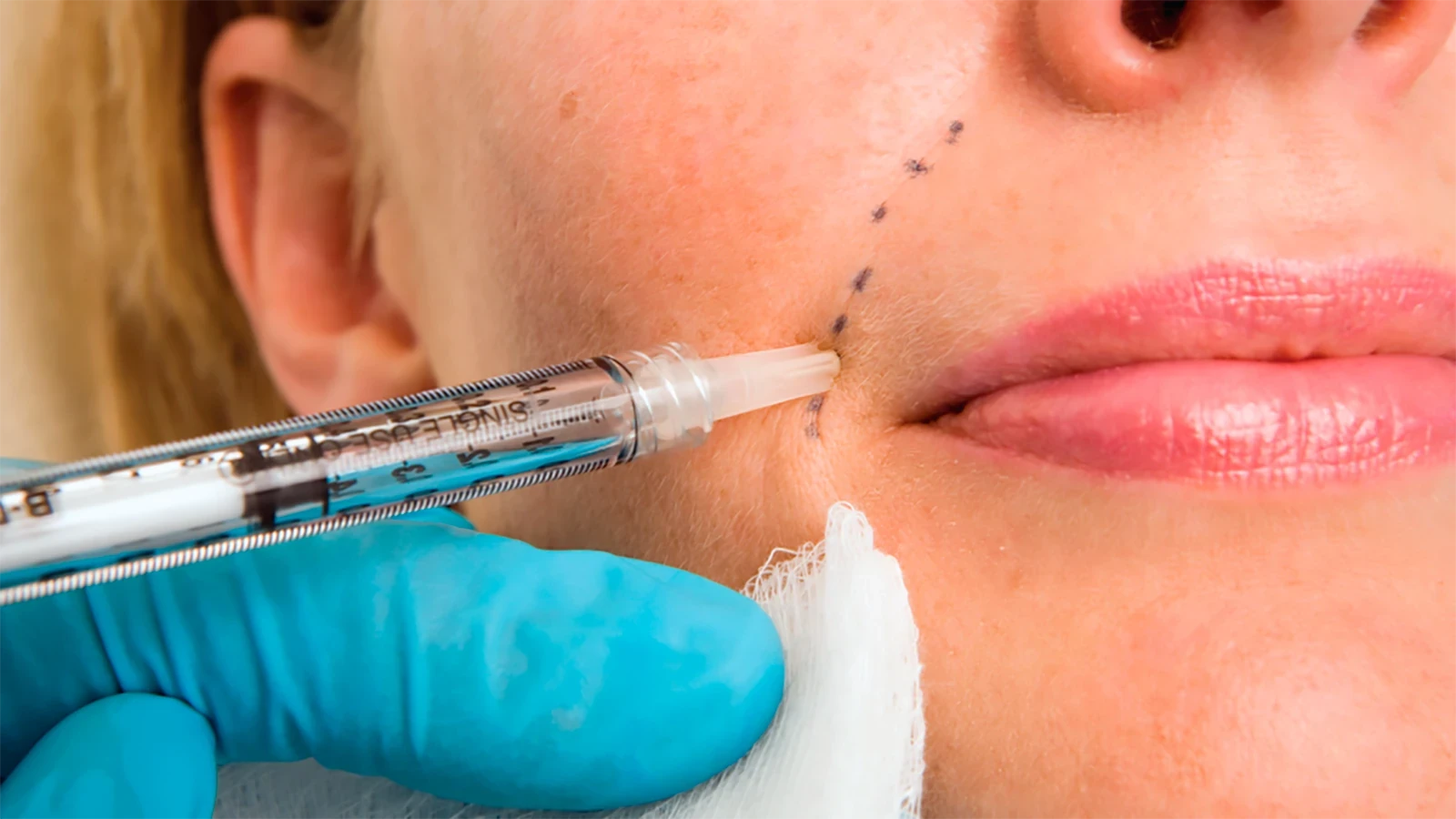
Dermal fillers, also called facial fillers or soft tissue fillers, are approved for helping create a smoother or fuller appearance in specific facial areas. People use them for different reasons: to restore age-related volume loss, improve facial balance, soften deeper folds, or enhance features such as the cheeks or lips. The appeal is understandable. Fillers are non-surgical, can produce immediate visible change, and often involve relatively little downtime compared with surgery.
For many readers, cheek fillers are one of the most relevant categories because the midface plays a major role in how youthful or tired the face appears. When cheek support diminishes, the whole face can look flatter or less lifted. That is why cheek filler questions often overlap with broader facial filler questions.
Featured snippet: quick answers about facial fillers
What are the most important things to know about facial fillers?
Facial fillers are injectable medical devices used to restore volume and improve contour in areas such as the cheeks, lips, chin, and facial folds. Results can be visible quickly, but side effects like swelling and bruising are common. Results are temporary, safety depends heavily on injector skill and product choice, and rare serious complications can occur.
15 most common questions about facial fillers
1. What are facial fillers?
Facial fillers are injectable soft tissue fillers used to create a smoother and/or fuller appearance in the face. The FDA lists areas such as the cheeks, chin, lips, nasolabial folds, and back of the hands among the approved uses for various fillers. Different products use different materials, and not every filler is meant for every area.
2. What areas can fillers treat?
Common treatment areas include the cheeks, lips, chin, jawline, nasolabial folds, marionette lines, under-eye area in selected cases, and sometimes the hands. Exact approved uses depend on the specific product. That product-by-product distinction matters because a filler that is appropriate for the cheeks may not be the right choice for another part of the face.
3. Are cheek fillers the same as all facial fillers?
No. Cheek fillers are a subtype of facial filler treatment. The cheeks usually require products and techniques aimed at restoring structure and volume in the midface, not just smoothing a superficial line. That is why treatment planning for the cheeks tends to focus on support, projection, and facial balance.
4. How long do fillers last?
There is no one answer. Mayo Clinic notes that hyaluronic acid fillers typically last about 6 to 12 months, while calcium hydroxylapatite used for contouring can last up to about a year. ASPS also notes that results vary by filler used and the patient treated, ranging from several months to several years in some cases. Longevity depends on the material, treatment area, metabolism, and injection plan.
5. Are facial fillers safe?
They can be safe when used appropriately by a qualified medical professional, but they are not risk-free. The AAD describes fillers as one of the safest cosmetic treatments available when performed properly, while the FDA emphasizes that fillers are medical devices and can cause both common side effects and rare serious complications. Those two ideas are compatible: fillers can be widely used and effective, but they still require medical judgment and proper technique.
6. What are the most common side effects?
Common side effects include swelling, bruising, redness, pain, tenderness, itching, and rash. These effects are usually temporary, but patients should be told what is expected and what is not. A good consultation should clearly separate normal short-term reactions from warning signs that need urgent review.
7. Is there downtime after fillers?
Many people return to daily activities quickly, but that does not mean there is zero recovery. ASPS notes that swelling, bruising, numbness, redness, or tenderness are common parts of recovery. Some people look socially presentable quickly; others need more time for swelling or bruising to settle.
8. When will I see results?
Results are often visible immediately, although the early appearance may be influenced by swelling or temporary unevenness. ASPS notes that results are apparent right away, but final judgment should wait until the initial post-treatment period settles. This is especially important for readers who are prone to panic if something looks “too full” in the first day or two.
9. Do fillers look natural?
They can. Natural-looking filler usually comes from appropriate product choice, conservative dosing, and treatment that respects the person’s facial proportions. A “natural result” is not a property of filler alone; it is the outcome of planning and injection skill. That is an editorial conclusion, but it is strongly consistent with how major medical sources frame filler treatment and consultation.
10. Do fillers hurt?
Most people describe filler treatment as tolerable rather than pleasant. The exact experience varies by area treated, product used, technique, and individual pain sensitivity. Some fillers contain lidocaine, and many clinicians use comfort measures such as ice or topical numbing when appropriate. Specific pain levels are subjective, so any precise promise would need a source. [source needed]
11. Who is a good candidate for fillers?
A good candidate is generally someone in appropriate medical condition who wants to restore volume, soften lines, or improve facial contour without surgery and who understands that results are temporary. The AAD advises patients to share allergies, bleeding disorders, prior cosmetic treatments, and all medications or supplements before treatment. Good candidacy also depends on having realistic goals.
12. Who should be cautious or avoid treatment?
People should be cautious if they have significant allergies, bleeding issues, active skin infection near the injection site, or other medical factors that make treatment riskier. Mayo Clinic notes that not everyone is a candidate and that the pros and cons should be discussed with a healthcare professional. Exact exclusions vary by product and person, so this is where individualized medical advice matters.
13. What is the difference between fillers and Botox?
Fillers and botulinum toxin products are not interchangeable. Fillers add or restore volume and can improve contour, while botulinum toxin is generally used to reduce certain dynamic wrinkles caused by muscle movement. Readers often lump them together, but they solve different problems. This distinction is standard clinical framing and aligns with FDA and specialty-society treatment descriptions.
14. How do I choose a qualified injector?
Look for an appropriately trained medical professional working in a proper clinical setting who offers a consultation, discusses risks, and uses FDA-approved products for indicated areas. The AAD emphasizes consultation and preparation, and ASPS emphasizes surgeon qualification and patient safety. This is one of the most important questions in the entire decision process because provider skill affects both results and safety.
15. What should I ask before treatment?
Ask what product is being recommended, why it fits your treatment area, how long it may last, what common side effects to expect, what serious risks you should understand, and what the plan is if something goes wrong. Also ask about the injector’s training and experience with the area you want treated. Good filler decisions begin with good questions.
Final thoughts
The most common questions about facial fillers are not superficial. They are the right questions: what fillers do, how long they last, how recovery works, what can go wrong, and how to choose the right provider. That is exactly how readers should approach this category. Facial fillers, including cheek fillers, can be effective tools for volume restoration and contour improvement, but they should be approached as medical procedures with meaningful decisions attached.
The best next step is not chasing a trend or a brand name in isolation. It is finding a qualified medical professional who can assess your anatomy, explain your options clearly, and recommend a plan that matches your goals without overselling what fillers can do. That is where good outcomes usually begin.

FAQ
1. What are facial fillers most commonly used for?
They are commonly used to restore lost volume, soften certain facial folds, enhance contour, and improve fullness in areas such as the cheeks, lips, and chin.
2. How long do cheek fillers usually last?
It depends on the product and patient, but hyaluronic acid fillers often last about 6 to 12 months, while some contouring fillers may last longer.
3. Is there downtime after facial fillers?
There is usually limited downtime, but temporary swelling, bruising, redness, and tenderness are common.
4. Are facial fillers safer than surgery?
They are less invasive than surgery, but that does not make them trivial. Fillers still carry risks, including rare serious complications, and should be treated as medical procedures.
5. How do I know if a filler provider is qualified?
Look for an appropriately trained medical professional who offers consultation, discusses product choice and risks clearly, and treats fillers as a medical procedure rather than a casual beauty service.
6. What is the biggest mistake people make before fillers?
A common mistake is focusing only on the product or price instead of provider qualification, treatment planning, and safety. This is an editorial conclusion drawn from the emphasis official sources place on consultation, preparation, and qualified care.
Other Blogs