Blog
Are Skin Boosters Safe and Effective? Comparing Types for Different Skin Concerns
Author
Ray
Published
Category
Facial Fillers
Compare skin booster types (HA, PDRN, PN, peptides) for hydration, texture, and elasticity—plus safety considerations and what to expect.

Author
Ray
An esteemed medical aesthetics expert with 40 years of profound experience in the field. With decades of expertise in non-invasive procedures, anti-aging science, and advanced dermatological solutions, the author is dedicated to sharing insights that connect clinical innovation with real-world patient results. Passionate about advancing safe, effective, and high-impact aesthetic treatments for a global clientele.
What’s better than insider perks, pro tips, and surprises?
Sign up to get the most recent blog articles in your email every week.
Join now.
Our company’s main product lines include HA (Hyaluronic Acid) fillers, CaHA (Calcium Hydroxylapatite) fillers, PLLA (Poly-L-Lactic Acid) biostimulators, and other advanced aesthetic solutions, all developed and manufactured by trusted partner facilities with whom we have maintained long-term, stable collaborations.
I help them with sales and export operations, while our company also provides sourcing and procurement services in China to help international clients solve supply-related challenges. If you need assistance with procurement, please feel free to contact us.
Skin boosters are generally considered safe when administered correctly by trained professionals using appropriately indicated products—but “safe” and “effective” depend on the right patient, the right formulation, the right injection technique, and realistic expectations.
In terms of results, different skin booster types tend to align with different goals:
Hyaluronic acid (HA) is commonly chosen for hydration and visible plumpness.
PDRN and polynucleotides (PN) are typically positioned for tissue repair/regeneration support, which may contribute to texture improvement and elasticity over time.
Peptide-based options are often used to support cell signaling related to collagen/elastin remodeling and barrier function.
Below is a practical, comparison-first guide to help you evaluate both safety and expected outcomes.
Key Takeaways
Skin boosters can be effective, but results vary by formulation and patient condition.
Safety hinges on execution: correct product selection, sterile technique, correct depth/plan, and appropriate screening.
HA is most straightforward for hydration and early visible smoothness.
PDRN/PN and peptides aim more toward dermal improvement over time, including texture and elasticity—though response differs person to person.
Ask providers what product they’re using and how it matches your specific skin concern.
What Are Skin Boosters (and How They Differ From Fillers)?
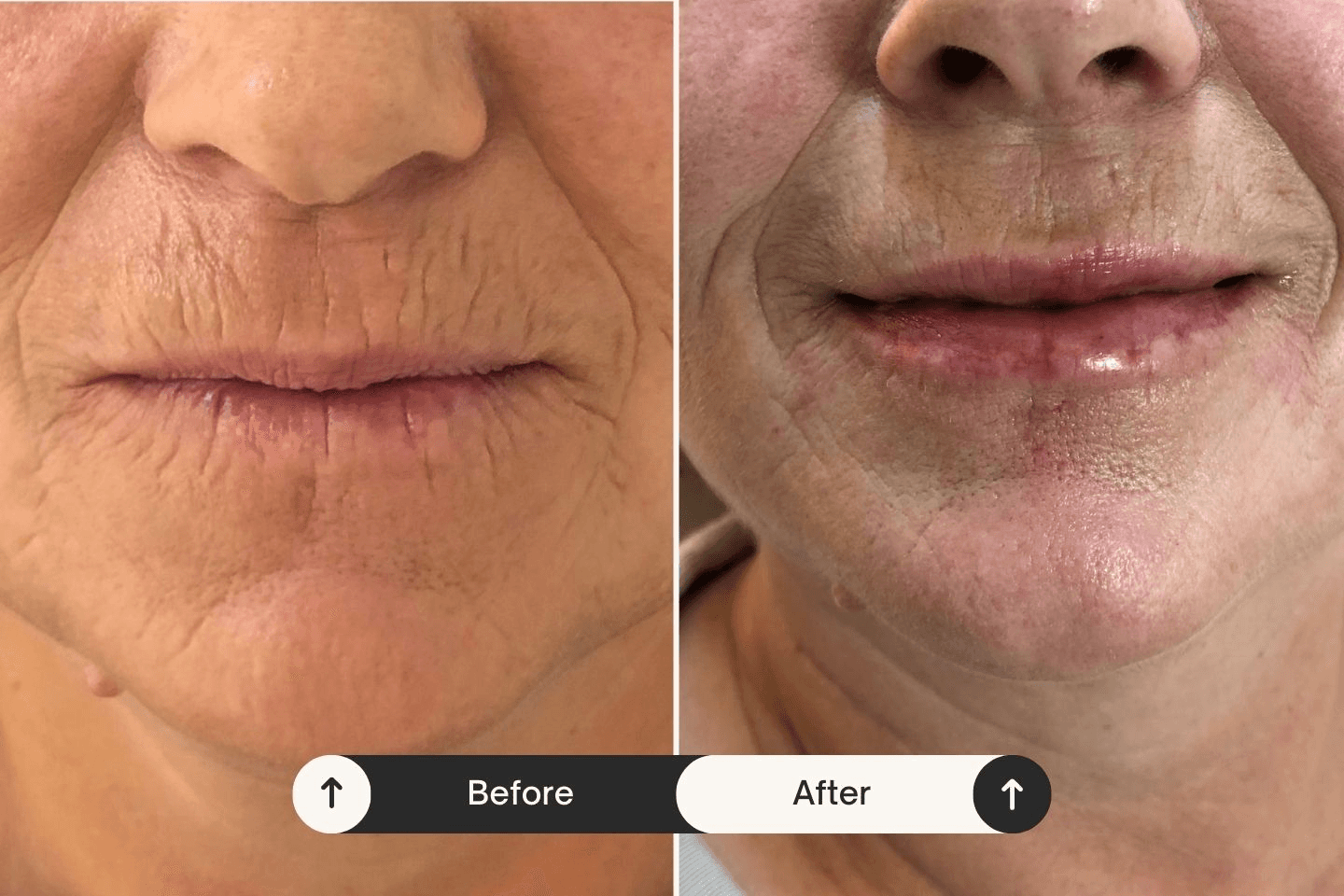
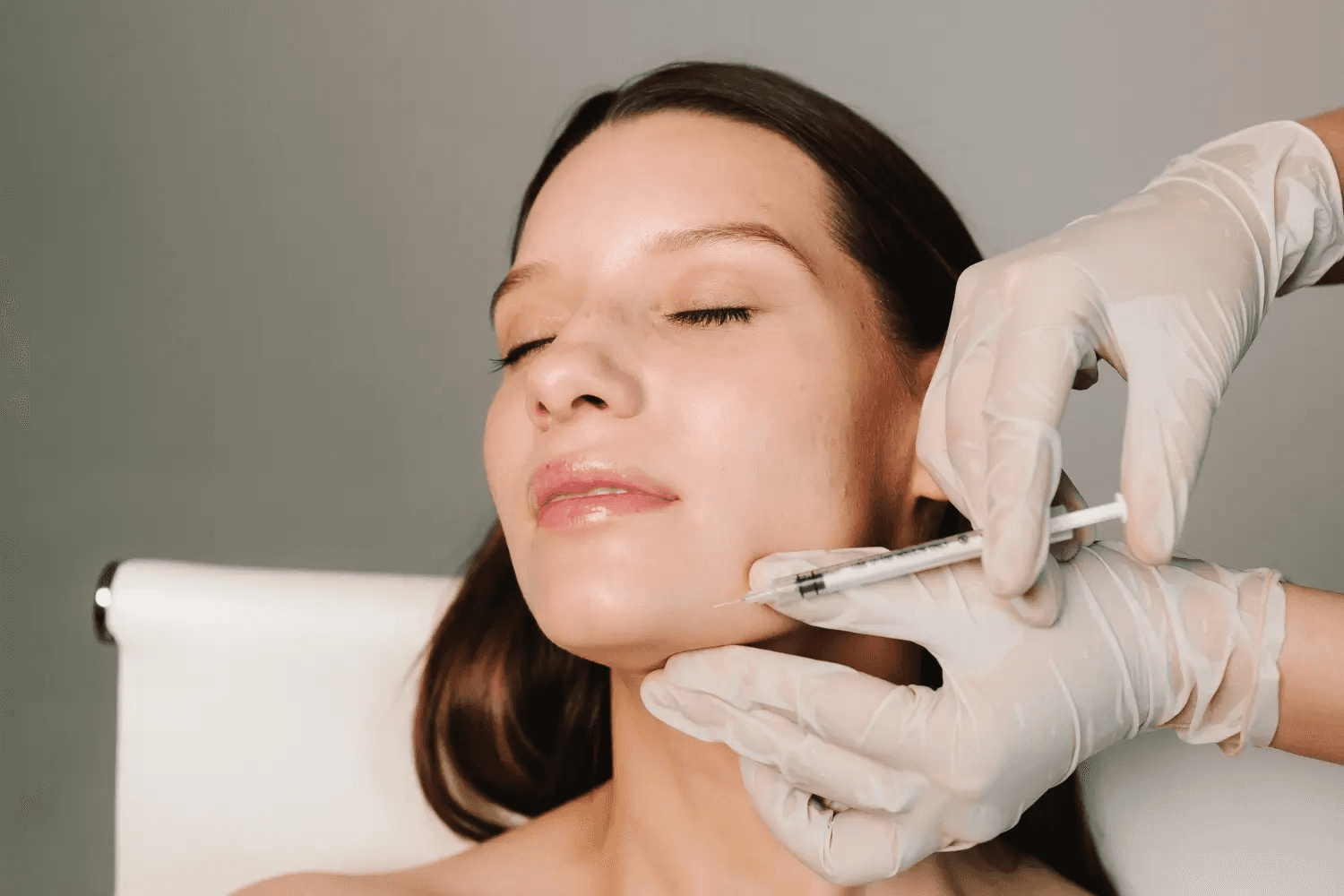
A skin booster is an injectable treatment intended to improve overall skin quality rather than add dramatic structural volume like classic dermal fillers.
While the exact phrasing and depth can vary by product and protocol, the general concept is that boosters are placed in the skin (commonly in the superficial dermis) to support:
hydration
texture smoothness
elasticity/firmness
dermal thickness or appearance
overall radiance
How they differ from fillers: fillers are typically designed to restore volume or reshape contours; boosters focus on skin environment support and gradual quality improvement.
Safety First: When Skin Boosters Are (and Aren’t) a Good Idea
Common risks and side effects
Even when used appropriately, injections can cause temporary effects such as:
redness, swelling, or tenderness
mild bruising
small bumps or tenderness along injection sites
itching or dryness temporarily during healing
Less common but more serious risks can include:
infection (rare with sterile technique)
vascular complications (rare, but a known risk with any injection procedure)
persistent swelling or unexpected inflammation
Important: the risk profile is strongly influenced by provider training, injection depth, injection pattern, and product handling. If a clinic minimizes this conversation, that’s a red flag.
Who should be extra cautious (contraindications & medical context)
Suitability depends on your medical situation and skin condition. Providers commonly take extra care if you have:
active skin infection/inflammation in the treatment area
a history of keloid/scarring tendencies (varies by protocol—your clinician should assess)
autoimmune conditions, immunosuppressive therapy, or other complex medical considerations
pregnancy/breastfeeding (policies vary; many clinics avoid elective injectables)
Effectiveness by Goal: Hydration, Texture, Elasticity
Hydration and glow
Hydration improvements are often the earliest “feel/see” category. Boosters can help the skin environment retain moisture and look more supple.
HA-based boosters are commonly used when the goal is straightforward: increase water-binding capacity and support the extracellular matrix environment.
(Hyaluronic acid’s water-binding role is well-established as a material property, though clinical outcomes depend on formulation and protocol.)
Texture smoothing and refinement
Texture usually improves when the dermal environment supports smoother turnover and/or matrix organization over time. Texture changes can include:
finer lines from dehydration appearing less pronounced
uneven surface texture looking more even
skin feeling smoother under touch
Elasticity, firmness, and “recovery” support
Elasticity-focused goals are often longer-term. Boosters positioned for “regeneration/repair” may contribute to:
dermal firmness changes
improved resilience after procedures
gradual improvements in how “bouncy” the skin feels (varies by person)
Some types (notably PDRN/PN) are often described using specific biological pathway language.
Comparing Skin Booster Types
Below is an evidence-aware comparison—written to help you ask better questions, not just choose by hype.
Hyaluronic Acid (HA) skin boosters
What they’re known for: hydration support, “plump” appearance, and often early visible improvement in smoothness.
Why HA can help: HA is a glycosaminoglycan that can bind water and help support the skin’s extracellular matrix environment—leading to improved moisture balance and visible radiance.
Common indications (goal-based):
dry or dull skin
early dehydration-related fine lines
roughness that improves with hydration support
What to realistically expect: faster notice of “hydration glow,” typically with results building and stabilizing over a series depending on protocol.
Polynucleotides (PN / polynucleotides) skin boosters
What they’re known for: gradual dermal remodeling support, often positioned for texture and firmness improvements.
Common indications (goal-based):
laxity and collagen loss concerns
texture that needs ongoing dermal support
patients looking for “skin quality upgrading” rather than immediate plumpness
What to realistically expect: changes that build over weeks/months, often with a maintenance plan.
PDRN (polydeoxyribonucleotide) skin boosters
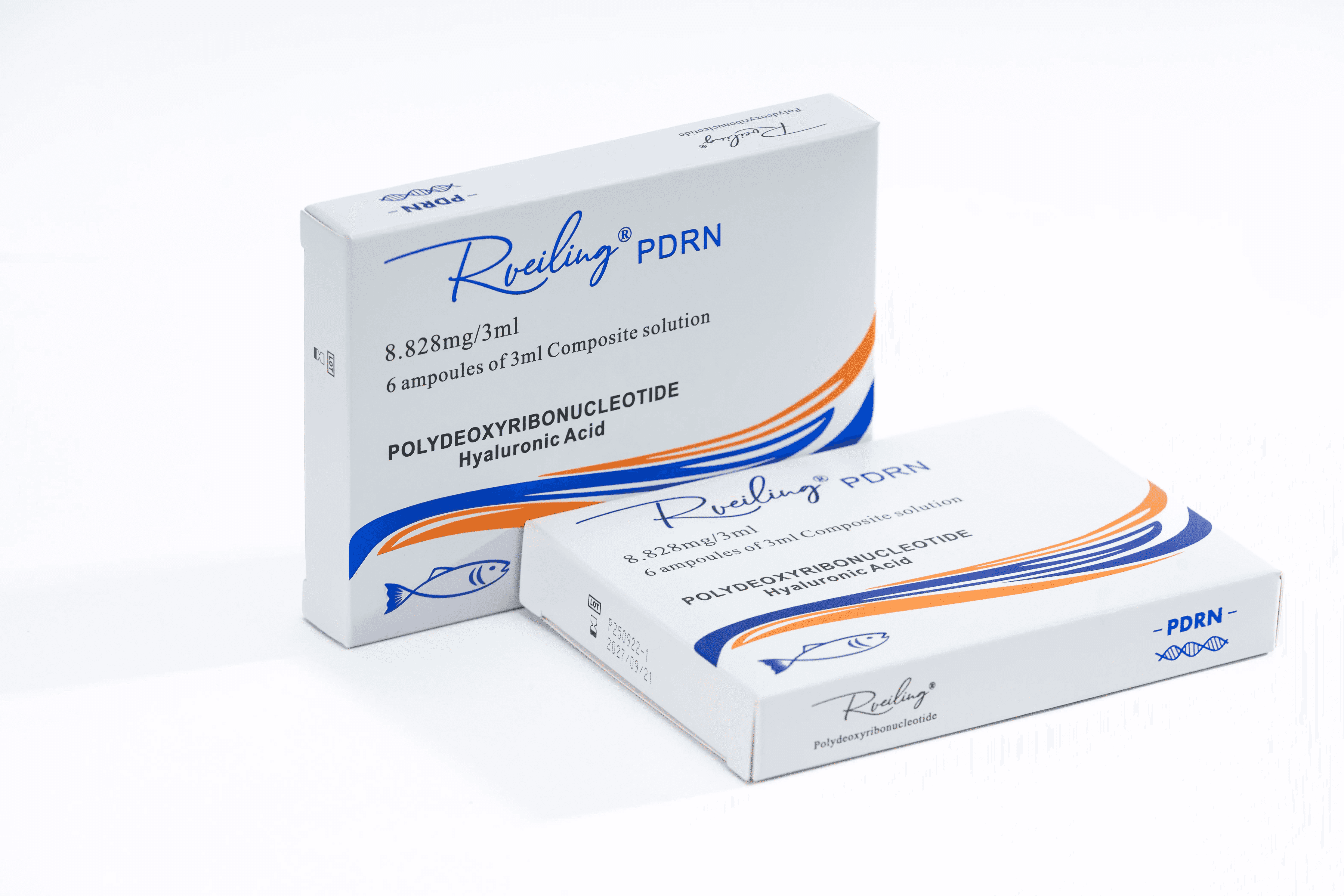
What they’re known for: regenerative/repair positioning, with an emphasis on improved resilience and gradual elasticity/quality improvements.
PDRN is frequently explained as DNA fragments used to support tissue repair and anti-inflammatory responses, including pathways involving adenosine receptors. However, because exact biological claims and clinical performance vary by product and protocol, treat such mechanism explanations as informed positioning, not guarantees.
Common indications (goal-based):
post-procedure recovery support (clinic-dependent)
dullness/rough texture with a regenerative approach
patients seeking elasticity and tissue resilience improvements over time
What to realistically expect: gradual improvement with a series approach for best results.
Peptide-based skin boosters
What they’re known for: signaling support for collagen/elastin-related processes and broader skin health goals.
Peptides can be used to influence biological signaling related to skin remodeling and barrier function. Many peptide formulations also include supportive ingredients like vitamins/amino acids/antioxidants—making them popular for “multi-benefit” skin plans.
Common indications (goal-based):
early to moderate aging concerns where gradual improvement is desired
patients who want a more comprehensive “skin quality” protocol
barrier-focused or antioxidant-oriented plans (depending on formulation)
What to realistically expect: steady, progressive improvement rather than instant “hydration only” changes.
Featured Snippet Block: Which Skin Booster Type Fits Your Concern?
Copy/paste friendly decision guide:
Choose a skin booster type based on your primary goal:
Hydration / immediate plumpness: HA (hyaluronic acid)
Texture refinement with longer-term remodeling focus: PN or PDRN
Elasticity / firmness support over time: PN or PDRN (often) and peptide-based options (depending on formulation)
Comprehensive skin quality support (signaling + barrier): peptides (if the product matches your ingredient strategy)
If you’re unsure: the safest path is a consult where the provider matches your skin condition to one primary goal and chooses a formulation accordingly.
What to Expect From a Treatment Plan (Realistic Outcomes)
Most skin booster experiences follow a pattern like this (protocols vary by clinic and product):
A series of treatments (often spaced over weeks) to build effect
Maintenance sessions to sustain results
Ongoing skin care that supports the injected goals (hydration, barrier health, sun protection)
Timeline expectations (general):
HA often shows earlier hydration-related changes.
PN/PDRN and peptide-focused plans often show more gradual changes as remodeling progresses.
Because exact durations and magnitudes depend on the product and protocol, avoid guarantees like “X days” or “X% improvement” unless the clinic provides product-specific evidence.
How to Choose a Provider and a Product the Right Way
To evaluate both safety and effectiveness, prioritize:
Correct product selection for your skin goal
Ask: “Which booster type are you recommending for hydration vs elasticity, and why?”Training and technique
Great injector technique is a major safety factor. Ask about their approach to depth, pattern, and how they manage adverse reactions.Product traceability and regulatory compliance
The clinic should be able to identify the exact formulation they’re injecting and provide product documentation aligned with your region.
[Source needed: your local regulatory framework]Realistic outcome discussion
The best clinics discuss expected results and variability—without overpromising.Aftercare plan
Your provider should give clear instructions on skincare, sun protection, and when to contact them.
Conclusion
So—are skin boosters safe and effective?
Yes, they can be both, but the best outcomes come from the intersection of appropriate indication, credible product choice, and skilled injection technique.
If you want hydration and early smoothness, HA-based boosters are often the most straightforward. If your priority is texture refinement and elasticity support over time, PN or PDRN (and sometimes peptide-based formulations) are commonly considered—typically as part of a series + maintenance plan.
If you’re shopping between types, use a goal-first approach: choose the booster that best matches your primary skin concern, then ask the provider to explain the plan, risks, and realistic timelines based on that specific product.
FAQ
1) Are skin boosters safe for most people?
They can be safe when properly indicated and administered by trained professionals with sterile technique. Your medical history and the specific product matter. If you have active skin issues or complex health conditions, you may need extra screening.
2) Which skin booster type is best for hydration?
HA-based skin boosters are usually the most direct option for hydration and visible “plump” appearance, especially for dehydration-related dullness.
3) Do PDRN or polynucleotides work better for texture and elasticity?
They’re often chosen for texture refinement and elasticity support over time, but “better” depends on your starting skin condition, the exact formulation, and the injection protocol.
4) Can peptides improve firmness and reduce fine lines?
Peptide-based boosters are commonly used to support skin remodeling and barrier health. Many patients see gradual improvements rather than immediate dramatic changes.
5) How long do skin booster results last?
Longevity varies by formulation and your maintenance plan. Many protocols involve a series followed by maintenance sessions. Your injector should outline a realistic plan for your goal and baseline skin health.
6) What side effects should I watch for after injections?
Common short-term effects include redness, swelling, and mild tenderness. Contact your provider promptly for anything unusual (significant worsening pain, signs of infection, or concerns about unexpected swelling).
Other Blogs