
Blog
The Ultimate Guide to Facial Fillers: Benefits, Types, and Results
Author
Ray
Published
Category
Guide
Confused by dermal fillers? We break down the difference between HA and biostimulators, safety protocols, and how to achieve natural results. Read the guide.


Author
Ray
An esteemed medical aesthetics expert with 40 years of profound experience in the field. With decades of expertise in non-invasive procedures, anti-aging science, and advanced dermatological solutions, the author is dedicated to sharing insights that connect clinical innovation with real-world patient results. Passionate about advancing safe, effective, and high-impact aesthetic treatments for a global clientele.
What’s better than insider perks, pro tips, and surprises?
Sign up to get the most recent blog articles in your email every week.
Join now.
Our company’s main product lines include HA (Hyaluronic Acid) fillers, CaHA (Calcium Hydroxylapatite) fillers, PLLA (Poly-L-Lactic Acid) biostimulators, and other advanced aesthetic solutions, all developed and manufactured by trusted partner facilities with whom we have maintained long-term, stable collaborations.
I help them with sales and export operations, while our company also provides sourcing and procurement services in China to help international clients solve supply-related challenges. If you need assistance with procurement, please feel free to contact us.
Facial fillers—commonly called dermal fillers—are injectable treatments designed to restore lost facial volume, smooth wrinkles, and enhance facial contours without surgery. They work by adding structure beneath the skin, helping areas like the cheeks, lips, and jawline appear fuller and more youthful.
In the United States, facial fillers have become one of the most widely requested cosmetic procedures because they offer noticeable results with minimal downtime. When performed by a qualified provider, fillers can subtly enhance natural features while maintaining facial balance.
This guide explains how facial fillers work, the different types available, and what patients should realistically expect from treatment.

Key Takeaways
Facial fillers are injectable treatments used to restore volume, smooth wrinkles, and enhance facial contours.
Most fillers are made with hyaluronic acid, a substance naturally found in the body.
Treatments typically take 15–45 minutes and require little downtime.
Results can last 6 months to over 2 years, depending on the type of filler used.
Safety and outcomes depend heavily on choosing a qualified medical aesthetics provider.
1.What Are Facial Fillers?
Facial fillers are gel-like substances injected beneath the skin to improve facial volume, soften lines, and refine facial shape.
They are commonly used for:
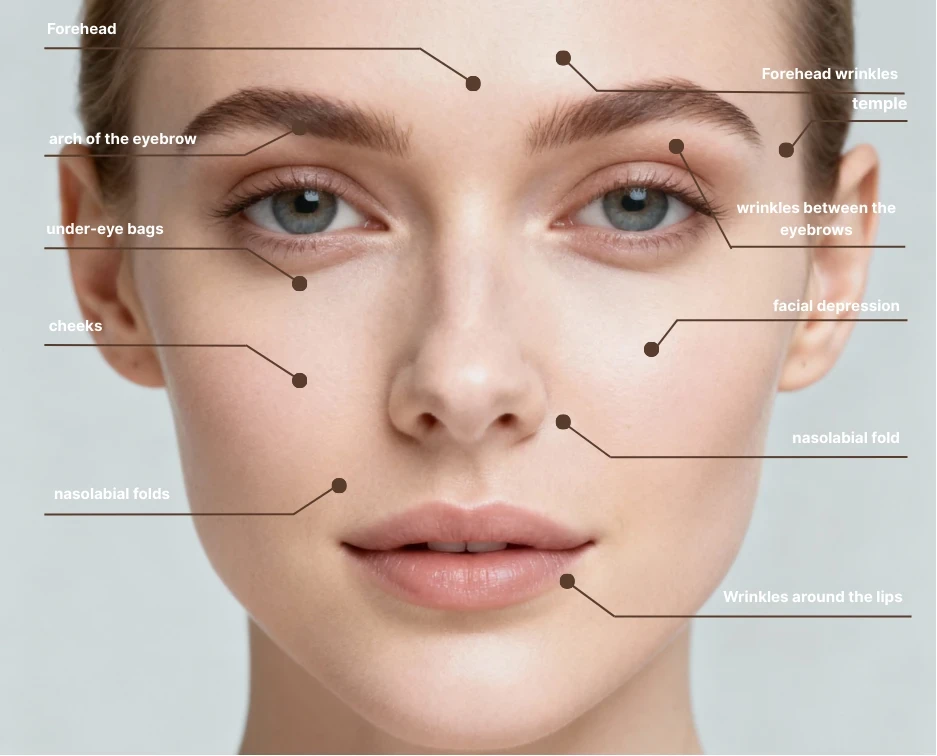
smoothing nasolabial folds (smile lines)
enhancing lips
restoring cheek volume
reducing under-eye hollows
defining the jawline or chin
Unlike surgical procedures such as facelifts, fillers offer temporary but immediate aesthetic improvements with minimal recovery time.
2.How Facial Fillers Work
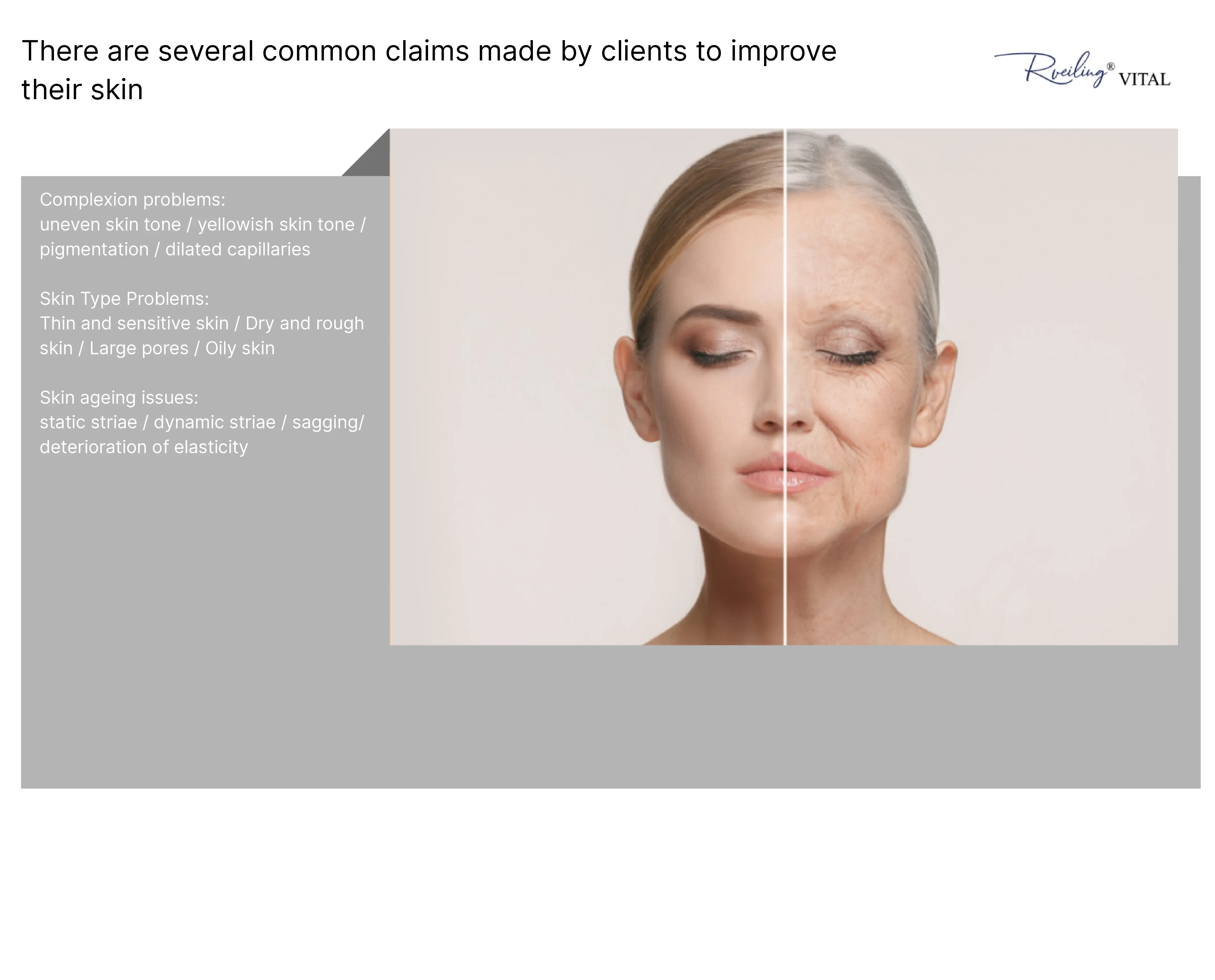
As we age, the face naturally loses collagen, fat, and bone density, which can lead to sagging skin and deeper wrinkles.
Dermal fillers help counter these changes by:
Restoring lost volume beneath the skin
Supporting facial structure
Hydrating tissue in some formulations
Stimulating collagen production with certain filler types
The injected material fills targeted areas and subtly lifts the surrounding skin, creating smoother and more youthful contours.
3.Benefits of Facial Fillers
Facial fillers appeal to patients seeking cosmetic improvements without surgery.
Common advantages include:
Immediate Visible Results
Many fillers produce noticeable improvements right after the procedure.
Minimal Downtime
Most people resume normal activities within a day, though mild swelling or bruising may occur.
Customizable Treatments
Providers can adjust placement and volume to achieve natural-looking outcomes.
Versatility
Fillers can treat multiple areas of the face, including lips, cheeks, jawline, and under-eye hollows.
Temporary and Adjustable
Because many fillers are not permanent, treatments can be adjusted over time as facial structure changes.
4.Types of Facial Fillers
Not all dermal fillers are the same. Different formulations are designed for specific purposes and longevity.
Hyaluronic Acid (HA) Fillers
Hyaluronic acid fillers are the most commonly used type.
Hyaluronic acid is a substance naturally present in the skin that helps maintain moisture and elasticity.
Common uses include:
lip enhancement
smoothing moderate wrinkles
cheek augmentation
under-eye correction
These fillers typically last 6–18 months, depending on the product and treatment area.
Reposted from The Budget Dermatologist
Calcium Hydroxylapatite Fillers
This type of filler contains microscopic calcium particles suspended in a gel.
They are often used for:
deeper wrinkles
cheek contouring
jawline definition
These fillers tend to last around 12–24 months.
Poly-L-lactic Acid Fillers
Unlike other fillers that primarily add volume immediately, poly-L-lactic acid stimulates the body’s natural collagen production over time.
Results develop gradually and can last two years or longer.
PMMA Fillers
Polymethylmethacrylate (PMMA) fillers contain small microspheres that remain beneath the skin to provide long-term support.
They are typically used for deep wrinkles or acne scars, though they are less commonly used compared to HA fillers.
5.Popular Treatment Areas
Facial fillers are versatile and can improve several areas of the face.
Common treatment zones include:
Lips – for volume and shape
Cheeks – to restore youthful fullness
Nasolabial folds – to soften smile lines
Under-eye area – to reduce hollowing
Jawline and chin – for improved definition
Marionette lines – lines extending from the corners of the mouth
Each area may require a different filler formulation or injection technique.
6.What Results Can You Expect?
Results vary based on the filler type, injection technique, and individual anatomy.
In general:
improvements appear immediately or within a few days
mild swelling may occur for 24–72 hours
final results typically settle within 1–2 weeks
The goal of modern aesthetic treatments is subtle enhancement, not dramatic change. Skilled practitioners aim to preserve natural facial expression while improving overall balance and symmetry.
7.Are Facial Fillers Safe?
When administered by trained professionals, facial fillers are generally considered safe.
However, as with any medical procedure, potential side effects exist.
Possible temporary effects include:
swelling
bruising
redness
tenderness at the injection site
Rare complications can occur if injections are performed incorrectly, which is why choosing an experienced provider is essential.
8.Who Is a Good Candidate for Dermal Fillers?
Facial fillers may be suitable for individuals who:
want to reduce visible signs of aging
wish to enhance facial contours
prefer non-surgical cosmetic options
have realistic expectations about results
Patients should consult a licensed medical provider to determine whether fillers are appropriate for their goals and medical history.
9.How to Choose the Right Filler Treatment
Choosing the right treatment involves more than selecting a filler brand.
Important considerations include:
treatment goals
facial anatomy
longevity preferences
provider expertise
A professional consultation typically includes facial analysis, discussion of expectations, and a customized treatment plan.
11.What to Expect During a Filler Appointment
Most filler appointments follow a similar process:
Consultation and facial assessment
Cleansing and preparation of the treatment area
Precise injection using fine needles or cannulas
Minor adjustments to ensure symmetry
The entire procedure often takes less than one hour.
12.Cost of Facial Fillers in the United States
The price of dermal fillers varies widely depending on:
geographic location
provider expertise
filler type
number of syringes required
In the U.S., treatments are typically priced per syringe, and multiple syringes may be required for certain areas.
Patients should prioritize provider experience and safety over price alone.
13.Conclusion
Facial fillers have transformed the field of non-surgical cosmetic treatments by offering a flexible way to enhance facial features and reduce visible signs of aging.
When used thoughtfully and performed by experienced professionals, dermal fillers can deliver natural-looking, balanced results with minimal downtime.
For anyone considering facial fillers, the most important step is a consultation with a qualified medical aesthetics provider who can recommend the safest and most appropriate treatment plan.
FAQ Section
1.What is the difference between Botox and dermal fillers?
Botox (neuromodulators) relaxes the muscles that cause wrinkles to form, essentially "freezing" movement to smooth skin. Dermal fillers restore lost volume and physically fill in creases or contour the face. They are often used together for full facial rejuvenation.
2.Do facial filler injections hurt?
Discomfort is typically minimal. Most modern fillers contain lidocaine (a numbing agent) within the gel itself. Providers may also use topical numbing cream or ice to ensure the patient remains comfortable throughout the procedure.
3.Are facial fillers painful?
Discomfort is usually minimal. Many fillers contain lidocaine, a local anesthetic, and providers often apply topical numbing cream before injections.
4.Can facial fillers look natural?
Yes. When administered conservatively by skilled providers, fillers can create subtle, natural-looking enhancements rather than obvious changes.
Other Blogs