Blog
Non-Surgical Body Sculpting vs Liposuction: What Clinics Should Know
Author
Ray
Published
Category
Design & Inspiration
Compare non-surgical body sculpting vs liposuction, including fat reduction, recovery, results, skin laxity, patient selection, and what clinics should consider.

Author
Ray
An esteemed medical aesthetics expert with 40 years of profound experience in the field. With decades of expertise in non-invasive procedures, anti-aging science, and advanced dermatological solutions, the author is dedicated to sharing insights that connect clinical innovation with real-world patient results. Passionate about advancing safe, effective, and high-impact aesthetic treatments for a global clientele.
What’s better than insider perks, pro tips, and surprises?
Sign up to get the most recent blog articles in your email every week.
Join now.
Our company’s main product lines include HA (Hyaluronic Acid) fillers, CaHA (Calcium Hydroxylapatite) fillers, PLLA (Poly-L-Lactic Acid) biostimulators, and other advanced aesthetic solutions, all developed and manufactured by trusted partner facilities with whom we have maintained long-term, stable collaborations.
I help them with sales and export operations, while our company also provides sourcing and procurement services in China to help international clients solve supply-related challenges. If you need assistance with procurement, please feel free to contact us.
Introduction
Non-surgical body sculpting has become an increasingly visible part of the aesthetic treatment market, giving patients more options for addressing localized areas of unwanted fat without undergoing traditional surgery. At the same time, liposuction remains one of the most established methods for removing larger amounts of subcutaneous fat and reshaping specific areas of the body.
For clinics, the growing interest in both approaches creates an important positioning question: how should non-surgical body sculpting be compared with liposuction, and which option is appropriate for different patient goals?
The answer is not simply that one treatment is better than the other. They are designed for different levels of fat reduction, different treatment experiences, and different patient expectations. Non-surgical body sculpting generally focuses on localized contouring with less invasive treatment, while liposuction uses a surgical approach to physically remove fat from targeted areas.
Understanding these differences allows clinics to explain treatment options more accurately, avoid unrealistic promises, and build a body-contouring menu that matches different patient needs.
Understanding Non-Surgical Body Sculpting
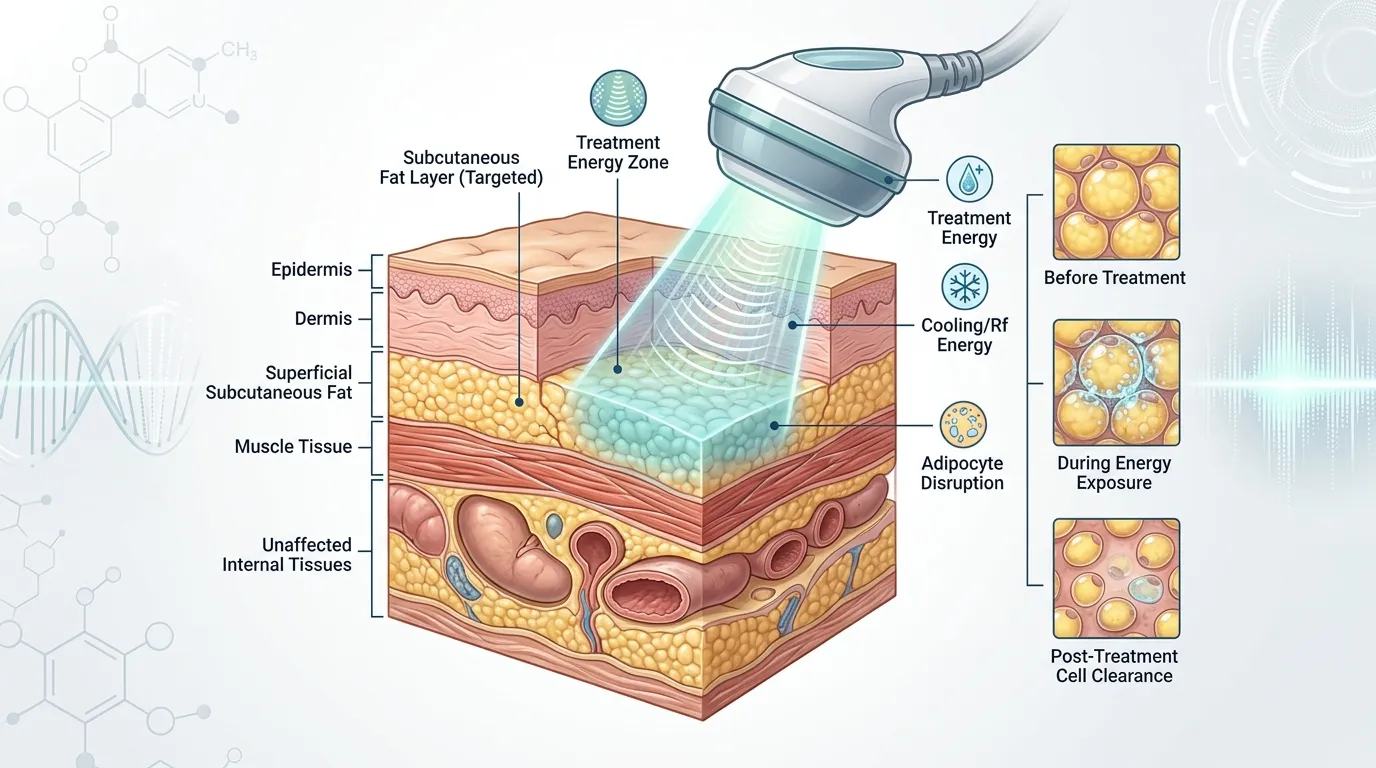
Non-surgical body sculpting refers to a group of aesthetic treatments designed to reduce localized subcutaneous fat or improve body contours without surgically removing fat through an incision.
Depending on the technology, treatments may use controlled cooling, radiofrequency, ultrasound, or other energy-based approaches to affect targeted fat cells. The exact mechanism, treatment protocol, and expected results vary between technologies, so “body sculpting” should be treated as a broad category rather than a single treatment.
This distinction is important for clinics because two devices marketed for body contouring may have very different operating principles and treatment requirements.
How Non-Surgical Fat Reduction Works
Non-surgical fat reduction technologies generally target localized fat deposits rather than attempting to reduce overall body weight.
The treatment area may include regions such as:
Abdomen
Flanks
Thighs
Upper arms
Submental area, depending on the technology
The objective is usually to improve the contour of a specific area rather than produce the dramatic volume reduction associated with surgical fat removal.
After treatment, the body processes the affected fat cells through its normal physiological pathways. Because the process is gradual, patients may not see the final contour immediately after a treatment session.
This gradual process is one of the key differences between non-surgical body sculpting and liposuction. Clinics should therefore explain that body contouring results are typically evaluated over time rather than judged immediately after treatment.
What Body Sculpting Can and Cannot Change
Non-surgical body sculpting can be useful for patients who have relatively localized areas of fat that remain resistant to diet and exercise.
However, it should not be positioned as a general weight-loss treatment.
The distinction is straightforward:
Weight loss involves reducing overall body mass, while body contouring focuses on changing the appearance of specific areas.
A patient may therefore have a healthy body weight and still seek treatment for a small abdominal or flank area that does not respond as expected to lifestyle changes.
At the same time, patients with significant excess fat or those seeking major changes in body volume may require a different treatment approach. Non-surgical contouring has practical limitations, and promising dramatic transformation can lead to unrealistic expectations.
Body Sculpting vs Liposuction
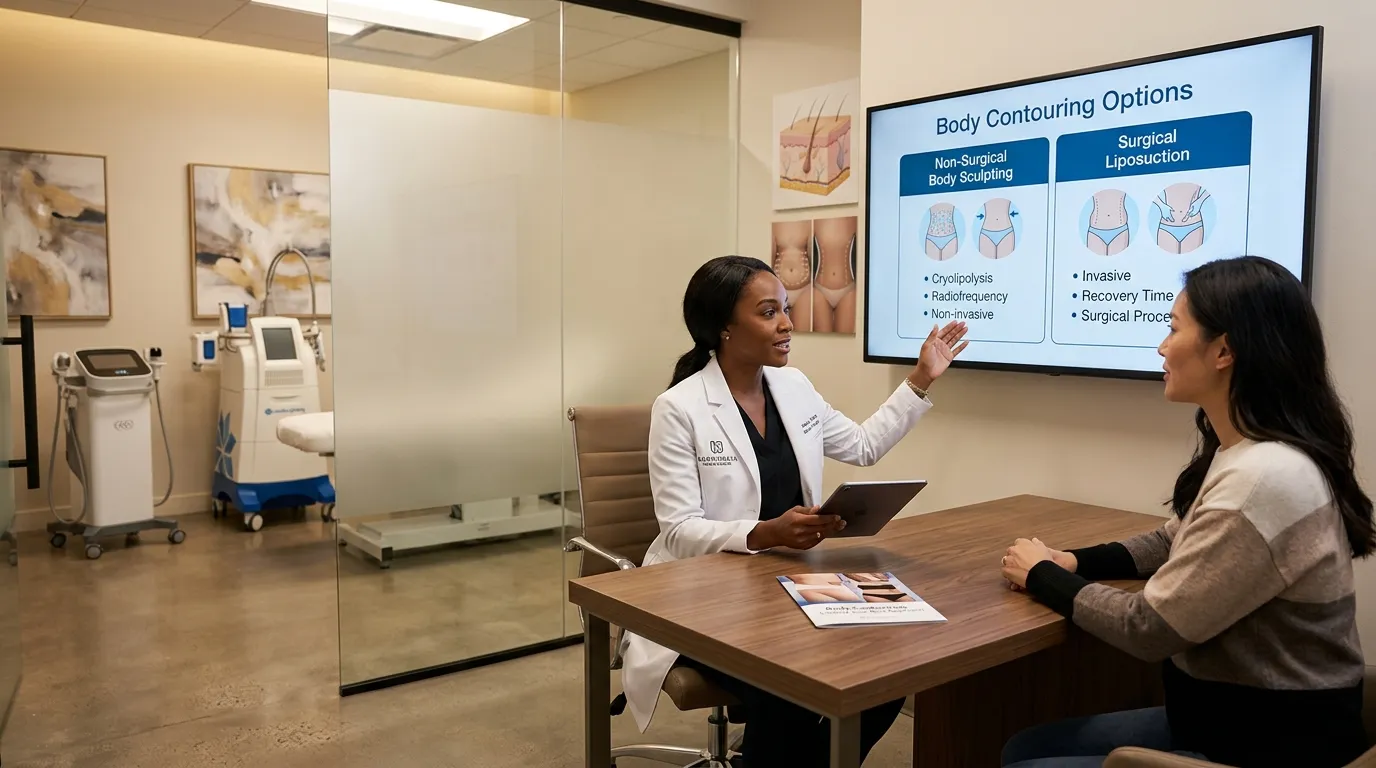
The most important difference between the two approaches is how fat is removed and how invasive the procedure is.
Liposuction is a surgical procedure in which fat is physically removed from the body using specialized instruments. Non-surgical body sculpting, by contrast, aims to reduce or modify localized fat without surgically extracting it.
This difference affects almost every part of the patient experience, including treatment intensity, recovery, treatment planning, and the amount of fat that can be addressed.
Differences in Fat Reduction and Body Contouring
Liposuction is generally capable of removing a larger volume of fat during a procedure, making it more appropriate for patients seeking substantial contour changes.
Non-surgical body sculpting is generally better suited to smaller, localized areas where the patient's main concern is refining a body contour rather than removing a large amount of tissue.
A useful way for clinics to explain the distinction is:
Non-surgical body sculpting: gradual, localized contour refinement
Liposuction: surgical fat removal and more substantial contour modification
Neither approach should automatically be presented as superior. The appropriate choice depends on the patient's anatomy, goals, expectations, medical suitability, and tolerance for surgery and recovery.
Recovery, Results, and Treatment Expectations
Recovery is another major difference.
Because non-surgical body sculpting does not involve the same surgical fat-removal process as liposuction, it generally appeals to patients who want a less invasive treatment experience and limited interruption to their routine.
Liposuction involves surgery and therefore requires a more substantial recovery process. Depending on the procedure and treatment area, patients may experience swelling, bruising, discomfort, and activity restrictions during recovery.
Results also develop differently.
With liposuction, the physical removal of fat can produce a relatively significant contour change, although swelling means the final appearance still takes time to settle.
Non-surgical treatments typically produce a more gradual change, which may require multiple treatment sessions depending on the technology, treatment area, and individual response.
For clinics, this distinction should be part of the consultation rather than an afterthought. Patients who expect a surgical-level transformation from a non-surgical treatment may be disappointed if the expected outcome is not clearly explained in advance.
Can Non-Surgical Body Sculpting Flatten the Stomach?
Abdominal contouring is one of the most common reasons patients consider body sculpting. However, the phrase “flatten the stomach” can mean different things to different patients.
Some may have a relatively small amount of localized subcutaneous fat around the lower abdomen, while others may be dealing with overall weight gain, loose skin, muscle separation, or a combination of these concerns.
Non-surgical body sculpting is most relevant when the primary issue is localized fat rather than overall abdominal size.
Treating Localized Abdominal Fat
Non-surgical treatments may help improve the appearance of areas where a defined layer of subcutaneous fat is present.
The potential outcome depends on factors such as:
Amount and distribution of localized fat
Thickness of the treatment area
Treatment technology
Treatment settings
Number of treatment sessions
Patients with relatively small, localized deposits may be more suitable candidates than those expecting a dramatic reduction in abdominal volume.
Clinics should also distinguish between superficial subcutaneous fat and other causes of abdominal fullness. Body sculpting technologies are not designed to remove visceral fat or address every reason why the abdomen may appear larger.
Why Body Sculpting Is Not a Weight-Loss Treatment
Body sculpting should not be marketed as an alternative to weight management.
A patient can lose weight without achieving the specific contour they want, while another patient may have a healthy weight but still have stubborn localized fat.
This is why consultation should focus on body contouring goals rather than a target number on the scale.
Patients expecting substantial overall weight loss may not be appropriate candidates for a localized body sculpting procedure. Setting this expectation early helps clinics avoid positioning an aesthetic contouring treatment as a substitute for diet, exercise, or medical weight-management strategies.
Does Non-Surgical Body Sculpting Cause Sagging Skin?
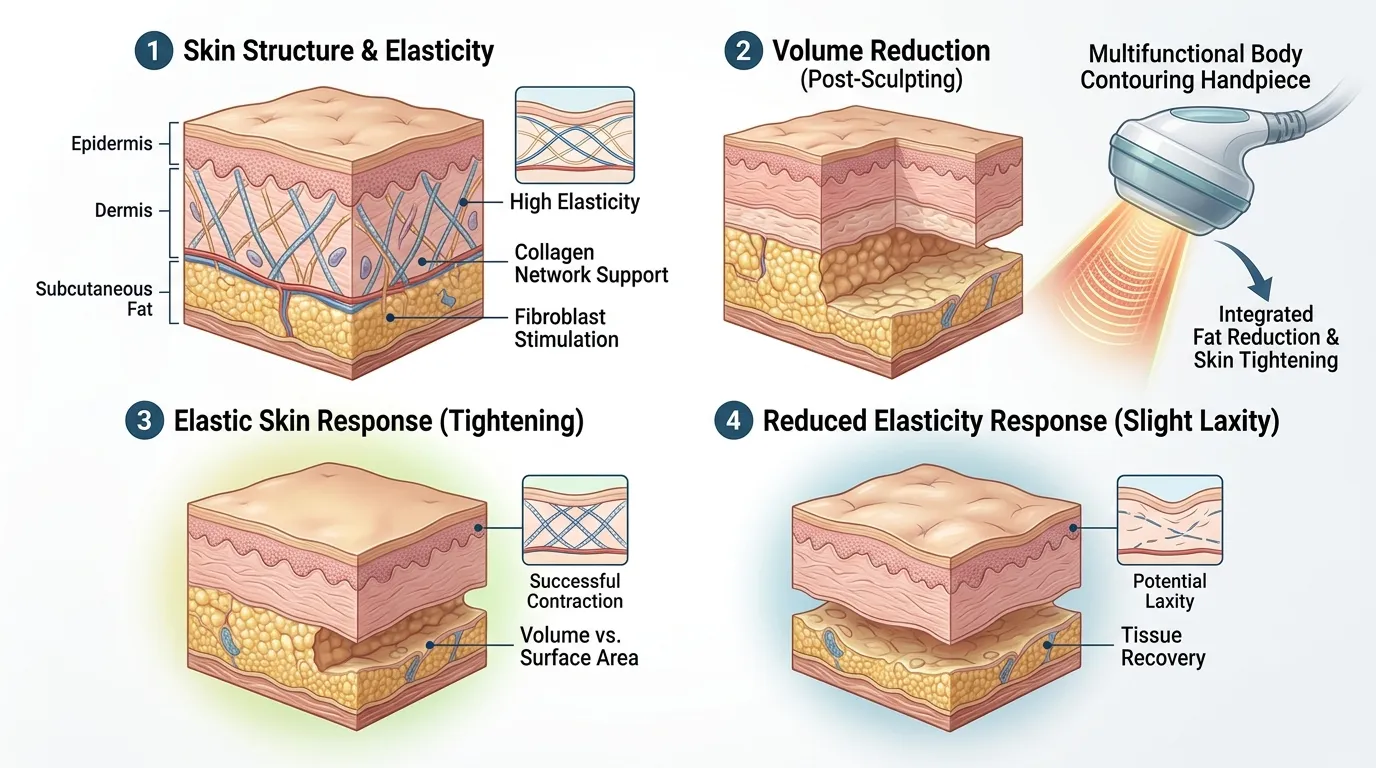
Skin laxity is an important consideration whenever a treatment reduces the volume of underlying fat.
Whether a patient experiences loose-looking skin after fat reduction depends on more than the treatment itself. Age, skin elasticity, the amount of fat being reduced, genetics, previous weight changes, and the treatment area can all influence the final appearance.
Factors That Affect Skin Appearance After Fat Reduction
Younger skin with good elasticity may adapt more easily to changes in underlying volume, while significant existing laxity can make the skin appear looser after fat reduction.
Clinics should therefore assess the condition of the skin as part of the consultation.
Relevant factors include:
Existing skin laxity
Age-related loss of elasticity
Previous major weight loss
Amount of localized fat
Treatment area
Overall skin quality
A patient with substantial loose skin may not achieve the desired result from fat reduction alone.
This is an important distinction because removing or reducing fat does not automatically tighten the skin.
When Skin Tightening May Be Considered
For patients whose main concern is lax skin rather than localized fat, a skin-tightening approach may be more relevant.
Some body-contouring platforms combine or sequence fat reduction with technologies designed to improve the appearance of skin firmness. Energy-based treatments such as radiofrequency may be used in certain aesthetic protocols for skin tightening, depending on the device and indication.
Clinics should evaluate these technologies separately rather than assuming that every body sculpting treatment provides both fat reduction and skin tightening.
The treatment plan should reflect the patient's dominant concern:
localized fat → contouring strategy
skin laxity → skin-tightening strategy
both concerns → potentially combined treatment approach
How Long Do Body Sculpting Results Last?
Patients frequently ask how long the results of body sculpting will remain visible. There is no single answer because longevity depends on the technology used, the treatment outcome, and what happens to the patient's body afterward.
When a treatment permanently reduces or destroys targeted fat cells, the treated cells do not simply regenerate in the same way. However, the remaining fat cells can still enlarge if the patient gains weight.
This means a lasting treatment does not make the treated area permanently immune to future changes.
What Determines Long-Term Results
Several factors can influence how stable the visible contour remains:
Amount of weight gained or lost after treatment
Patient age and natural changes in body composition
Treatment area
Initial amount of localized fat
Quality of the treatment protocol
Patients should therefore understand the difference between lasting fat-cell reduction and permanent body shape.
The first can be achievable with certain technologies, while the second is influenced by ongoing changes in body composition and aging.
Maintenance and Lifestyle Considerations
A healthy lifestyle remains relevant after body contouring.
Body sculpting is generally intended to refine specific areas rather than protect against future weight gain. Significant changes in body weight can alter the appearance of both treated and untreated areas.
For clinics, follow-up consultations can be useful for assessing whether a patient has reached the desired contour and whether additional treatment is appropriate.
Maintenance should not automatically mean repeated treatment at fixed intervals. The appropriate approach depends on the technology, patient response, and clinical assessment.
How Clinics Should Evaluate Body Sculpting Technologies
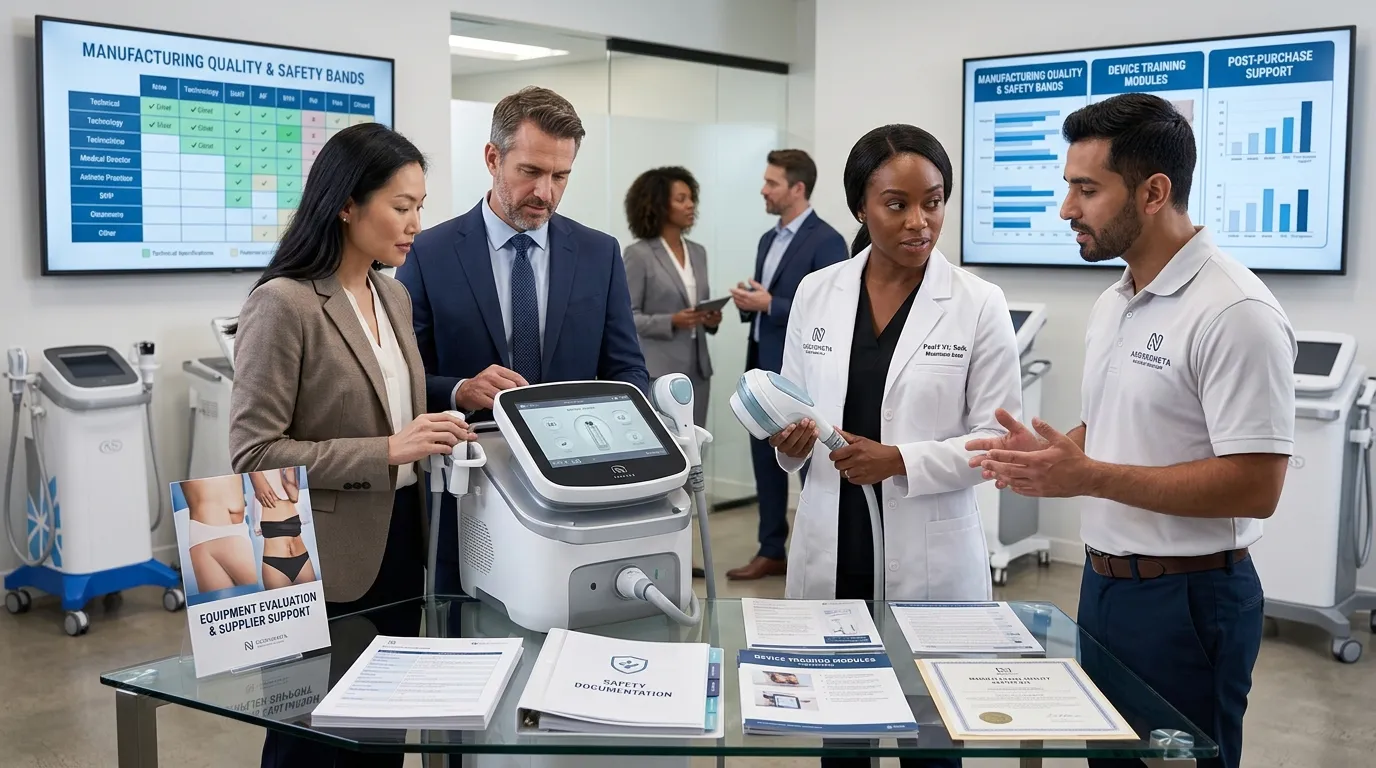
For clinics considering adding body sculpting to their treatment menu, choosing a device requires a different evaluation process from choosing a consumer skincare product.
The technology needs to fit the clinic's target patients, treatment areas, staff capabilities, operating model, and business objectives.
Treatment Technology and Fat Reduction Mechanism
Different body contouring technologies use different approaches to target localized fat.
Depending on the platform, technologies may rely on:
Controlled cooling
Radiofrequency energy
Ultrasound
Other energy-based mechanisms
Clinics should understand exactly how a device is intended to work instead of evaluating equipment based only on marketing terms such as “fat burning” or “body sculpting.”
Before purchasing, buyers should review the manufacturer's technical information, intended treatment areas, treatment protocols, contraindications, and available clinical evidence.
Patient Selection and Treatment Area
A technology that works well for one treatment area may not be appropriate for another.
Clinics should consider:
Which body areas the device is designed to treat
Applicator or handpiece configuration
Suitable patient profiles
Treatment duration
Number of sessions typically required
Practitioner training requirements
Patient selection is equally important. A clinic may have an excellent device but poor results if it routinely treats patients whose expectations or anatomy do not match the technology's intended application.
Safety, Documentation, and Manufacturer Support
Equipment selection should also include a review of the manufacturer's documentation and after-sales support.
For B2B buyers, useful information may include:
Regulatory documentation applicable to the target market
Treatment protocols
Operator training
Maintenance requirements
Warranty terms
Replacement parts and technical support
This is particularly important when purchasing from overseas manufacturers. A lower equipment price may not represent better value if training, maintenance, or replacement support is difficult to access.
Clinics should evaluate the complete supplier relationship rather than comparing machines on purchase price alone.
Frequently Asked Questions
Q1: Is non-surgical body sculpting worth it?
It can be worthwhile for appropriately selected patients who want to improve localized body contours without undergoing surgery. The expected result should be discussed realistically before treatment.
Q2: What is a cheaper alternative to liposuction?
Non-surgical body sculpting can be an alternative for patients who do not want surgical fat removal, although the treatment objectives and expected degree of contour change are different from liposuction.
Q3: Can body sculpting flatten your stomach?
It may improve the appearance of localized abdominal fat, but it is not a general weight-loss treatment and cannot address every cause of abdominal fullness.
Q4: How long do body sculpting results last?
Results can be long-lasting when targeted fat cells are permanently reduced, but future weight gain, aging, and changes in body composition can affect the appearance of the treated area.
Q5: Can body sculpting leave you with saggy skin?
Fat reduction does not automatically cause sagging skin, but patients with existing skin laxity or limited elasticity may be more likely to notice loose-looking skin after volume reduction.
Conclusion
Non-surgical body sculpting and liposuction serve different purposes within the body-contouring market. Liposuction remains a surgical approach capable of removing a larger amount of fat, while non-surgical technologies offer patients a less invasive option for addressing selected areas of localized fat.
For clinics, the key is not to position one treatment as universally better. Patient selection, treatment goals, technology, skin condition, and realistic expectations all need to be considered before recommending a particular approach.
For aesthetic businesses evaluating body sculpting equipment, the same principle applies to technology selection. Understanding the treatment mechanism, intended patient population, documentation, training requirements, and manufacturer support is more valuable than choosing equipment based solely on price or marketing claims.
Frequently Asked Questions
Q1: Is non-surgical body sculpting worth it?
It can be worthwhile for appropriately selected patients who want to improve localized body contours without undergoing surgery. The expected result should be discussed realistically before treatment.
Q2: What is a cheaper alternative to liposuction?
Non-surgical body sculpting can be an alternative for patients who do not want surgical fat removal, although the treatment objectives and expected degree of contour change are different from liposuction.
Q3: Can body sculpting flatten your stomach?
It may improve the appearance of localized abdominal fat, but it is not a general weight-loss treatment and cannot address every cause of abdominal fullness.
Q4: How long do body sculpting results last?
Results can be long-lasting when targeted fat cells are permanently reduced, but future weight gain, aging, and changes in body composition can affect the appearance of the treated area.
Q5: Can body sculpting leave you with saggy skin?
Fat reduction does not automatically cause sagging skin, but patients with existing skin laxity or limited elasticity may be more likely to notice loose-looking skin after volume reduction.
Other Blogs