Blog
How to Choose the Right Injectable Aesthetic Products for the US Market
Author
Ray
Published
Category
Design & Inspiration
Learn how to choose the right injectable aesthetic products for the US market, including fillers, biostimulators, skin boosters, and supplier evaluation factors.


Author
Ray
An esteemed medical aesthetics expert with 40 years of profound experience in the field. With decades of expertise in non-invasive procedures, anti-aging science, and advanced dermatological solutions, the author is dedicated to sharing insights that connect clinical innovation with real-world patient results. Passionate about advancing safe, effective, and high-impact aesthetic treatments for a global clientele.
What’s better than insider perks, pro tips, and surprises?
Sign up to get the most recent blog articles in your email every week.
Join now.
Our company’s main product lines include HA (Hyaluronic Acid) fillers, CaHA (Calcium Hydroxylapatite) fillers, PLLA (Poly-L-Lactic Acid) biostimulators, and other advanced aesthetic solutions, all developed and manufactured by trusted partner facilities with whom we have maintained long-term, stable collaborations.
I help them with sales and export operations, while our company also provides sourcing and procurement services in China to help international clients solve supply-related challenges. If you need assistance with procurement, please feel free to contact us.
Introduction
The US aesthetic market continues to expand as more patients seek personalized, minimally invasive treatments for facial rejuvenation, skin improvement, and age-related concerns. For clinics, distributors, and aesthetic brands, this growth creates new opportunities—but also makes product selection more challenging.
Building an injectable aesthetic product portfolio is not simply about choosing the most popular products. Different injectable categories serve different treatment goals, patient expectations, and business strategies. A clinic focused on facial contouring may require a different product mix compared with a practice specializing in skin quality improvement or preventive aesthetics.
For professional buyers, the right portfolio should balance treatment versatility, product quality, market demand, and long-term scalability. Understanding how different injectable products fit into the US aesthetic landscape can help clinics and brands make more informed decisions when expanding their offerings.
Understanding the US Injectable Aesthetic Market
The US aesthetic industry has gradually shifted from a one-dimensional approach focused mainly on wrinkle correction toward a more comprehensive concept of facial optimization.
Many patients are no longer looking for a single procedure. Instead, they expect personalized treatment plans that may combine volume restoration, collagen support, and skin quality improvement.
This change has influenced how clinics develop their injectable offerings. Rather than relying on one product category, successful aesthetic practices often build a portfolio that addresses different stages of facial aging and different patient preferences.
For example:
Younger patients may focus on prevention, hydration, and skin quality improvement.
Patients experiencing volume loss may require structural enhancement solutions.
Patients seeking long-term rejuvenation may prefer collagen-supporting approaches.
A diversified product portfolio allows practitioners to select treatments based on individual goals instead of applying the same solution to every patient.
Why Product Portfolio Strategy Matters for Clinics and Brands
A well-planned injectable portfolio provides value beyond increasing the number of available treatments.
For clinics, a broader but carefully selected product range can help improve patient retention by allowing practitioners to create more customized treatment plans. Patients with different concerns can receive solutions that better match their aesthetic goals.
For distributors and aesthetic brands, portfolio strategy directly affects market positioning. Offering complementary products can help businesses support a wider range of professional customers and adapt to changing treatment trends.
However, portfolio expansion should be strategic. Adding multiple products with similar functions may create unnecessary complexity in inventory management, training, and marketing.
A stronger approach is to create a balanced product ecosystem where each category has a clear purpose.
Core Injectable Product Categories for the US Aesthetic Market
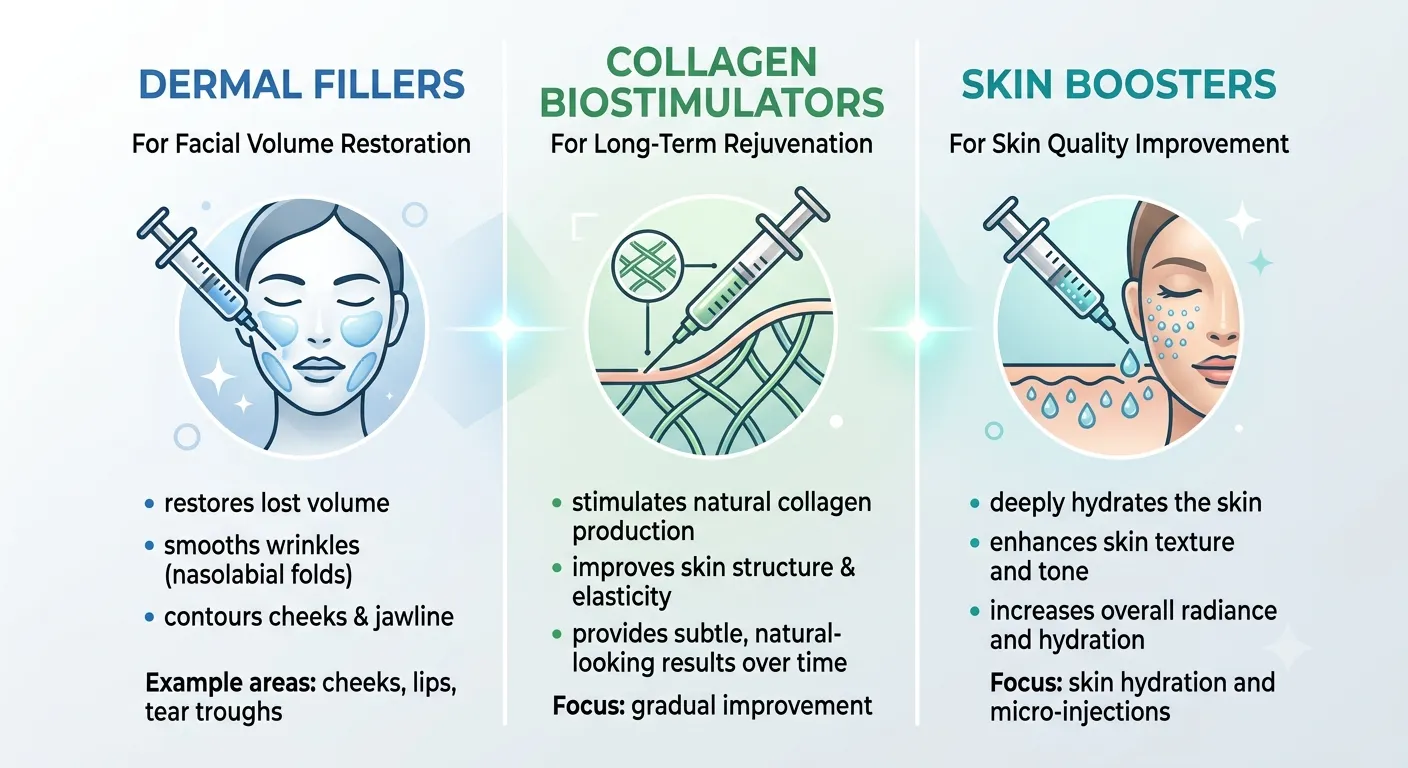
A complete injectable portfolio usually includes several key categories that address different aesthetic objectives. Each category plays a different role and should be evaluated according to clinical applications, patient demand, and business goals.
Hyaluronic Acid Fillers for Volume Restoration and Facial Contouring
Hyaluronic acid (HA) fillers remain one of the most established categories in aesthetic medicine. They are widely used because they provide volume enhancement, facial contouring support, and correction of visible volume loss.
Within a clinic’s product portfolio, HA fillers often serve as a foundational category because they can address multiple facial treatment needs.
Common applications include:
Restoring facial volume
Enhancing facial contours
Improving lip appearance
Supporting facial balance
However, selecting HA fillers for a professional portfolio requires more than choosing a single product. Different treatment areas may require different product characteristics, including flexibility, lifting capacity, and tissue integration.
For example, a product designed for subtle soft-tissue enhancement may have different characteristics from one intended for structural contouring.
For clinics, having appropriate filler options allows practitioners to match product selection with patient anatomy and treatment goals. For brands and distributors, a well-developed HA filler range can serve as the foundation for expanding into additional injectable categories.
Collagen Biostimulators for Long-Term Aesthetic Improvement
The demand for collagen-focused treatments has increased as more patients look for gradual and natural-looking aesthetic results.
Unlike traditional fillers that mainly provide immediate volume enhancement, biostimulatory products focus on supporting the skin’s own collagen production process.
PLLA-based and CaHA-based products are examples of injectable solutions that are positioned around collagen stimulation and long-term aesthetic improvement.
Within an injectable portfolio, biostimulators can complement HA fillers by addressing different patient expectations.
They may be suitable for patients who prefer:
Gradual aesthetic changes
Natural-looking improvements
For clinics, adding biostimulatory products creates more treatment flexibility. Instead of offering only volume-based solutions, practitioners can provide options that align with patients seeking progressive improvements.
For aesthetic brands and distributors, collagen-supporting products also represent an important category as the market continues moving toward regenerative aesthetics.
Skin Boosters and Regenerative Injectable Solutions for Skin Quality
While dermal fillers and biostimulators focus largely on facial structure and long-term rejuvenation, skin quality has become another important area of aesthetic treatment.
Many patients are interested in improving overall skin condition rather than changing facial shape. Concerns such as dull appearance, uneven texture, dehydration, and early signs of aging have increased demand for injectable solutions designed for skin enhancement.
Skin boosters and regenerative products provide another layer within an injectable portfolio. These products allow clinics to support patients who may not require significant volume restoration but still want professional aesthetic improvement.
Common treatment goals in this category include:
Supporting skin hydration
Improving overall skin appearance
Maintaining skin quality over time
Addressing early aesthetic concerns
Products containing ingredients such as hyaluronic acid, PDRN, PN, or peptide-based formulations are often positioned within this category, depending on their intended use and formulation.
For clinics, including skin quality-focused solutions can help create more complete treatment plans. A patient may begin with a skin improvement treatment and later consider other injectable options based on their changing needs.
For brands and distributors, skin boosters also provide an opportunity to reach a broader customer base, especially as aesthetic treatments continue expanding beyond traditional anti-aging procedures.
How to Build a Product Portfolio Based on Patient Demand
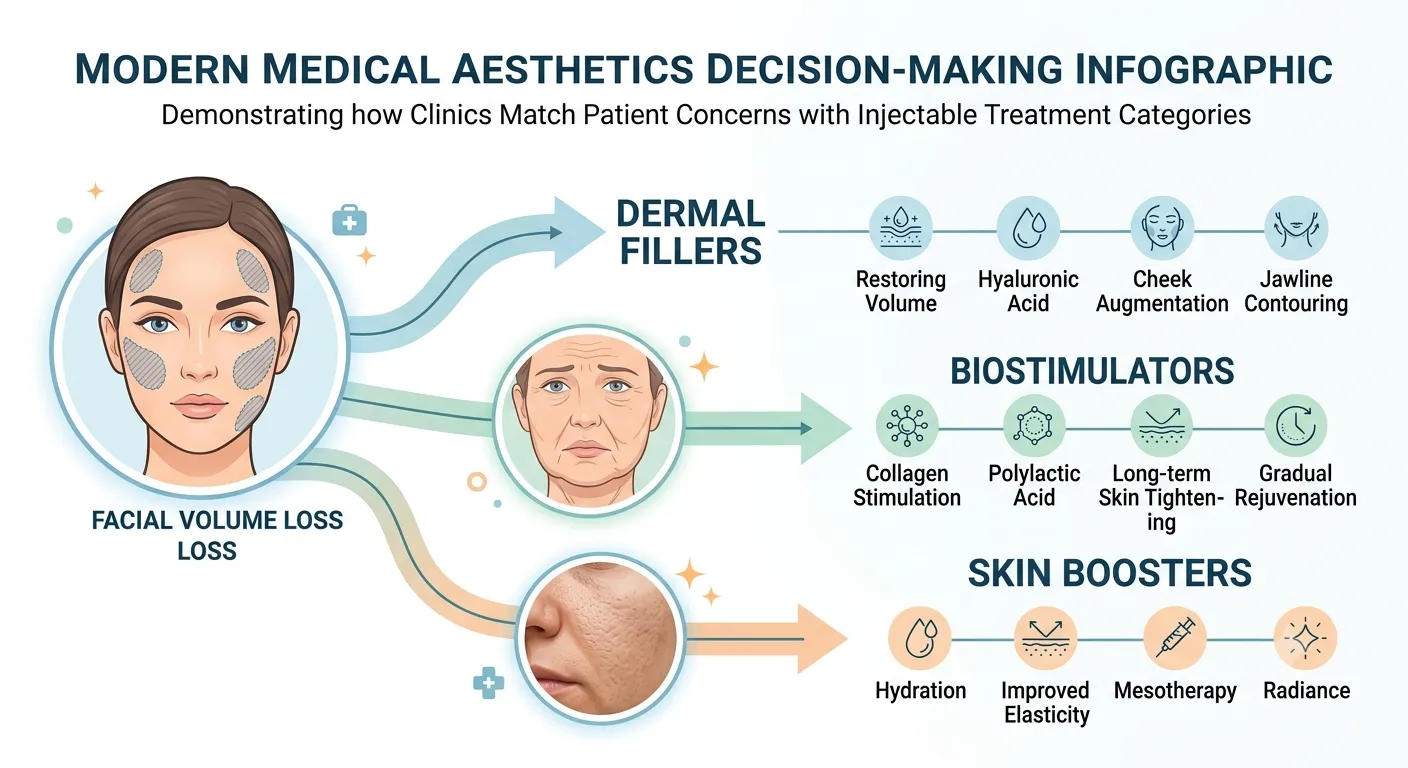
Selecting injectable products for the US market requires understanding what patients are looking for and how different treatments fit into an overall aesthetic strategy.
A successful portfolio should not be built around individual products alone. Instead, each category should solve a specific patient concern.
Addressing Facial Volume Loss and Contouring Needs
Volume restoration remains one of the most common reasons patients seek injectable treatments.
For this segment, HA fillers typically serve as a core solution because they provide immediate improvement in facial structure and contour.
A clinic targeting facial rejuvenation services may consider including different filler options based on treatment areas and desired outcomes, allowing practitioners to create more personalized approaches.
Supporting Preventive and Maintenance Treatments
The aesthetic market has also seen growing interest from younger patients who are focused on maintaining skin quality and delaying visible signs of aging.
This demand creates opportunities for products such as skin boosters and regenerative injectable solutions.
These treatments can complement traditional filler services by offering options for patients who are not primarily seeking volume enhancement.
Creating Treatment Pathways Instead of Single Treatments
A strong injectable portfolio allows clinics to create treatment pathways rather than isolated procedures.
For example:
A patient concerned about early skin aging may begin with skin quality-focused treatments.
A patient experiencing facial volume loss may require structural enhancement.
A patient seeking gradual rejuvenation may consider collagen-supporting solutions.
This approach helps clinics provide more personalized care while improving the long-term value of their treatment offerings.
Key Factors When Selecting Injectable Products for the US Market
Choosing injectable products for a professional portfolio requires evaluation beyond product popularity. Clinics and distributors should consider several factors before introducing new solutions.

Regulatory Documentation and Market Compliance
The US aesthetic market requires professional buyers to carefully evaluate product documentation and compliance information.
Before adding a product to a portfolio, businesses should review:
Product documentation
Intended use information
Quality management systems
Manufacturing standards
Market-specific requirements
International manufacturers with recognized quality systems, such as ISO 13485, can provide additional confidence regarding production consistency and quality control processes.
However, regulatory requirements vary by product category and market. Professional buyers should always verify whether products meet the requirements applicable to their intended use.
Manufacturer Reliability and Production Capability
The choice of manufacturer can significantly influence long-term portfolio success.
A reliable injectable manufacturer should provide more than finished products. Important considerations include:
Consistent manufacturing processes
Quality control procedures
Technical documentation support
Product development capability
For brands planning long-term growth, manufacturing partnerships can affect not only product availability but also brand reputation.
Aowita Biotech, for example, operates under the European ISO 13485 quality management system and provides aesthetic solutions to professional organizations across more than 30 countries. Manufacturing experience, quality systems, and international supply capability are important factors for companies evaluating injectable suppliers.
Product Differentiation and Portfolio Positioning
The aesthetic market is highly competitive, making product differentiation increasingly important.
Adding another similar product may not create meaningful value. Instead, brands and clinics should consider whether each product fills a specific market need.
A well-positioned portfolio should answer questions such as:
What patient concern does this product address?
How does it complement existing treatments?
Does it provide a different treatment option?
Can practitioners clearly understand its role?
A focused portfolio with clear positioning is often more effective than a large collection of products without a defined strategy.
Building a Scalable Injectable Product Portfolio for Long-Term Growth
Expanding an injectable aesthetic product portfolio is a long-term business decision. Clinics and brands should consider not only current market demand but also how their product strategy can adapt as aesthetic trends continue to change.
A scalable portfolio should have enough flexibility to support different treatment needs while remaining manageable in areas such as training, inventory, and customer support.
Instead of continuously adding new products, businesses should focus on creating a balanced structure where each product category has a clear role.
For example:
HA fillers can provide a foundation for facial volume and contouring treatments.
Biostimulators can support patients seeking gradual collagen-focused improvement.
Skin boosters can address increasing demand for skin quality enhancement.
This type of structure helps clinics develop a broader range of treatment options without creating unnecessary overlap between products.
The Role of Manufacturer Support in Portfolio Expansion
For professional buyers, choosing a manufacturer is not only about purchasing injectable products. A strong manufacturing partner can support portfolio development through technical knowledge, documentation, and long-term cooperation.
When expanding into new injectable categories, clinics and brands may need support in areas such as:
Product education and technical information
Packaging and branding solutions
Supply chain management
Quality documentation
Market expansion planning
For aesthetic brands developing their own product lines, manufacturing capability is especially important. A supplier with research experience, production expertise, and intellectual property protection can help brands create differentiated products while maintaining consistent quality.
Aowita Biotech has developed its own intellectual property portfolio, including registered trademarks and patented technologies, while providing aesthetic solutions for professional markets worldwide. These capabilities can support brands and distributors looking for reliable long-term partnerships.
Conclusion
Choosing the right injectable aesthetic products for the US market requires more than following popular trends. Clinics, distributors, and aesthetic brands need to evaluate how different product categories fit together and how they support changing patient expectations.
A complete portfolio typically combines complementary solutions, including dermal fillers for volume restoration, biostimulators for collagen-focused improvement, and skin boosters for skin quality enhancement.
The most successful product strategies focus on balance: selecting products with clear positioning, reliable manufacturing support, and the ability to meet specific market needs.
By working with experienced suppliers and building a thoughtful injectable product portfolio, aesthetic businesses can create stronger treatment offerings and develop sustainable growth in an increasingly competitive market.
Frequently Asked Questions
1. What injectable aesthetic products should a new clinic offer first?
A new clinic usually benefits from starting with a focused product range that covers common patient needs rather than offering too many products at once. Many practices begin with core categories such as dermal fillers, skin quality solutions, and collagen-supporting treatments before expanding based on patient demand.
2. How can clinics determine whether a new injectable product is suitable for their patients?
Clinics should evaluate whether the product matches their patient demographics, treatment services, practitioner experience, and overall aesthetic strategy. Factors such as treatment purpose, product documentation, supplier support, and patient expectations should all be considered before introduction.
3. Should aesthetic clinics choose a complete product line from one manufacturer?
Working with one manufacturer can simplify supply management, product training, and communication. However, clinics and distributors should still evaluate each product individually to ensure quality, documentation, and suitability for their specific market needs.
4. What is the difference between a product portfolio and simply selling more injectable products?
A product portfolio is built around complementary treatment solutions, while simply adding more products may create unnecessary overlap. A strategic portfolio ensures that each product serves a clear purpose and supports different patient concerns.
5. How important is manufacturer certification when selecting injectable aesthetic products?
Manufacturer certifications and quality systems can help professional buyers evaluate production standards and reliability. Clinics and distributors should review relevant quality documentation, manufacturing processes, and compliance information before selecting a supplier.
6. How often should an aesthetic clinic expand its injectable product portfolio?
There is no fixed timeline for portfolio expansion. Clinics should consider changes in patient demand, treatment trends, business growth, and available training resources rather than adding products based only on market popularity.
7. What factors should distributors consider when selecting injectable products for the US market?
Distributors should evaluate product quality, documentation, supply capability, market demand, customer support, and regulatory requirements. A product that performs well commercially should also fit the needs of professional users and local market conditions.
8. Can clinics offer both fillers and biostimulators in the same treatment strategy?
Yes. Fillers and biostimulators serve different aesthetic purposes and may complement each other within a broader treatment approach. The appropriate combination depends on patient goals, clinical assessment, and professional judgment.
9. What information should buyers request from an injectable aesthetic manufacturer?
Professional buyers should request information such as product specifications, manufacturing details, quality documentation, storage requirements, traceability information, and technical support resources before making purchasing decisions.
10. Why is product differentiation important in the aesthetic injectable market?
The injectable aesthetic market is highly competitive, and products with clear positioning can help clinics and brands stand out. A differentiated portfolio allows businesses to address specific patient needs instead of competing only through product quantity or pricing.
Other Blogs