Blog
How to Develop a Private Label PDRN Serum for Your Skincare Brand
Author
Ray
Published
Category
Design & Inspiration
Learn how to develop a private label PDRN serum, from formula selection and OEM manufacturing to quality control, packaging, and supplier evaluation.

Author
Ray
An esteemed medical aesthetics expert with 40 years of profound experience in the field. With decades of expertise in non-invasive procedures, anti-aging science, and advanced dermatological solutions, the author is dedicated to sharing insights that connect clinical innovation with real-world patient results. Passionate about advancing safe, effective, and high-impact aesthetic treatments for a global clientele.
What’s better than insider perks, pro tips, and surprises?
Sign up to get the most recent blog articles in your email every week.
Join now.
Our company’s main product lines include HA (Hyaluronic Acid) fillers, CaHA (Calcium Hydroxylapatite) fillers, PLLA (Poly-L-Lactic Acid) biostimulators, and other advanced aesthetic solutions, all developed and manufactured by trusted partner facilities with whom we have maintained long-term, stable collaborations.
I help them with sales and export operations, while our company also provides sourcing and procurement services in China to help international clients solve supply-related challenges. If you need assistance with procurement, please feel free to contact us.
Why More Brands Are Developing Private Label PDRN Serums
The skincare market has become increasingly competitive, and many brands are looking for products that offer more than basic hydration or general skincare positioning.
PDRN has gained attention among premium skincare brands because it connects with several current market trends, including advanced ingredient-based skincare, K-beauty-inspired formulations, clinic-inspired home care, and skin quality-focused routines. However, developing a successful PDRN serum is not simply about adding a trending ingredient to a bottle.
For skincare brands, the real challenge is turning an ingredient concept into a complete product that matches:
Target customer expectations
Brand positioning
Formula requirements
Packaging style
Market regulations
Long-term product strategy
A well-developed private label PDRN serum should have a clear purpose within the brand’s product portfolio rather than existing only because the ingredient is popular.
What Does Private Label PDRN Serum Development Include?
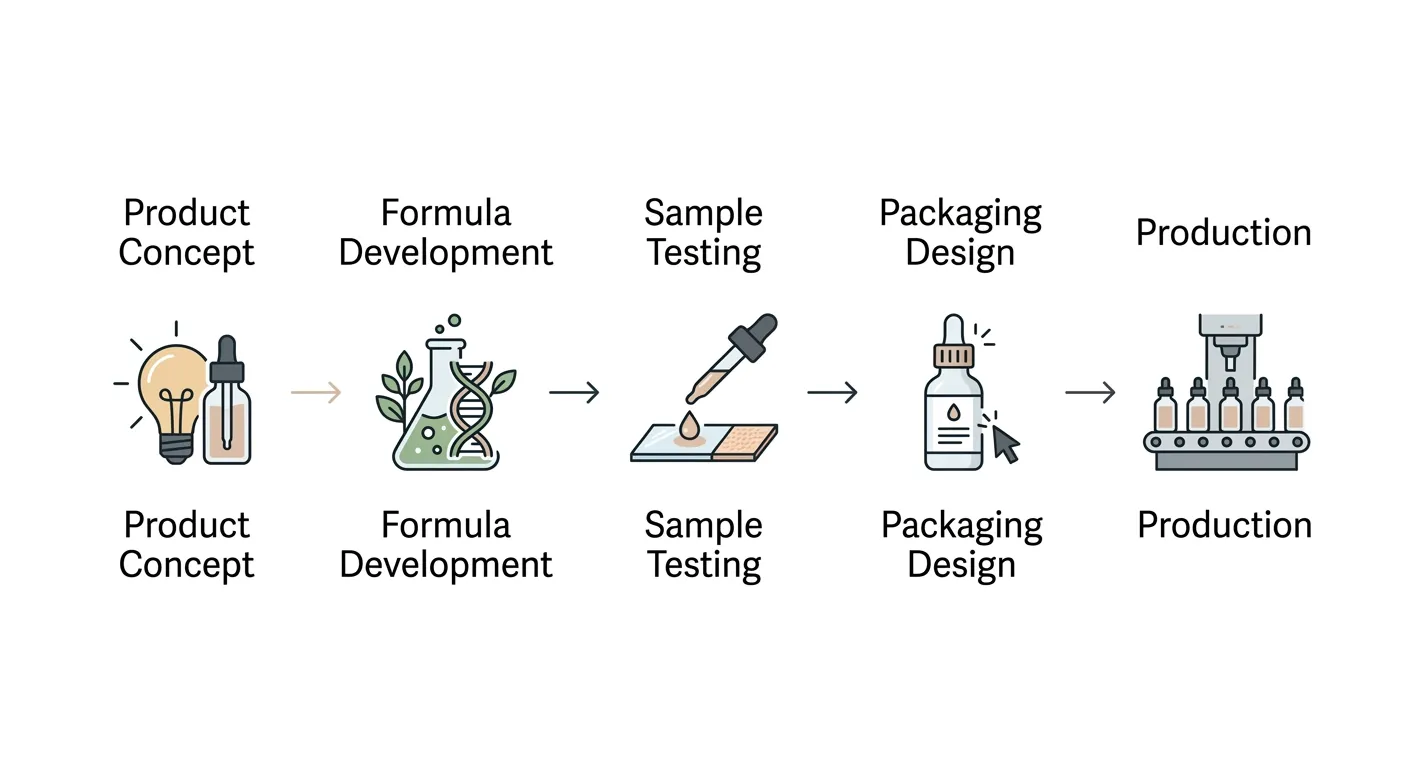
Private label product development involves more than selecting an existing formula and adding a brand logo.
Depending on the manufacturer’s capabilities and the brand’s goals, the development process may include:
Product positioning
Formula selection or customization
Ingredient evaluation
Sample development
Packaging selection
Documentation preparation
Production planning
For new skincare brands, a private label model can provide a more practical way to enter the market compared with developing an entirely new product from the beginning.
For established brands, PDRN can also be used as an extension of an existing skincare line, such as adding a premium serum category or expanding into professional skincare-inspired products.
Formula Selection and Product Positioning
Before developing samples, brands should first define what role the PDRN serum will play.
A product positioned for daily hydration may require a different formula direction from a premium anti-aging skincare serum or a clinic retail product.
Common positioning directions may include:
Hydration-focused serum
Skin comfort and barrier-support skincare
Premium age-care product
Clinic-inspired home-care product
K-beauty-inspired ampoule-style serum
The positioning decision affects later choices, including texture, supporting ingredients, packaging, and marketing communication.
A clear product concept also helps manufacturers create more relevant samples instead of developing formulas based only on a general ingredient trend.
Choosing Supporting Ingredients for a PDRN Serum Formula
PDRN is usually part of a complete formula rather than the only ingredient considered.
Many skincare products combine hero ingredients with supporting components that influence product feel and positioning.
Possible supporting ingredient directions may include:
Hyaluronic acid for hydration-focused formulas
Peptides for premium age-care positioning
Niacinamide for overall skin-conditioning concepts
Panthenol or soothing ingredients for comfort-focused products
The final formula should match the intended product story.
For example, a brand creating a lightweight daily serum may prioritize fast absorption and layering ability, while a premium treatment-style serum may focus more on texture, packaging experience, and a richer product feel.
How Brands Should Plan a Private Label PDRN Serum Project
A successful product launch usually starts with a clear development plan.
Before contacting a manufacturer, brands should define several basic requirements:
Target Market
Brands should understand who will use the product and where it will be sold.
Important considerations include:
Consumer expectations
Price positioning
Retail channel
Regional requirements
Competitor landscape
A product designed for a luxury skincare market may require different packaging and formulation choices compared with an entry-level online skincare product.
Product Format and User Experience
The format of the product influences how customers perceive the brand.
A PDRN product may be developed as:
Lightweight serum
Ampoule-style product
Gel serum
Richer treatment serum
Texture, absorption speed, packaging design, and application experience all contribute to the overall product impression.
For premium skincare brands, the user experience often becomes part of the product value.
Brand Positioning and Claim Direction
Ingredient-based products require careful communication.
Brands should make sure their product claims match:
The actual formula
Available documentation
Applicable market requirements
A cosmetic serum should be positioned according to its intended cosmetic use rather than making unsupported medical claims.
Clear claim direction helps avoid problems during product marketing, distributor review, or market expansion.
Selecting the Right Product Development Approach
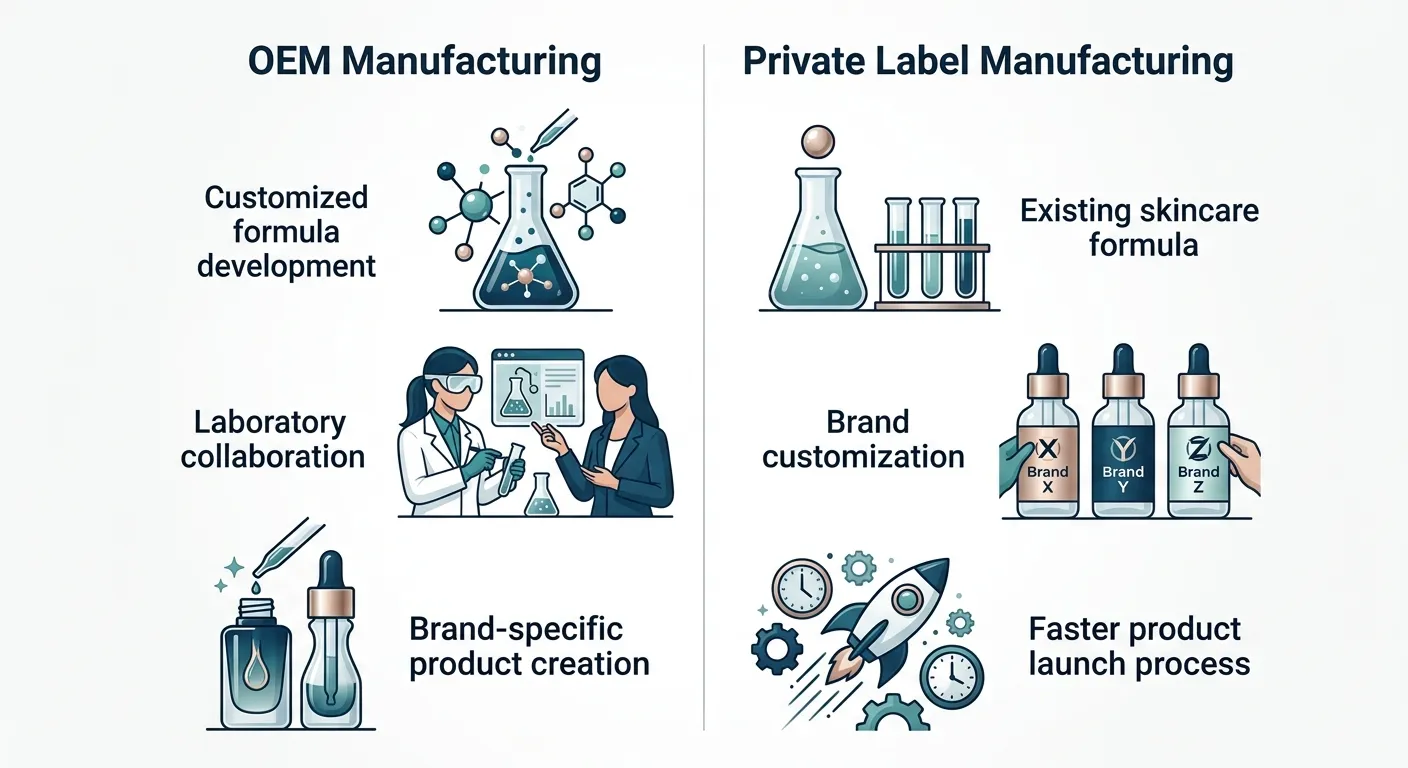
Different brands may need different manufacturing approaches.
Using an Existing PDRN Serum Formula
This approach may be suitable for brands that want:
Faster product development
Lower initial complexity
The brand can focus more on packaging, branding, and market launch.
Developing a Customized PDRN Serum Formula
A customized approach may be more suitable for brands that want:
Specific texture requirements
Unique ingredient combinations
Stronger brand identity
However, customization usually requires more communication between the brand and manufacturer to confirm feasibility, testing, and production requirements.
Steps to Develop a Private Label PDRN Serum
Developing a private label PDRN serum requires coordination between the brand and manufacturer. A structured development process helps ensure that the final product matches the brand’s positioning, customer expectations, and business goals.
Although the exact process varies between manufacturers, most projects involve several key stages:
Product planning
Formula development
Packaging confirmation
Production preparation
Quality review
Understanding these stages allows brands to make better decisions before investing in large-scale production.
Step 1: Define Your Product Concept and Target Market
Before discussing formulas with a manufacturer, brands should define what type of product they want to create.
Important questions include:
Who is the target customer?
Is the product designed for retail consumers, clinic clients, or professional skincare channels?
What price range should the product fit?
What makes the product different from existing competitors?
For example, a clinic developing a post-treatment skincare product may prioritize a professional positioning, while an online skincare brand may focus more on daily-use convenience and customer experience.
A clear product concept helps the manufacturer understand the project direction and provide more relevant recommendations.
Step 2: Select Formula Requirements
After defining the product direction, brands can work with manufacturers to determine formula requirements.
Important considerations may include:
PDRN concentration or ingredient specifications, depending on the formula design
Supporting ingredients
Texture preference
Packaging compatibility
Target product experience
Brands should avoid choosing ingredients only because they are popular.
A successful formula needs to balance:
Customer expectations
Product positioning
Manufacturing feasibility
Market requirements
The manufacturer should be able to explain how different formulation choices affect the final product.
Step 3: Review Samples and Adjust the Formula
Sample evaluation is one of the most important steps before production.
During this stage, brands can review:
Appearance
Texture
Absorption
Scent
Packaging compatibility
Overall user experience
Feedback from sample testing can help refine the product before moving to larger production quantities.
For private label products, sample review is also an opportunity to ensure that the final product matches the brand identity.
A premium skincare brand, for example, may have different expectations for texture and packaging compared with a mass-market skincare company.
Step 4: Confirm Packaging and Production Details
Packaging is not only a visual element. It also affects product protection, user experience, and brand positioning.
Brands should consider:
Bottle type
Material compatibility
Label design
Outer packaging
Product information requirements
Before production begins, buyers should confirm all specifications clearly, including:
Formula details
Packaging requirements
Product quantity
Production timeline
Clear confirmation reduces misunderstandings during manufacturing.
What Should Brands Ask a Private Label PDRN Manufacturer?
Choosing a private label manufacturer requires more than checking whether a supplier can produce a serum.
Brands should evaluate whether the manufacturer can support the complete product development process.
Can You Customize the PDRN Serum Formula?
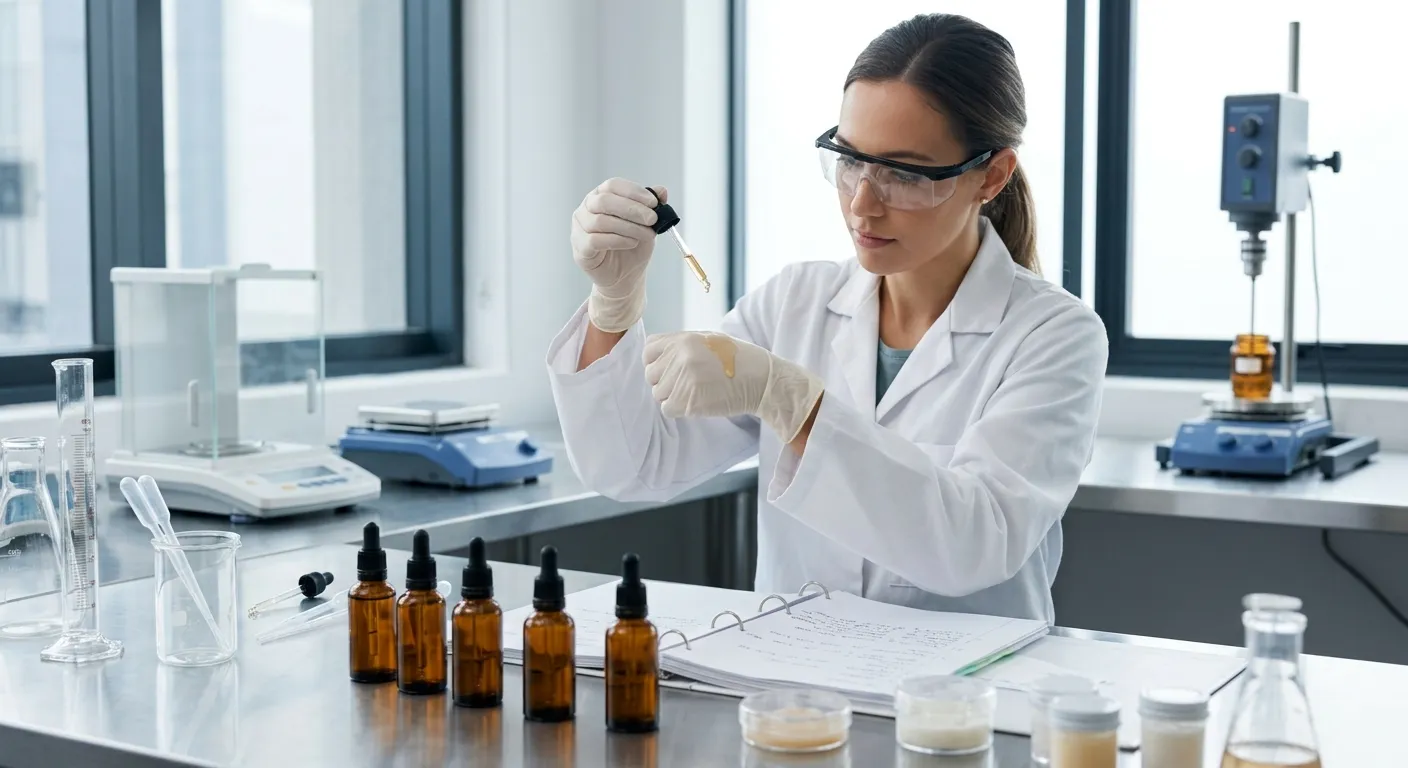
Customization capability is an important consideration for brands that want to create differentiated products.
Questions to ask include:
Can existing formulas be adjusted?
Can supporting ingredients be modified?
Can the manufacturer develop new concepts?
What customization options are available?
The available level of customization depends on the manufacturer’s development capability and production resources.
What Product Documentation Can You Provide?
Before launching a skincare product, brands should understand what documentation is available.
Depending on the product and market requirements, buyers may request:
Ingredient information
Product specifications
Quality documents
Testing information where applicable
Documentation helps brands better understand the product and prepare for distributor, retail, or market requirements.
However, buyers should always confirm what each document represents and whether it applies to the specific product.
How Do You Ensure Product Consistency?
For brands planning repeat orders, production consistency is essential.
Important questions include:
How are raw materials managed?
How are production batches controlled?
How are quality checks performed?
How are repeat orders handled?
A successful product launch depends not only on the first production batch but also on maintaining consistent quality over time.
What Are the MOQ and Production Requirements?
Minimum order quantity and production requirements can affect whether a manufacturer is suitable for a specific brand.
Before cooperation, brands should clarify:
MOQ requirements
Production capacity
Lead time expectations
Packaging availability
Understanding these factors helps brands plan inventory, budgeting, and market launch strategies.
Common Mistakes When Launching a Private Label PDRN Serum
Focusing Only on the Ingredient Trend
PDRN may attract customer attention, but the success of a skincare product depends on more than one ingredient.
Brands should also consider:
Formula quality
Product positioning
Packaging
Customer experience
Marketing strategy
A strong product requires alignment between the ingredient concept and the overall brand strategy.
Choosing a Manufacturer Without Reviewing Samples
Skipping sample evaluation can create problems after production begins.
Brands may discover issues with:
Texture
Packaging
Product experience
Market suitability
Sample review provides an opportunity to identify improvements before committing to larger quantities.
Ignoring Long-Term Supply Planning
A private label product is not only a one-time launch.
Brands should consider future needs, including:
Repeat production
Packaging consistency
Product updates
Supplier communication
A manufacturer that can support long-term cooperation is often more valuable than a supplier focused only on the initial order.
How to Build a Successful PDRN Skincare Product Line
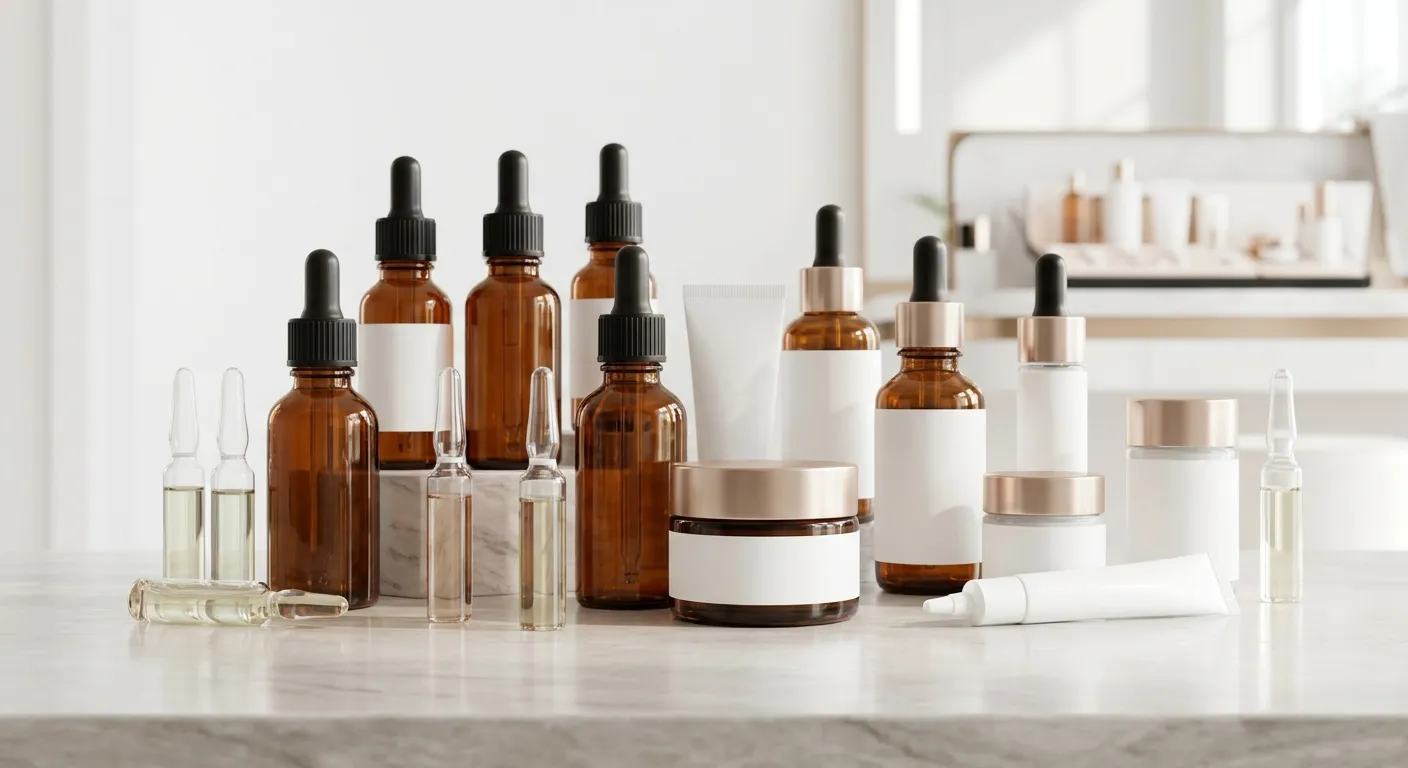
Launching a private label PDRN serum can be the first step in building a broader skincare portfolio. For brands and aesthetic clinics, a single product may attract customers, but a well-planned product line can create stronger brand positioning and improve long-term customer relationships.
The key is to develop products based on customer needs rather than simply adding multiple products around a trending ingredient.
Expanding Beyond a Single PDRN Serum
A brand does not always need a large product range at the beginning. Instead, it can gradually expand based on customer feedback and market demand.
Possible product extensions may include:
Different serum textures for different skin preferences
Complementary hydration products
Professional skincare support products
Home-care products connected with aesthetic treatments
The product strategy should remain consistent with the brand’s positioning.
For example, a clinic-focused brand may prioritize products that complement professional aesthetic services, while a retail skincare brand may focus on daily routines and customer convenience.
Creating a Complete Skincare Portfolio
A complete skincare portfolio allows brands to provide customers with a more structured product experience.
When expanding a product line, brands can consider:
How each product serves a specific customer need
How products work together within a routine
Whether the overall range supports the brand identity
A well-organized portfolio is usually more valuable than having many products without a clear purpose.
For PDRN-based skincare, brands may build around different customer interests, such as:
Hydration-focused skincare
Skin-conditioning routines
Premium anti-aging positioning
Professional aesthetic skincare concepts
How to Choose a Long-Term PDRN Manufacturing Partner
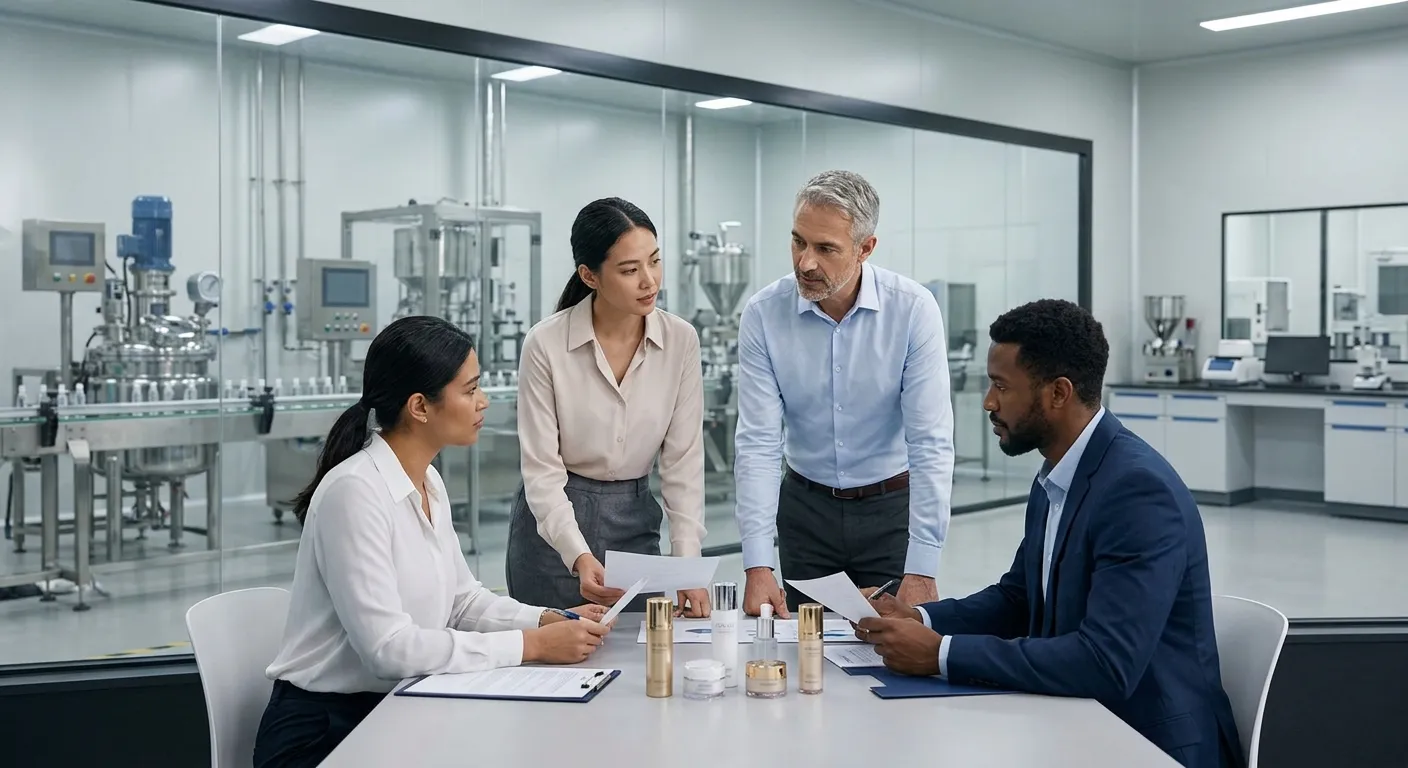
The manufacturer relationship often continues beyond the initial product launch.
For brands planning future growth, a suitable partner should be able to support:
Consistent product quality
Clear communication
Production planning
Documentation support
Future product development
A manufacturer that understands the brand’s goals can contribute more effectively throughout the product lifecycle.
Evaluate Manufacturing Capability Before Scaling
Before expanding sales, brands should confirm whether the manufacturer can support increasing demand.
Important considerations include:
Production capacity
Supply stability
Quality management
Ability to handle repeat orders
Growth can create new challenges if the supply chain is not prepared.
A supplier that works well for a small trial order may not always be the right choice for long-term expansion.
Build Clear Communication During Cooperation
Strong communication helps prevent problems during product development and production.
Brands should establish clear processes for:
Formula discussions
Sample feedback
Packaging approval
Production updates
Quality concerns
A transparent communication process makes cooperation more efficient and helps both sides understand expectations.
Frequently Asked Questions
Q1: What is a private label PDRN serum?
A: A private label PDRN serum is a skincare product manufactured by a supplier and sold under a brand’s own name. Depending on the manufacturer’s capabilities, brands may choose existing formulas or request different levels of customization.
Q2: How long does it take to develop a private label PDRN serum?
A: The development timeline depends on factors such as formula requirements, customization level, packaging selection, testing needs, and production planning. Standard products may require less development work, while customized formulas usually involve more steps.
Q3: Can skincare brands customize PDRN serum formulas?
A: Customization options depend on the manufacturer. Some suppliers can support adjustments to ingredients, texture, packaging, or product positioning, while others may only provide standard formulations.
Q4: What should brands check before choosing a PDRN serum manufacturer?
A: Brands should evaluate formulation capability, manufacturing experience, documentation availability, quality control processes, customization options, and the supplier’s ability to support long-term cooperation.
Q5: Is private label PDRN serum suitable for aesthetic clinics?
A: Private label PDRN serum can be an option for clinics that want to develop their own branded skincare products. The suitability depends on the clinic’s business model, target customers, and product positioning.
Q6: What is the difference between OEM and private label PDRN serum?
A: OEM usually involves more customized product development based on brand requirements, while private label often uses an existing formula that is branded and marketed by the buyer. The exact services available depend on the manufacturer.
Q7: What documents should brands request from a PDRN serum manufacturer?
A: Brands may request product specifications, ingredient information, quality-related documents, and applicable testing information. The required documents depend on the product type and target market.
Q8: How can brands ensure consistent quality in repeat PDRN serum orders?
A: Brands can improve consistency by choosing a manufacturer with clear production processes, quality control procedures, stable raw material management, and effective communication systems.
Q9: What factors affect private label PDRN serum costs?
A: Costs can be influenced by formula requirements, ingredients, packaging choices, order quantity, customization level, and production requirements. Each project should be evaluated based on its specific specifications.
Q10: Why should brands work with an experienced PDRN serum manufacturer?
A: An experienced manufacturer can help brands manage product development, quality control, documentation, and production processes more effectively. This can reduce challenges when launching and scaling a skincare product.
Conclusion
Developing a private label PDRN serum involves more than selecting a popular ingredient and adding a brand name.
Successful products require careful planning across formulation, positioning, manufacturing, packaging, quality control, and long-term supply management.
For skincare brands and aesthetic clinics, choosing the right manufacturing partner is a key step in turning a product idea into a reliable market offering.
Before starting a PDRN serum project, brands should clearly define their goals, evaluate supplier capabilities, review product samples, and confirm that the manufacturer can support future growth.
Frequently Asked Questions
Q1: What is a private label PDRN serum?
A: A private label PDRN serum is a skincare product manufactured by a supplier and sold under a brand’s own name. Depending on the manufacturer’s capabilities, brands may choose existing formulas or request different levels of customization.
Q2: How long does it take to develop a private label PDRN serum?
A: The development timeline depends on factors such as formula requirements, customization level, packaging selection, testing needs, and production planning. Standard products may require less development work, while customized formulas usually involve more steps.
Q3: Can skincare brands customize PDRN serum formulas?
A: Customization options depend on the manufacturer. Some suppliers can support adjustments to ingredients, texture, packaging, or product positioning, while others may only provide standard formulations.
Q4: What should brands check before choosing a PDRN serum manufacturer?
A: Brands should evaluate formulation capability, manufacturing experience, documentation availability, quality control processes, customization options, and the supplier’s ability to support long-term cooperation.
Q5: Is private label PDRN serum suitable for aesthetic clinics?
A: Private label PDRN serum can be an option for clinics that want to develop their own branded skincare products. The suitability depends on the clinic’s business model, target customers, and product positioning.
Q6: What is the difference between OEM and private label PDRN serum?
A: OEM usually involves more customized product development based on brand requirements, while private label often uses an existing formula that is branded and marketed by the buyer. The exact services available depend on the manufacturer.
Q7: What documents should brands request from a PDRN serum manufacturer?
A: Brands may request product specifications, ingredient information, quality-related documents, and applicable testing information. The required documents depend on the product type and target market.
Q8: How can brands ensure consistent quality in repeat PDRN serum orders?
A: Brands can improve consistency by choosing a manufacturer with clear production processes, quality control procedures, stable raw material management, and effective communication systems.
Q9: What factors affect private label PDRN serum costs?
A: Costs can be influenced by formula requirements, ingredients, packaging choices, order quantity, customization level, and production requirements. Each project should be evaluated based on its specific specifications.
Q10: Why should brands work with an experienced PDRN serum manufacturer?
A: An experienced manufacturer can help brands manage product development, quality control, documentation, and production processes more effectively. This can reduce challenges when launching and scaling a skincare product.
Other Blogs