Blog
How to Choose the Right PDRN Supplier for Your Aesthetic Brand or Clinic
Author
Ray
Published
Category
Design & Inspiration
How to choose the right PDRN supplier for your aesthetic clinic or brand. Learn what to evaluate, including ingredient sourcing, quality control, documentation, OEM options, and supplier reliability.


Author
Ray
An esteemed medical aesthetics expert with 40 years of profound experience in the field. With decades of expertise in non-invasive procedures, anti-aging science, and advanced dermatological solutions, the author is dedicated to sharing insights that connect clinical innovation with real-world patient results. Passionate about advancing safe, effective, and high-impact aesthetic treatments for a global clientele.
What’s better than insider perks, pro tips, and surprises?
Sign up to get the most recent blog articles in your email every week.
Join now.
Our company’s main product lines include HA (Hyaluronic Acid) fillers, CaHA (Calcium Hydroxylapatite) fillers, PLLA (Poly-L-Lactic Acid) biostimulators, and other advanced aesthetic solutions, all developed and manufactured by trusted partner facilities with whom we have maintained long-term, stable collaborations.
I help them with sales and export operations, while our company also provides sourcing and procurement services in China to help international clients solve supply-related challenges. If you need assistance with procurement, please feel free to contact us.
Introduction
The growing popularity of PDRN-based aesthetic treatments has created new opportunities for clinics, distributors, and skincare brands looking to expand their regenerative product portfolios. However, choosing a PDRN supplier is not simply a matter of finding a product that contains a trending ingredient. The supplier behind the product plays a critical role in determining formulation quality, documentation reliability, production consistency, and long-term business potential.
For clinics, an unreliable supplier can create problems beyond product quality. Missing documentation, inconsistent batches, unclear ingredient sourcing, or unstable supply chains can affect treatment confidence and customer satisfaction. For brands developing their own PDRN products, supplier selection becomes even more important because manufacturing capability, customization options, and compliance support directly influence the success of the final product.
As more companies enter the regenerative skincare market, buyers need a structured way to evaluate suppliers rather than relying only on price, marketing claims, or product popularity. Understanding what separates a professional PDRN supplier from a simple reseller helps clinics and brands make better purchasing decisions and build a more reliable product strategy.
Why Choosing the Right PDRN Supplier Matters
PDRN has become one of the most discussed ingredients in regenerative aesthetics because of its association with skin repair and rejuvenation. However, the ingredient itself is only one part of the final product.
A high-quality PDRN serum or professional treatment product depends on multiple factors, including raw material sourcing, formulation development, manufacturing processes, quality control systems, and storage conditions.
For buyers, this means two products labeled as “PDRN” may not offer the same level of reliability. Differences in ingredient origin, concentration, supporting ingredients, production standards, and documentation can significantly affect how a product is positioned and used.
The Difference Between a Product Seller and a Reliable Supplier
Not every company selling PDRN products operates at the same level. Some suppliers focus primarily on selling existing products, while others provide deeper support throughout the product lifecycle.
A reliable PDRN supplier should be able to provide more than a product catalog. They should demonstrate:
Clear information about ingredient sourcing
Consistent manufacturing processes
Stable production capacity
Professional communication and technical support
This distinction becomes especially important for clinics and brands that plan to use PDRN products as part of a long-term offering.
A seller may focus mainly on completing individual transactions, while a reliable supplier works as a long-term partner by helping buyers understand product specifications, regulatory requirements, and future product development opportunities.
For example, a clinic introducing a new PDRN treatment may need support with product information, usage guidelines, and supply planning. A brand launching a private label PDRN serum may require assistance with formulation adjustments, packaging, and production timelines.
The right supplier should be capable of supporting these needs rather than simply delivering boxes of products.
Why PDRN Quality Depends on More Than the Ingredient
One of the most common mistakes when sourcing PDRN products is assuming that the ingredient name alone determines quality.
While PDRN is the key active component, the overall performance of a product is influenced by the complete formulation.
Important factors include:
The source and quality of PDRN raw materials
Supporting ingredients included in the formula
Product stability and shelf-life management
Quality control during production
For example, two PDRN serums may both contain salmon-derived PDRN but differ significantly in texture, absorption, compatibility with professional treatments, and intended application.
A supplier with strong formulation knowledge can explain why certain ingredients are included and how the final product is designed for specific customer needs.
This is particularly valuable for aesthetic brands because product positioning depends not only on having PDRN in the formula but also on creating a product that solves a clear market need.
What to Evaluate When Selecting a PDRN Supplier
Before placing an order, clinics and brands should evaluate suppliers based on several key areas. A professional sourcing process should look beyond promotional materials and focus on measurable indicators of reliability.
PDRN Source and Ingredient Transparency
The first step in supplier evaluation is understanding where the PDRN ingredient comes from and how the supplier manages ingredient information.
A trustworthy supplier should be able to explain:
The origin of the PDRN ingredient
Ingredient specifications
Formulation details
Available technical documents
Ingredient transparency is important because PDRN has become a popular marketing term, and products using the name may differ greatly in formulation quality.
For professional buyers, vague descriptions such as “premium PDRN technology” without supporting documentation should be treated carefully. A supplier should be able to provide clear information that allows buyers to understand what they are purchasing.
Manufacturing Standards and Quality Control
Manufacturing capability is another critical factor when choosing a PDRN supplier.
A professional manufacturer should have established quality management processes covering:
Raw material inspection
Production control
Batch testing
Finished product evaluation
Consistent quality is especially important for clinics and distributors because customer expectations depend on receiving the same product performance from one batch to another.
For brands considering private label products, manufacturing standards become even more important. The supplier is not only producing the product but also representing the foundation of the brand’s reputation.
A strong manufacturing partner should be able to demonstrate production experience, quality procedures, and the ability to maintain consistency as order volumes increase.
Product Documentation and Regulatory Support
Documentation is often overlooked during supplier selection, but it becomes essential when products enter different markets.
Depending on the product category and target region, buyers may need access to documents such as:
Product specifications
Ingredient lists
Manufacturing information
Quality certificates
Safety-related documents
A supplier that understands international business requirements can help reduce delays and compliance challenges.
For clinics purchasing products locally, documentation helps verify product reliability. For distributors and brands importing products, documentation is a necessary part of building a sustainable supply chain.
A supplier that avoids detailed questions about documentation may create problems later, especially when buyers need to expand into new markets or meet regulatory expectations.
Comparing Different Types of PDRN Suppliers
When sourcing PDRN products, buyers often encounter different types of suppliers, including manufacturers, distributors, and trading companies. Although these businesses may appear similar from the outside, their capabilities, pricing structures, and levels of support can be very different.
Choosing the right type of supplier depends on the buyer’s goals. A small aesthetic clinic looking for ready-to-use products may have different requirements compared with a skincare brand developing a private label PDRN line.
Understanding these differences helps buyers avoid choosing a supplier that does not match their business needs.
PDRN Manufacturer vs Distributor vs Trading Company
A PDRN manufacturer produces the product directly and usually has the strongest control over formulation, production processes, and quality management.
Working directly with a manufacturer may provide advantages such as:
Better visibility into production processes
More customization opportunities
Direct communication with technical teams
Greater flexibility for OEM or private label projects
However, manufacturers may also have higher minimum order requirements because production is usually designed around larger-scale orders.
A distributor typically purchases products from manufacturers and supplies them to clinics, retailers, or smaller businesses. Distributors can be useful for buyers who need:
Smaller order quantities
Faster regional supply
Existing product lines
Local customer support
The trade-off is that buyers may have less visibility into the original manufacturing process.
A trading company usually focuses on connecting buyers with available products from different suppliers. While some trading companies provide valuable sourcing support, buyers should carefully evaluate how much technical knowledge and quality control they actually provide.
For professional aesthetic businesses, the most suitable supplier is not always the cheapest option. The right choice depends on whether the priority is customization, convenience, product availability, or long-term partnership.
When Clinics Should Work With Manufacturers Directly
For clinics purchasing established PDRN products for treatment use, working with a distributor may be practical, especially when smaller quantities and faster delivery are priorities.
However, clinics or brands with larger growth plans may benefit from building a direct relationship with a manufacturer.
Direct manufacturer partnerships are particularly valuable when buyers want to:
Develop exclusive PDRN formulations
Customize packaging and branding
Expand into multiple markets
Build a long-term product portfolio
A direct relationship also allows buyers to better understand production capabilities and future development options.
For example, a clinic that initially introduces a single PDRN serum may later want to expand into related products such as PDRN ampoules, skin boosters, or regenerative skincare lines. A manufacturer with strong development capabilities can support this expansion more effectively than a simple reseller.
Key Questions to Ask Before Buying PDRN Products
Before selecting a supplier, buyers should prepare specific questions rather than relying only on product presentations or marketing materials.
A professional evaluation process helps identify suppliers that can provide consistent quality and reliable long-term support.
Questions About Product Quality and Formulation
Important product-related questions include:
What is the source of the PDRN ingredient?
What type of PDRN formulation is available?
Can you provide complete ingredient information?
How is product quality tested between batches?
These questions help buyers understand whether the supplier has genuine product knowledge or is simply selling based on market demand.
A reliable supplier should be able to explain the product clearly, including its intended use, formulation characteristics, and quality control process.
Questions About Production Capability and Supply Stability
Long-term supply reliability is especially important for clinics, distributors, and brands building a customer base.
Buyers should ask:
What is the monthly production capacity?
What is the standard lead time?
How are repeat orders managed?
Can production scale with increasing demand?
How are quality issues handled?
A supplier may provide an excellent first order but struggle to maintain consistency as demand grows. Evaluating production capability early can help prevent future supply problems.
Private Label and OEM Opportunities for PDRN Products
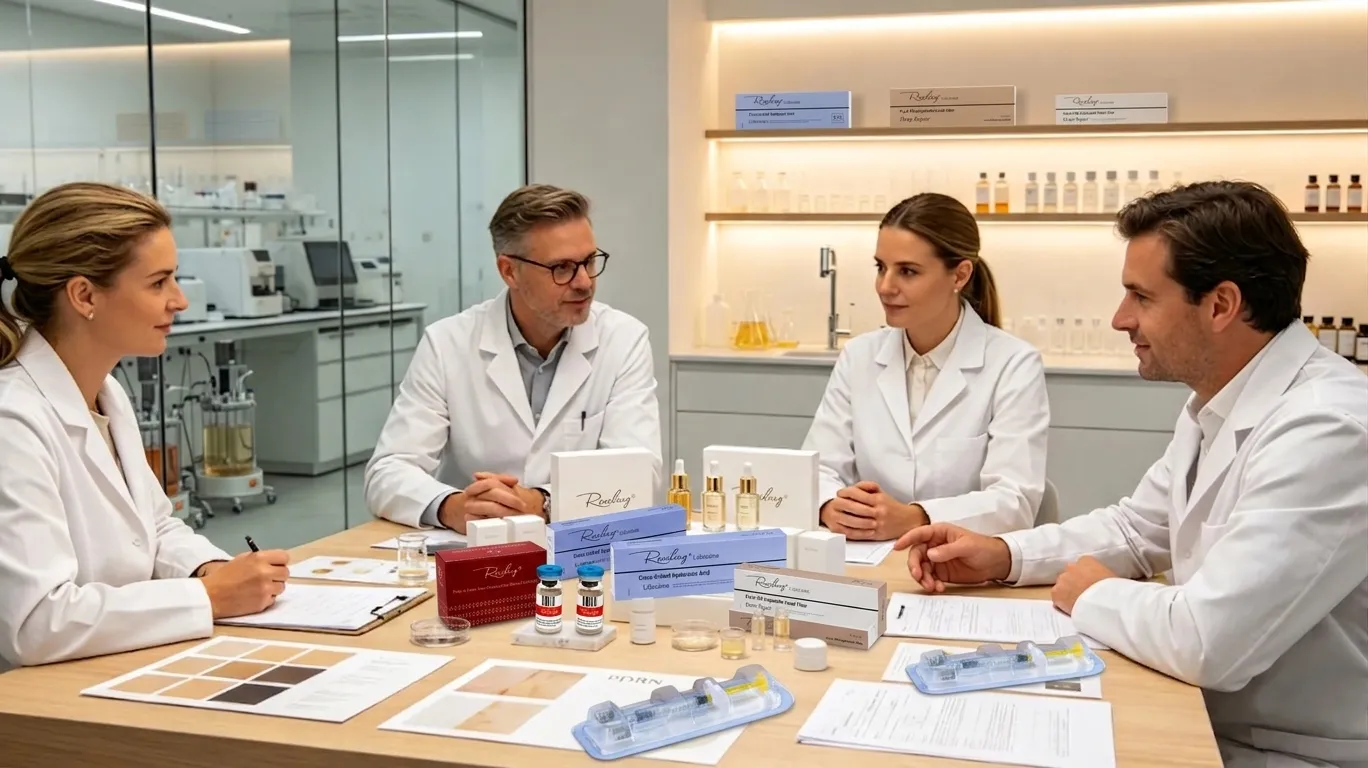
The increasing demand for regenerative skincare has encouraged many companies to explore private label and OEM PDRN products.
For brands, this approach allows them to create a product line with their own positioning rather than competing only with existing products in the market.
However, successful private label development requires more than adding a logo to existing packaging.
Custom Formulation and Product Positioning
A strong OEM partnership begins with defining the purpose of the product.
Brands should consider:
Who the target customers are
Whether the product is designed for clinics or consumers
How it differs from competing products
A supplier with formulation expertise can help adjust factors such as:
Texture
Supporting ingredients
Product format
Packaging requirements
Market positioning
For example, a professional clinic-focused PDRN product may emphasize treatment compatibility and technical documentation, while a consumer skincare product may focus more on daily usability and brand experience.
Packaging, MOQ, and Production Requirements
Before starting an OEM project, buyers should understand practical production requirements.
Important considerations include:
Development timeline
Packaging options
Label requirements
Production testing procedures
A supplier with experience in international markets can help buyers avoid common mistakes related to packaging compliance, product information, and production planning.
The best OEM relationships are built around cooperation rather than simply manufacturing a product. The supplier should understand the brand’s goals and provide realistic guidance throughout the development process.
Common Mistakes When Sourcing PDRN Products
Many sourcing problems happen because buyers focus too heavily on short-term factors and overlook long-term reliability.
Choosing Suppliers Based Only on Price
Price is an important factor, but it should not be the only decision criteria.
A lower-priced PDRN product may involve compromises in areas such as:
Documentation quality
Customer support
Supply reliability
For professional aesthetic businesses, the cost of dealing with inconsistent quality or delayed shipments can quickly exceed the initial savings.
A better approach is to evaluate the overall supplier value, including product quality, communication, and long-term support.
Ignoring Documentation and Long-Term Support
Some buyers focus only on receiving the first shipment and do not consider what happens afterward.
A reliable supplier should support buyers with:
Product updates
Repeat ordering
Quality communication
Market expansion needs
This becomes increasingly important as clinics and brands grow. A supplier that works well for a small trial order may not always be suitable for a long-term business relationship.
Building a Long-Term PDRN Product Strategy
The strongest opportunities in the PDRN market come from building a complete product strategy rather than selling a single trending item.
Expanding From a Single Product to a Treatment Portfolio
For clinics, PDRN can become part of a broader regenerative skincare offering.
Instead of positioning one product as a standalone solution, businesses can consider how it fits alongside:
Skin boosters
HA-based treatments
Peptide formulations
Other regenerative skincare products
A complete portfolio allows clinics to recommend solutions based on different client needs rather than relying on one popular ingredient.
Creating Sustainable Growth With the Right Supplier Partnership
A reliable PDRN supplier should support business growth, not simply complete individual orders.
The ideal partnership includes:
Consistent product quality
Transparent communication
Technical support
Flexible development options
Long-term cooperation
As the aesthetic market becomes more competitive, brands and clinics that build strong supplier relationships are better positioned to respond to changing customer demand.
Choosing a PDRN supplier is therefore not only a purchasing decision. It is a strategic decision that influences product quality, brand reputation, and future growth potential.
Conclusion
Choosing the right PDRN supplier requires looking beyond the popularity of the ingredient itself. A successful product strategy depends on supplier transparency, manufacturing capability, documentation support, and the ability to maintain consistent quality over time.
For clinics, distributors, and aesthetic brands, the best supplier is not simply the one offering the lowest price. It is the partner that understands the product, supports business development, and can provide reliable solutions as market demand grows.
As PDRN continues to expand within regenerative aesthetics, companies that carefully evaluate suppliers will be better prepared to build trusted treatment programs and sustainable product lines.
Frequently Asked Questions
Q1: How do I choose a reliable PDRN supplier?
A reliable PDRN supplier should provide clear information about ingredient sourcing, manufacturing standards, product documentation, and quality control processes. Buyers should evaluate long-term support rather than focusing only on product price.
Q2: What documents should a PDRN supplier provide?
Depending on the product and market, suppliers may provide documents such as ingredient information, certificates of analysis, product specifications, manufacturing details, and quality-related certifications.
Q3: What is the difference between a PDRN manufacturer and distributor?
A manufacturer produces the product directly and usually provides more customization options, while a distributor resells products and may offer easier access with lower order requirements.
Q4: Can clinics create private label PDRN products?
Yes. Clinics and brands can work with qualified manufacturers to develop private label PDRN products, including customized formulations, packaging, and branding options.
Q5: What should I consider before importing PDRN products?
Buyers should evaluate supplier reliability, product documentation, regulatory requirements, shipping considerations, and long-term supply capability before importing PDRN products.
Other Blogs